
Forestry Bill to Regulate Compensation Sanctions for Corporations Causing Forest Fires
-
News
-
3 minutes ago
This article was translated by AI. Read the original article on Kompas.com. See Original
JAKARTA, KOMPAS.com - The draft of the Asset Seizure Bill has faced complaints for being elusive, with its digital document only appearing on the official DPR website after it was enacted into law. If that is so, how does that uphold the principle of transparency in the law-making process?
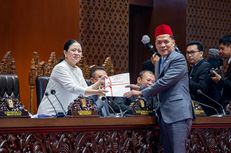
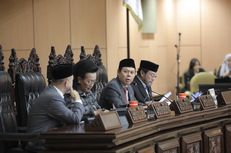
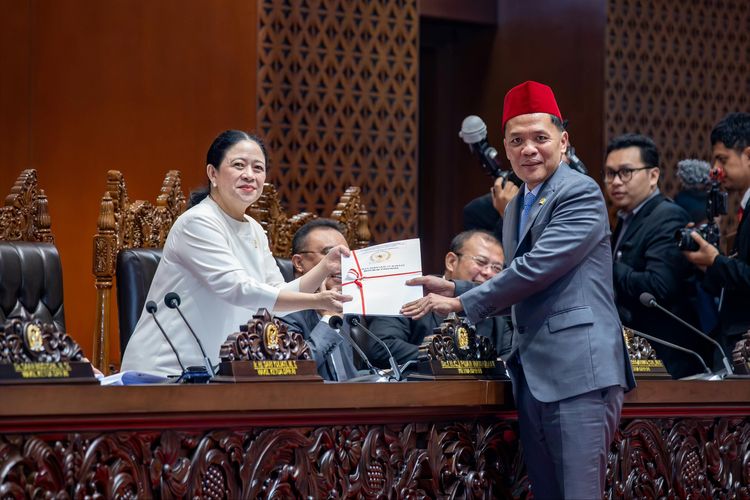
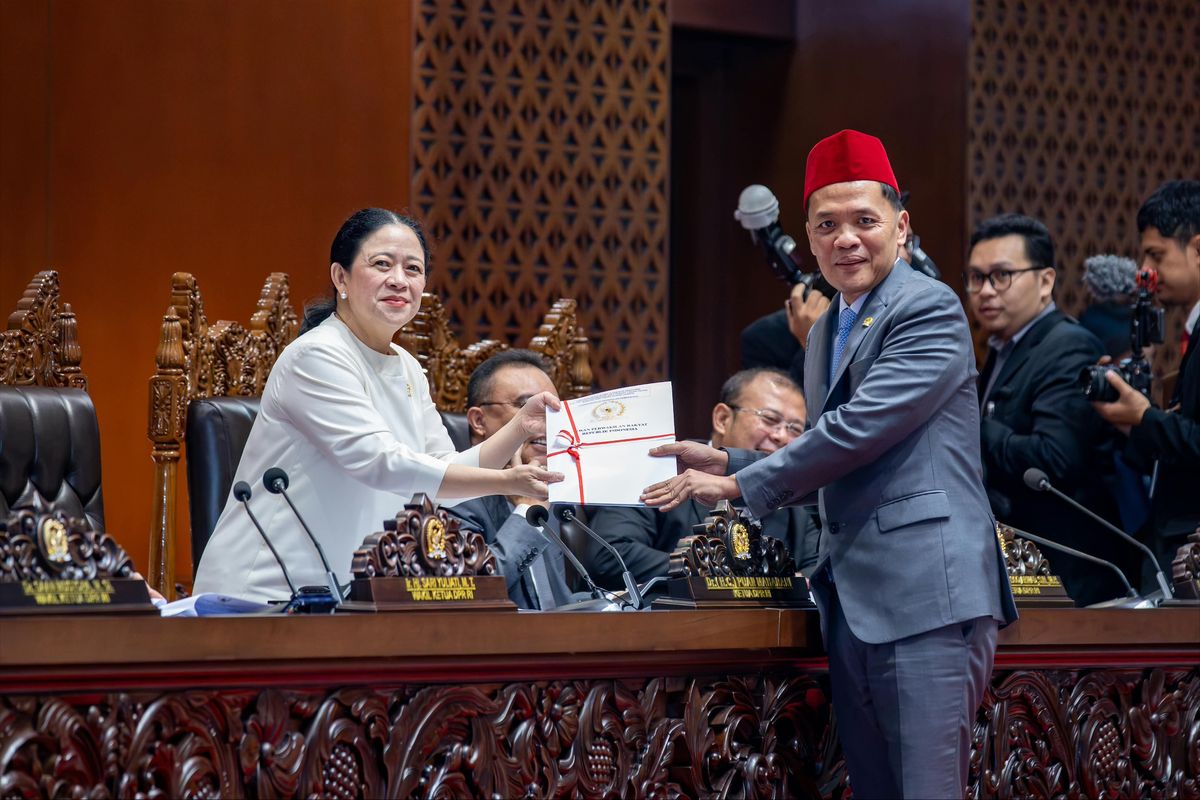
The Asset Seizure Bill was officially passed by DPR Chair Puan Maharani during a plenary session on Thursday (19/11/2026) around 10:30 AM WIB.
Half an hour later, Kompas.com attempted to access the official DPR website but could not find the draft of the bill, although DPR Commission III Chair Habiburokhman stated that the draft had already been uploaded.
Only shortly thereafter was the document for the now-legislated law made accessible to the public through the session document menu.
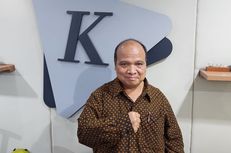
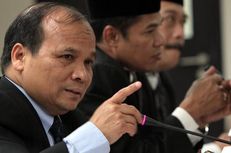
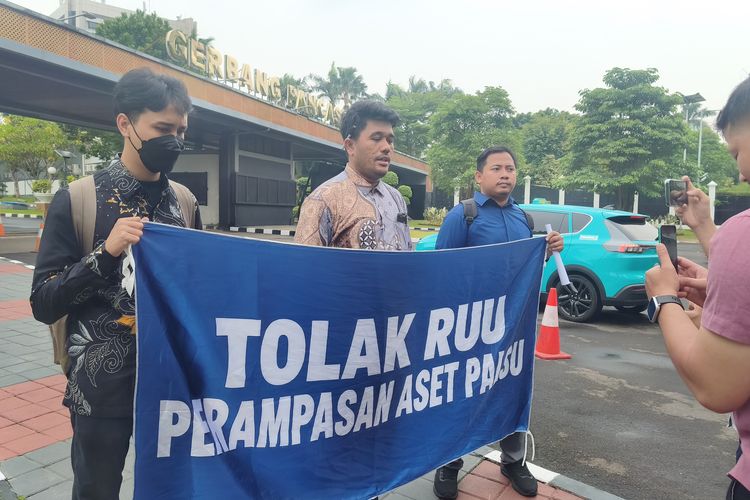
Agus Sarwono, a researcher from Transparency International Indonesia (TII), expressed disappointment over the discussion surrounding the Asset Seizure Bill, which he believes lacked orderly transparency regarding the draft's public disclosure.
According to Agus, openness should be a vital aspect of the regulatory discussions.
This is especially important since the Asset Seizure Bill grants significant authority to the state to confiscate assets derived from criminal activities.
"It's difficult to accept the logic that a regulation providing significant powers to the state to seize criminal assets could be discussed without adequate public access to its latest draft," Agus stated when contacted by Kompas.com, Wednesday (17/11/2026).
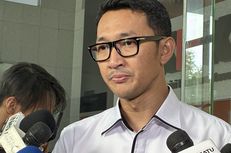
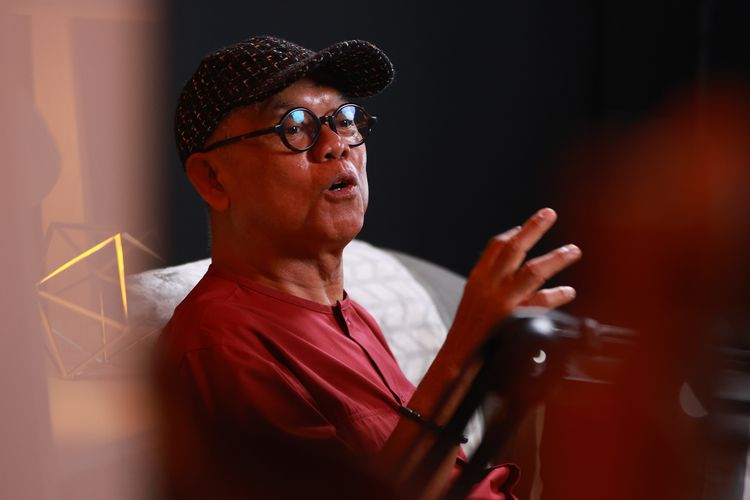
 Transparency International Indonesia (TII) researcher Agus Sarwono encountered in Cikini, Central Jakarta, Sunday (14/7/2024).
Agus emphasized that the expedited discussion of the Asset Seizure Bill should not result in a formal approval without sufficient public oversight.
He argued that civil society and academics need the opportunity to review all provisions in the bill's draft.
Key areas of concern include provisions on evidentiary standards, the protection of third-party rights in good faith, management mechanisms for seized assets, and oversight of authorities' powers.
"Have the provisions on evidence, protection of good faith third-party rights, asset management mechanisms, and authority oversight been adequately addressed?" he remarked.
Agus believes that substantive transparency is a crucial requirement to ensure that the Asset Seizure Bill does not leave room for future abuse of power.
He posited that the success of this law’s formation should not only be measured by the speed of its approval.
"The success metric should not be just how quickly this bill is passed, but how effectively it can close off impunity for corrupt actors, recover seized state assets, and build public trust that the legislative process is conducted transparently, accountably, and in favor of anti-corruption interests," Agus concluded.
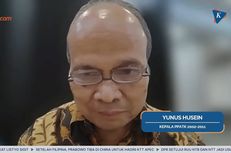
Criticism was also voiced by Yunus Husein, the former head of the Financial Transaction Reports and Analysis Center (PPATK) from 2002 to 2011.
Yunus, one of the initiators of the Asset Seizure Bill, stated that the discussion process has yet to reflect meaningful public participation.
He revealed that PPATK, an institution interested in asset seizure regulations, was never invited by the DPR to discuss the bill.
Despite having met with the Chair of the Legislative Body (Baleg) DPR Bob Hasan, who promised to invite him to discussions, he shared, "I remember PPATK was never invited by the DPR. I met the chairman of Baleg, Bob Hasan, and he said, 'I'll invite you later.' To this day I have not been invited," Yunus remarked in an interview with Kompas.com, Thursday.