
Restore the Spirit of Campus Democracy
-
News
-
Just now
Writer
This article was translated by AI. Read the original article on Kompas.com. See Original
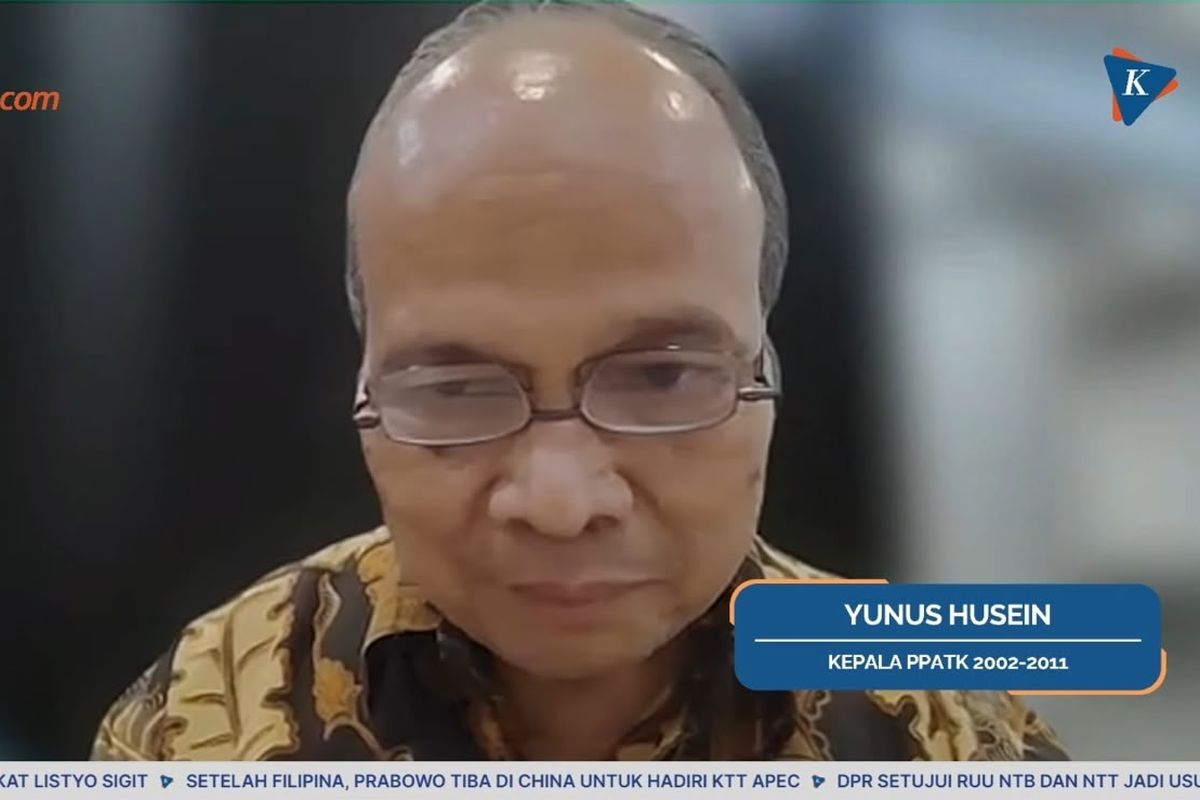
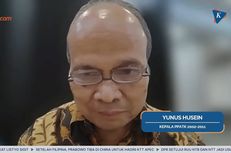
JAKARTA, KOMPAS.com - Former Head of the Financial Transaction Reporting and Analysis Center (PPATK), Yunus Husein, welcomed the enactment of the Law on Asset Forfeiture Related to Corruption and Other Criminal Offenses.
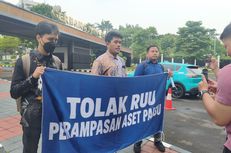
However, he expressed disappointment over its content, stating that the passage of the Asset Forfeiture Law is perceived merely as a political commodity.
"Even though it has been enacted, which we welcome, its content is still disappointing. It is disappointing. They consider this more as a political commodity to gain public favor. Meanwhile, the substance does not address the core issues effectively," Yunus said during a discussion on Kompas.com’s Newsroom (ONR) on Thursday (19/11/2026), cited on Friday (20/11/2026).
One of his criticisms is that asset forfeiture is only targeted at seven specific types of crimes, namely corruption; narcotics and psychotropic substances; terrorism and terrorist financing; human trafficking; arms trafficking, ammunition, and hazardous materials; trafficking in persons (TPPO); and fraud and/or embezzlement using information technology that impacts the broader community.
Yunus emphasized that there are numerous types of crimes, highlighting the omission of the crime of money laundering (TPPU).
"So this (Asset Forfeiture Law) is very limited in its capacity. In fact, there are other significant crimes, such as environmental fraud or forestry violations," Yunus said.
"There are many crimes outside that list that should be addressed by pursuing their assets. As it stands, this isn’t optimal; it's more about safeguarding themselves, perhaps," the first head of PPATK added.
In addition, he pointed out the lack of meaningful participation in the discussions surrounding the Asset Forfeiture Bill.
He even revealed that the PPATK was never invited to participate in the drafting of the Asset Forfeiture Bill.
"I was worried from the start that meaningful participation was not carried out effectively. To my recollection, PPATK was never invited by the House of Representatives. I once met with the Chairman of the Legislation Body, Bob Hasan, who said he would invite me, but to this day, there has been no invitation. PPATK has also resigned to whatever the House decides," Yunus lamented.
It is known that the House of Representatives officially passed the Draft Law on Asset Forfeiture Related to Corruption and Other Criminal Offenses into law on Thursday (19/11/2026).
Several scopes addressed in the Asset Forfeiture Bill include fraud and trafficking offenses.
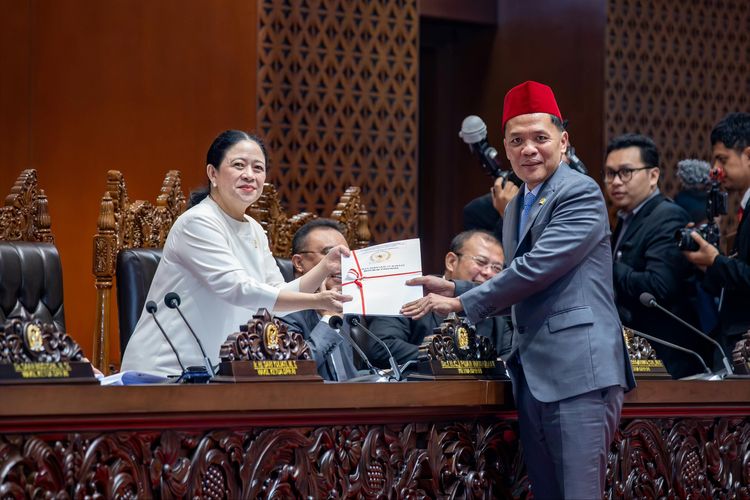 The passage of the Asset Forfeiture Law by Puan Maharani and Habiburokhman during the 13th plenary meeting of the Indonesian House of Representatives for the 2026-2027 legislative session held at the House Building.
Furthermore, this Bill also establishes the division of authorities in asset forfeiture enforcement, protection for good-faith parties, restitution of assets to victims, supervision mechanisms, prevention of abuse of power, and the application of technology.
The main points regulated include: