Asset Seizure Law Text Revealed After Enactment, Transparency Process Highlighted
-
News
-
10 minutes ago
Writer
This article was translated by AI. Read the original article on Kompas.com. See Original
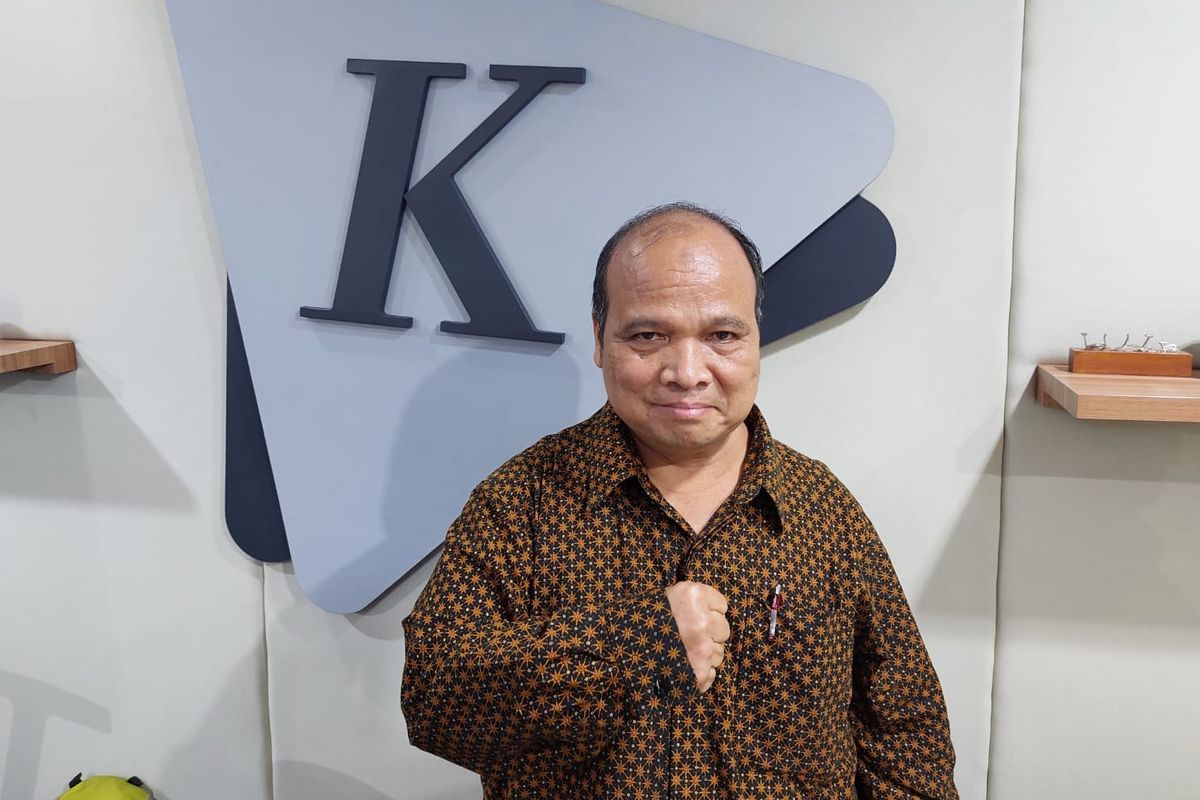
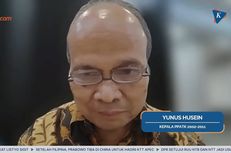
JAKARTA, KOMPAS.com - Former Head of the Financial Transaction Reports and Analysis Center (PPATK), Yunus Husein, criticized the treatment of money laundering offenses (TPPU) in the Asset Forfeiture Law related to Corruption and Other Crimes.
He pointed out that TPPU is a crime that must be traced and recovered without merely considering the size of its value.
"Dirty money is dirty money. Whatever the amount," Yunus stated during the Newsroom Chat (ONR) of Kompas.com on Thursday (19/11/2026), as quoted on Friday (20/11/2026).
He highlighted that the asset forfeiture law currently applies only to seven types of crimes: corruption; narcotics and psychotropic substances; terrorism and terrorist financing; human trafficking; arms smuggling; human trafficking (TPPO); and fraud or embezzlement using information technology that affects the wider community.
"TPPU has been excluded. It’s interesting when someone commits a drug-related crime or corruption; if they launder money, that money cannot be pursued under this (Asset Forfeiture) law," Yunus asserted.
Additionally, he criticized the minimum asset value threshold for tracing and forfeiting assets, which is set at IDR 1 billion.
According to Yunus, this figure is too high and risks leaving assets derived from crimes valued below this threshold untouched.
He added that the initial proposal for the asset value threshold was much lower, at IDR 100 million.
Yunus believes that the IDR 1 billion limit could narrow the scope of the Asset Forfeiture Law in recovering the proceeds of crime.
Beyond the asset value threshold, Yunus also pointed out the approach of the "list of crimes" used in the law.
He argued that the types of crimes in criminal law are much more numerous and do not all directly relate to corruption.
"So the capability is very, very limited. There are many crimes outside this list that need to be eradicated by pursuing their assets. If it continues like this, it’s not maximal, it’s half-hearted," Yunus remarked.
The Asset Forfeiture Law regulates seven types of crimes eligible for asset forfeiture by the state, as stated in Article 4, paragraph (3) of the Asset Forfeiture Law.
The seven offenses are:
Article 4, paragraph (1) states that asset forfeiture related to corruption offenses can be conducted with or without a criminal conviction of the offender.
"Asset forfeiture based on or without a criminal conviction of the perpetrators of the crimes referred to in Article 3 is carried out against corruption offenses," reads Article 4, paragraph (1) of the Asset Forfeiture Law.
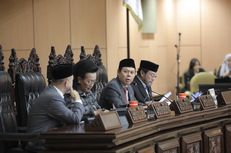
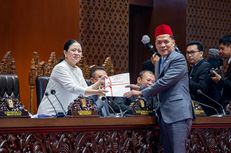
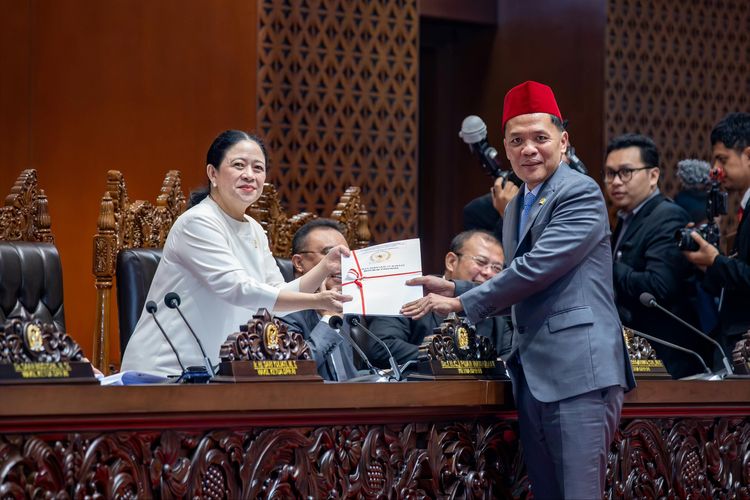 The ratification of the Asset Forfeiture Law by Puan Maharani and Habiburokhman during the 13th Plenary Session of the Indonesian House of Representatives for the 2026-2027 Legislative Period held at the DPR Building.
The Asset Forfeiture Law also stipulates non-conviction based asset forfeiture (NCB) or asset forfeiture without a criminal verdict.
Article 6, paragraph (1) of the Asset Forfeiture Law explains that asset forfeiture without a criminal verdict is applied to:
"Asset forfeiture without a criminal conviction against the perpetrators of crimes, in addition to fulfilling the criteria referred to in paragraph (1), must also meet the criteria of assets valued at least IDR 1,000,000,000.00 (one billion rupiah)," reads Article 6, paragraph (2) of the Asset Forfeiture Law.
"Asset forfeiture without a criminal conviction regarding the perpetrators of crimes as referred to in Article 3 letter b does not eliminate criminal liability against the perpetrator," reads Article 7 of the Asset Forfeiture Law.