
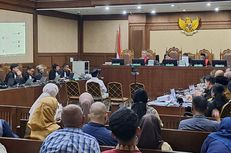
Hajj Quota Trial: Gus Alex Acknowledges No Reprimands on DPR Money Requests
-
News
-
3 minutes ago
This article was translated by AI. Read the original article on Kompas.com. See Original
THERE IS something odd about how we penalize unconstitutional laws.
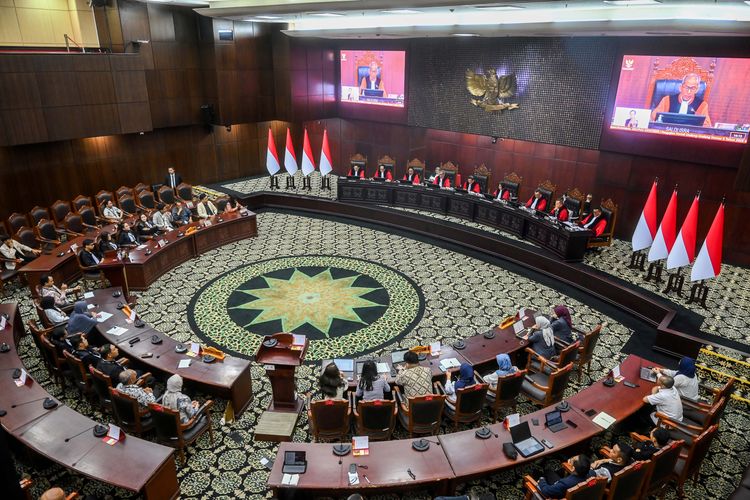
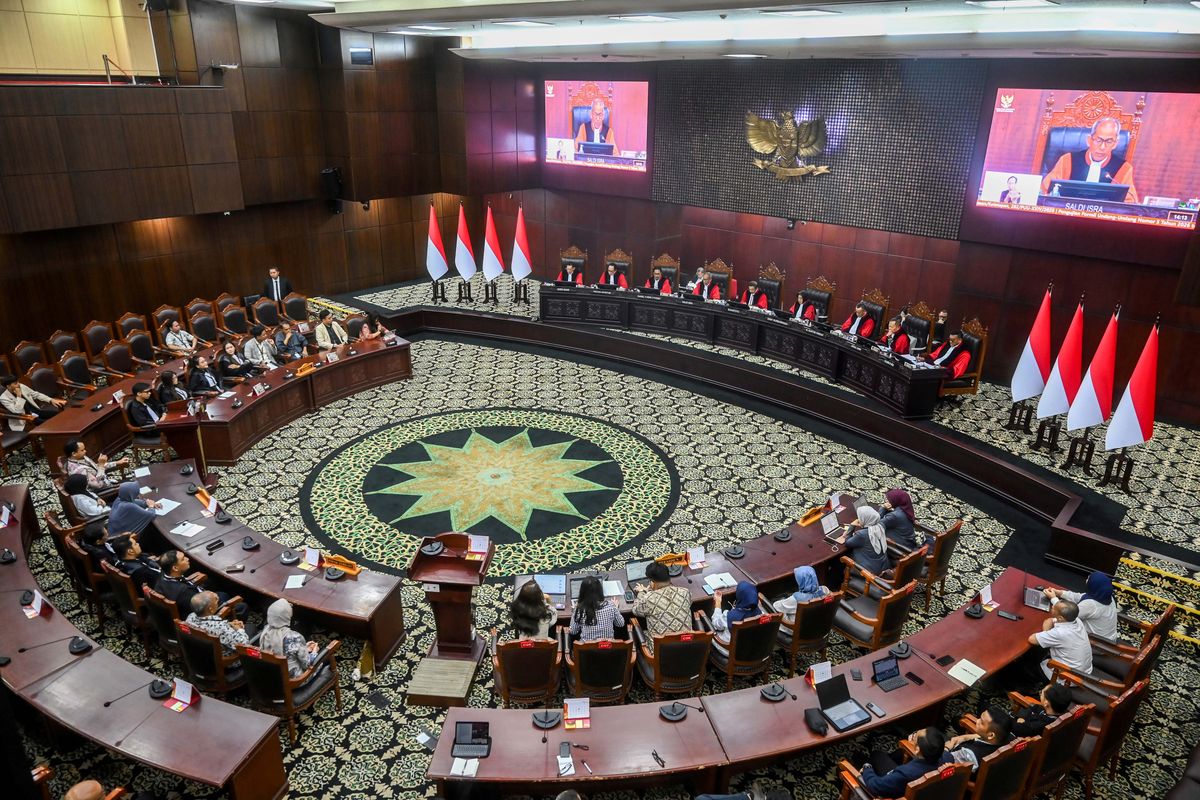
When the Constitutional Court (MK) declares a law in violation of the Constitution, we focus on punishing the product by annulment, rendering it without binding legal power, or requiring revisions.
But what about the entities that politically pushed for the law's enactment?
This question becomes important when we examine data from the MK.
The MK's official website records 2,689 registered law testing applications, with 400 of them granted.
This means there are hundreds of legislations ultimately deemed constitutionally problematic.
However, after a law is declared unconstitutional, our accountability appears to stop at the product.
We rarely, if ever, ask who should be held responsible for the political decisions that birthed that product?
After all, laws do not simply come into existence on their own; they arise from political decisions.
In the Indonesian political system, decisions in the DPR do not solely reflect the aggregation of individual DPR members' wills.
Political parties, factions, organizational policies, and political decisions guide how a DPR member behaves when a bill is decided.
Therefore, if a political party officially instructs its members to support a specific law, and that law is later declared unconstitutional, the question that should arise is not just whether the law is unconstitutional, but also whether the politically organized party that pushed for its formation can be held legally accountable.
Unfortunately, we cannot find a single article in relevant legislation that explicitly punishes parties urging DPR members to agree to unconstitutional laws.
Nonetheless, one article that could at least implicitly be used to punish such parties pertains to the dissolution of political parties.
Article 24C paragraph (1) of the 1945 Constitution of the Republic of Indonesia grants the MK the authority to decide on the dissolution of political parties.