
Hajj Quota Trial: Gus Alex Acknowledges No Reprimands on DPR Money Requests
-
News
-
3 minutes ago
Writer
This article was translated by AI. Read the original article on Kompas.com. See Original
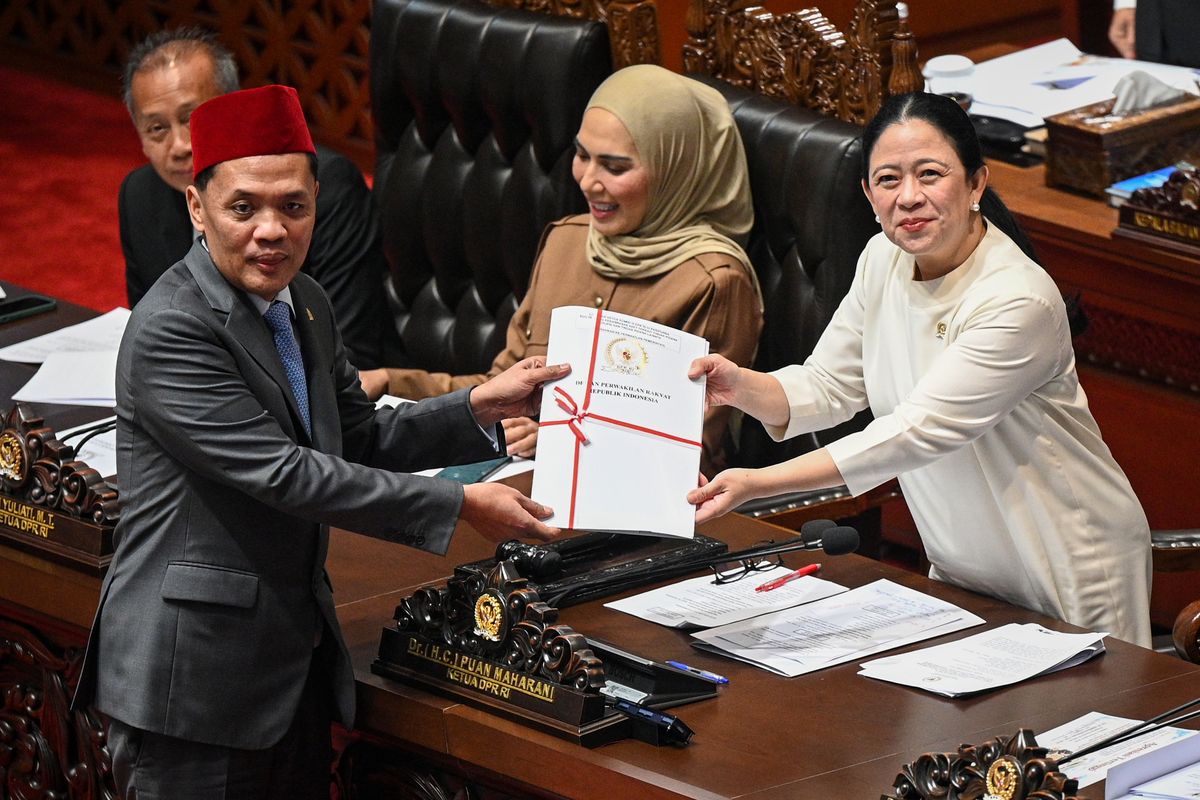
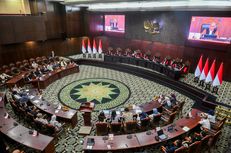
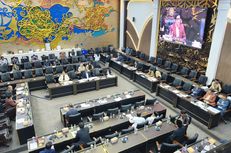
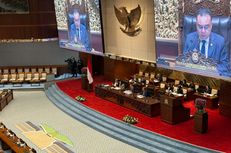
JAKARTA, KOMPAS.com - The Asset Forfeiture Law has officially been ratified by the Indonesian House of Representatives (DPR RI) during a plenary session on Thursday (19/11/2026).
The official document downloaded from dpr.go.id outlines various types of criminal assets that can be seized by the state.
The criteria for these forfeitable assets are detailed in Article 5, Paragraphs 1-4.
As stated in Paragraph 1 of Article 5, the criminal assets that may be seized include assets derived from criminal activities, even if they have been transferred or converted into personal property or property belonging to others.
"Whether in the form of capital, income, or other economic gains obtained from such assets," the Asset Forfeiture Law document reads.
Furthermore, assets used as tools or means to commit crimes that are physical and directly related to the crime can also be seized.
Additionally, other items discovered that are known to be legitimate property of the perpetrators can be seized to cover losses equivalent to the assets declared confiscated by the state.
In Paragraph 2, it is explained that other legitimate items belonging to the perpetrators must consider the value of the assets based on principles of fairness and balance with the value of the loss or non-conformity of the assets declared confiscated by the state.
Paragraph 3 of the same article states that other legitimate assets owned by the perpetrators, aside from those derived from criminal activities, can be seized based on a court decision that has obtained permanent legal force.
Paragraph 4 of the same article notes that the seizure of assets that have been utilized or transferred into social facilities for the public interest must not change the function of those assets so that they can still be used by the community.
Here is the full text of Article 5 of the Asset Forfeiture Law concerning the assets of criminal perpetrators that can be seized by the state:
(1) Criminal Assets that can be seized include:
a. Assets derived from criminal activities, including those that have been transferred or converted into personal property or property belonging to others, whether in the form of capital, income, or other economic gains obtained from such wealth;
b. Assets used as tools or means to commit crimes in the form of movable and tangible items directly related to the crime;
c. Assets discovered that are known to originate from criminal activities; and/or
d. Other legitimate assets owned by the perpetrators to cover losses equivalent to the Assets declared seized by the state.
(2) Other legitimate assets owned by the perpetrators as referred to in paragraph (1) letter d must consider the value of such assets based on the principles of fairness and balance with the value of the loss or non-conformity of the assets declared seized by the state.
(3) Other legitimate assets owned by the perpetrators as referred to in paragraph (1) letter d may be seized based on a court decision that has obtained permanent legal force.
(4) The seizure of assets that have been utilized or transferred into social facilities, places of worship, or public facilities for the community's interest must not change the function of those assets so that they can still be used by the community.