
Experts Say There is No Requirement for Written Study to Establish Additional Hajj Quotas
-
News
-
4 minutes ago
This article was translated by AI. Read the original article on Kompas.com. See Original
Developing nations must also have opportunities to enhance their positions within the global value chain.
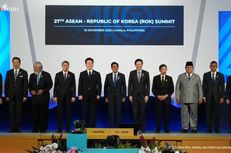
Thus, ASEAN and APEC essentially complement each other. ASEAN serves as the anchor of Indonesia’s geopolitical diplomacy, while APEC opens avenues to strengthen geo-economic positioning.
Regional security stability is a prerequisite for economic growth, while stronger economic cooperation can become a foundation for regional stability.
However, diplomatic success cannot be measured solely by the president's attendance, the number of bilateral meetings, handshakes, or photo ops with world leaders.
A more significant measure is the concrete results obtained by Indonesia.
Did Indonesia succeed in securing investment commitments? Is market access for national products increasing?
Are Indonesia's interests in supply chains and the digital economy gaining more space?
Is Indonesia able to maintain its strategic position amidst US-China rivalry?
These questions are benchmarks for whether the journey from Manila to Shenzhen truly adds value to national interests.
At the same time, the government must seriously address domestic issues.
Allegations of illegal wiretapping must be investigated transparently and accountably, including revealing those who ordered and received the results of the wiretapping if proven to have occurred.
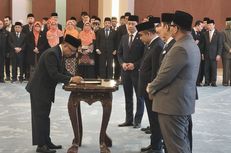
The process of filling the Vice President's position must proceed according to the constitution.
Government consolidation must also be conducted without sacrificing democracy, the rule of law, and public trust.
Suharto's experience in May 1998 serves as a reminder that domestic crises can escalate much faster than anticipated.
A president must indeed maintain continuity in foreign relations, but the ability to read changes in the domestic situation is an inseparable part of the leadership responsibility.
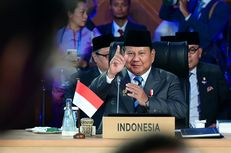
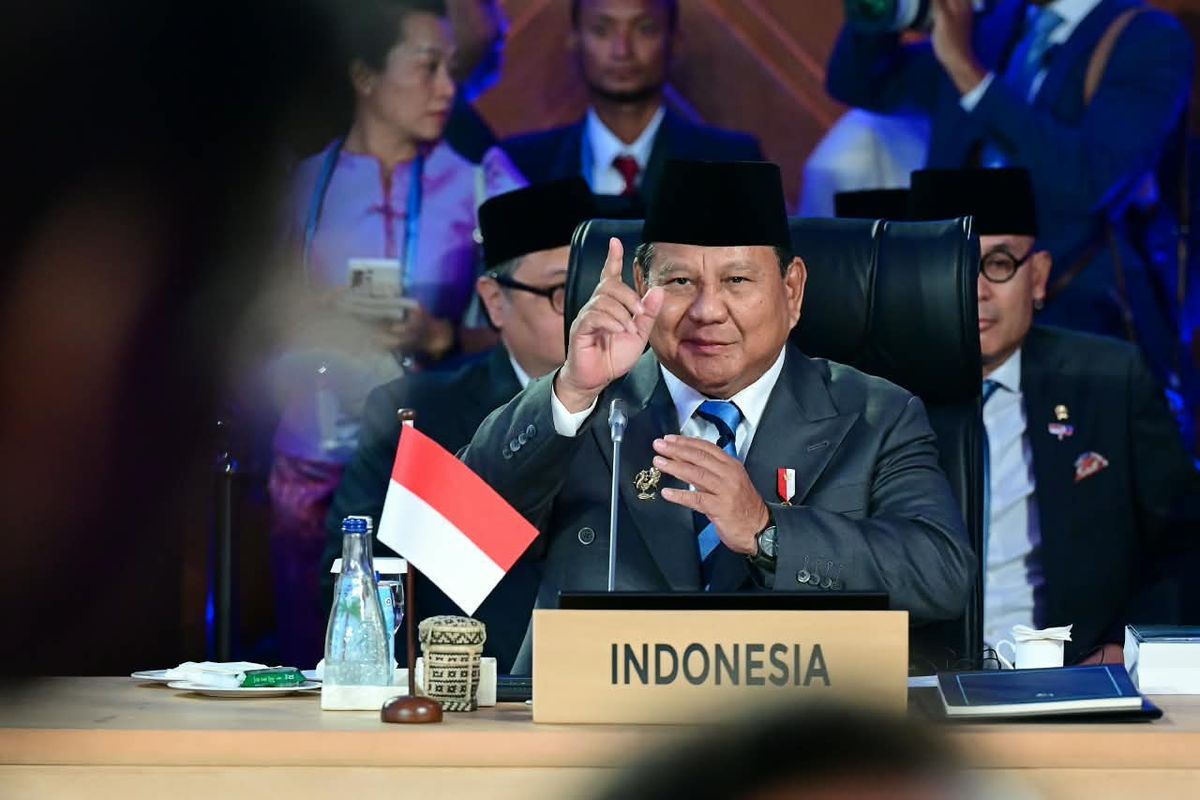
Ultimately, Prabowo's journey from Manila to Shenzhen reflects the classic yet relevant challenge in Indonesia's foreign policy: how to balance domestic interests with international environmental demands.
Prabowo does not need to choose between Jakarta and the international stage.
What is required is the ability to ensure that both agendas operate concurrently through effective governmental coordination, responsive leadership, and functional state institutions.
In the end, the president may face political storms domestically, but the ship named Indonesia must continue to sail.
Let it not be the case that by being too busy taming the waves in Jakarta, Indonesia loses momentum amidst the currents of global change.
Conversely, let it not be that the focus on navigating the ocean of diplomacy leads to neglecting the need to ensure that the ship at home remains strong and all its crew performs well.