

Suyudi Reflects on 10 Years of Service in the Brimob Corps: Never Thought of Becoming Chief of Police
-
News
-
4 minutes ago
This article was translated by AI. Read the original article on Kompas.com. See Original
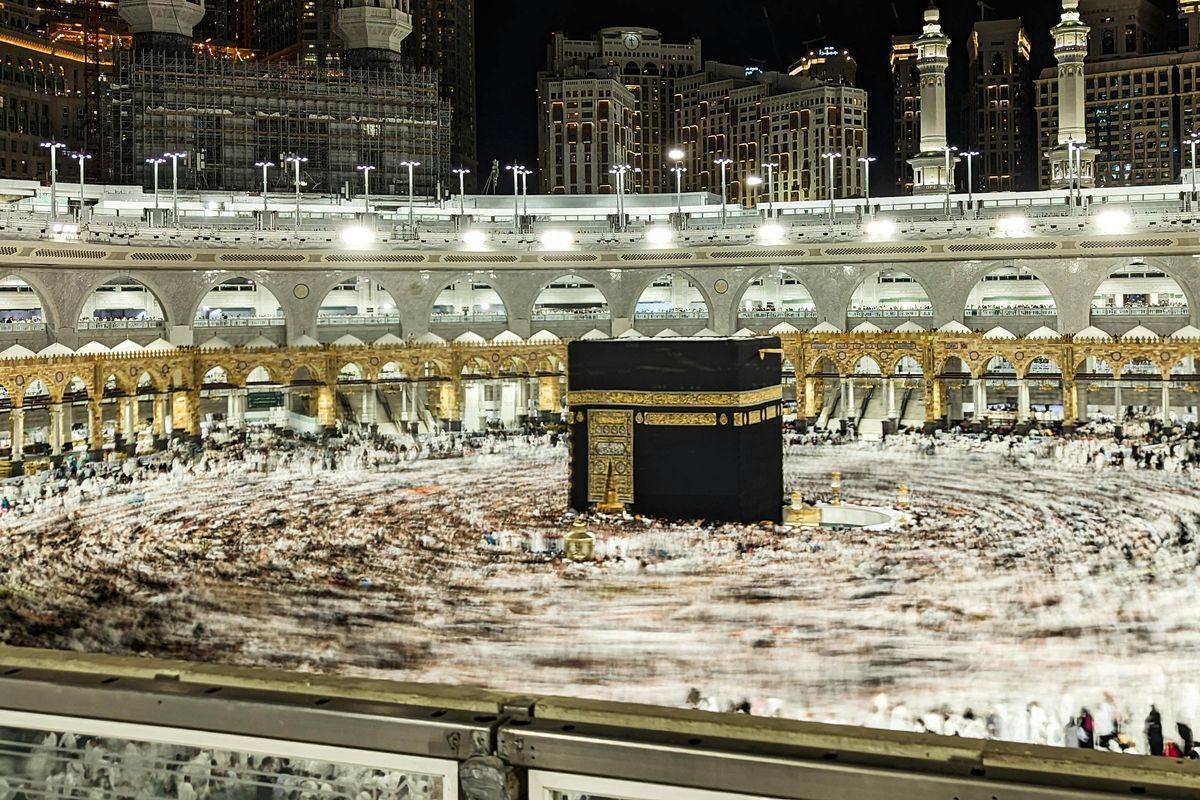
JAKARTA, KOMPAS.com - The revision of the Haj Financial Management Law (RUU PKH) will encourage the Haj Financial Management Agency (BPKH) to expand direct investments into productive sectors within the Haj and Umrah ecosystem.
The Chairman of Commission VIII of the Indonesian House of Representatives, Marwan Dasopang, stated that BPKH's investments should not rely solely on conventional instruments.
He said, "This law amendment is expected to strengthen the legal foundation for BPKH to develop investments that not only rely on conventional financial instruments in the Islamic ecosystem," during a discussion meeting on RUU PKH at the Parliamentary Complex, Senayan, Jakarta, on Monday (16/11/2026).
"But it should also optimize direct investments in productive sectors that have economic prospects and strategic benefits for the implementation of Haj worship," he added.
Marwan noted several sectors within the Haj and Umrah services ecosystem that present opportunities for direct investment from BPKH, including accommodation, transportation, food, and various supporting services.
Investments in these sectors need to be studied comprehensively so that they provide economic benefits while also supporting the efficiency of Haj worship implementation.
"However, we must emphasize that expanding the investment space does not mean providing unlimited freedom to BPKH in placing pilgrimage funds into risky investment activities," he said.
This politician from the National Awakening Party explained that developing direct investments needs to be accompanied by an appropriate regulatory framework so that investment productivity increases without neglecting the safeguarding of pilgrimage funds.
"Through the right regulatory framework, we hope BPKH can improve its capacity to enhance investment productivity, expand sources of value benefits, and support more sustainable financing for the implementation of Haj worship," Marwan concluded.