

Former Aide to Prabowo, Ahrie Sonta Dismissed, Habiburokhman: Wiretapping Scandal is the Darkest Incident
-
News
-
9 minutes ago
This article was translated by AI. Read the original article on Kompas.com. See Original
Edgar H. Schein, through his theory of organizational culture, explains that the behavior of organizational members is profoundly influenced by the underlying assumptions, values, and norms that develop within it.
This means that an organization’s character is determined not only by its leadership but also by the habits that are continually reproduced and passed down.
If an organization rewards those who are both high achievers and maintain integrity, the value of honesty will flourish.
Conversely, if loyalty to superiors is valued more than the courage to speak truth, the organization is building a culture of silence.
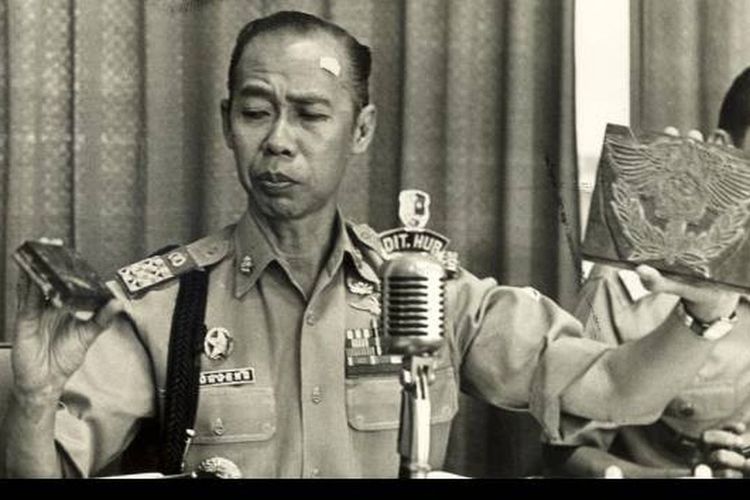
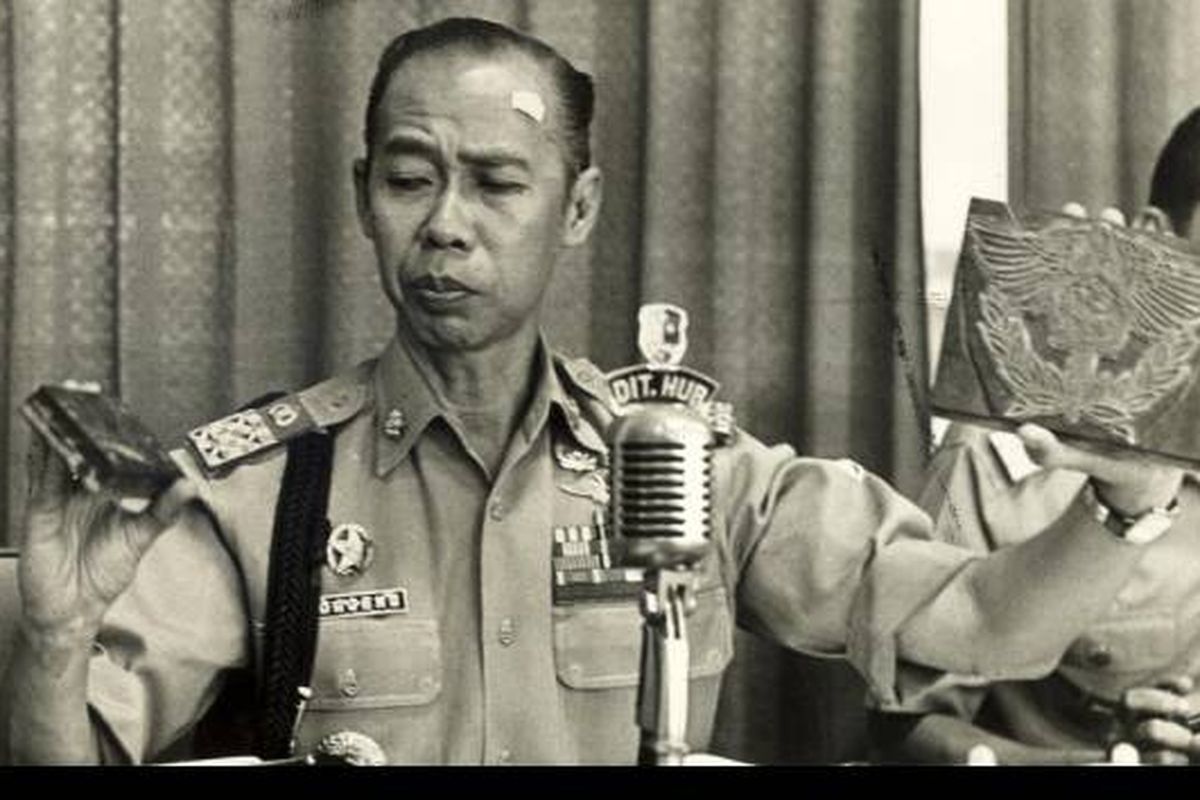
In the context of the National Police, the issue is not merely finding a new Hoegeng. The more fundamental question is whether the organizational environment allows for a Hoegeng to grow, endure, and have the opportunity to lead.
Imagine an officer who refuses intervention, does not accept gratification, and courageously exposes misconduct in their work environment.
Will they be rewarded for their integrity? Or will they instead be labeled uncooperative, difficult to work with, or even viewed as a threat to organizational cohesion?
Such questions matter because integrity will not thrive in an environment that punishes honest individuals and protects those skillful in maintaining group interests.
Amy Edmondson (1999), through the concept of psychological safety, emphasizes the importance of a work environment that allows organizational members to express opinions, acknowledge mistakes, and question erroneous practices without fear of reprisal.
The National Police needs a culture like that—not one that tolerates defiance against the law, but rather a professional environment where subordinates can correct superiors when a superior's decision contradicts the law and ethics.
Organizational cohesion should not be misconstrued as an obligation to always justify fellow members.
Is it still possible for the National Police to produce a leader of Hoegeng's caliber? The answer: absolutely.
However, do not expect different results if the organizational mechanisms continue to perpetuate the same habits.
James MacGregor Burns and Bernard Bass, through their theory of transformational leadership, explain that transformational leaders can elevate followers beyond personal interests toward a higher collective goal and values.
In a police organization, transformational leadership means shifting power orientation to service, changing personal loyalty to institutional loyalty, and placing the supremacy of the law above group interests.