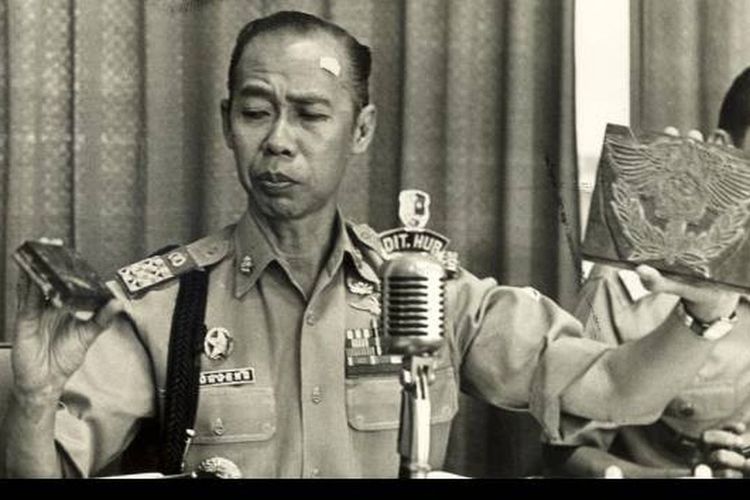


Former Aide to Prabowo, Ahrie Sonta Dismissed, Habiburokhman: Wiretapping Scandal is the Darkest Incident
-
News
-
9 minutes ago
This article was translated by AI. Read the original article on Kompas.com. See Original
THERE is an interesting irony in the trajectory of an institution. An organization can have grand buildings, advanced technology, a large budget, thousands of personnel, and a lineup of generals adorned with stars on their shoulders.
However, this does not necessarily mean that the organization is capable of producing a leader who earns the public's trust without first needing to read an image management report.
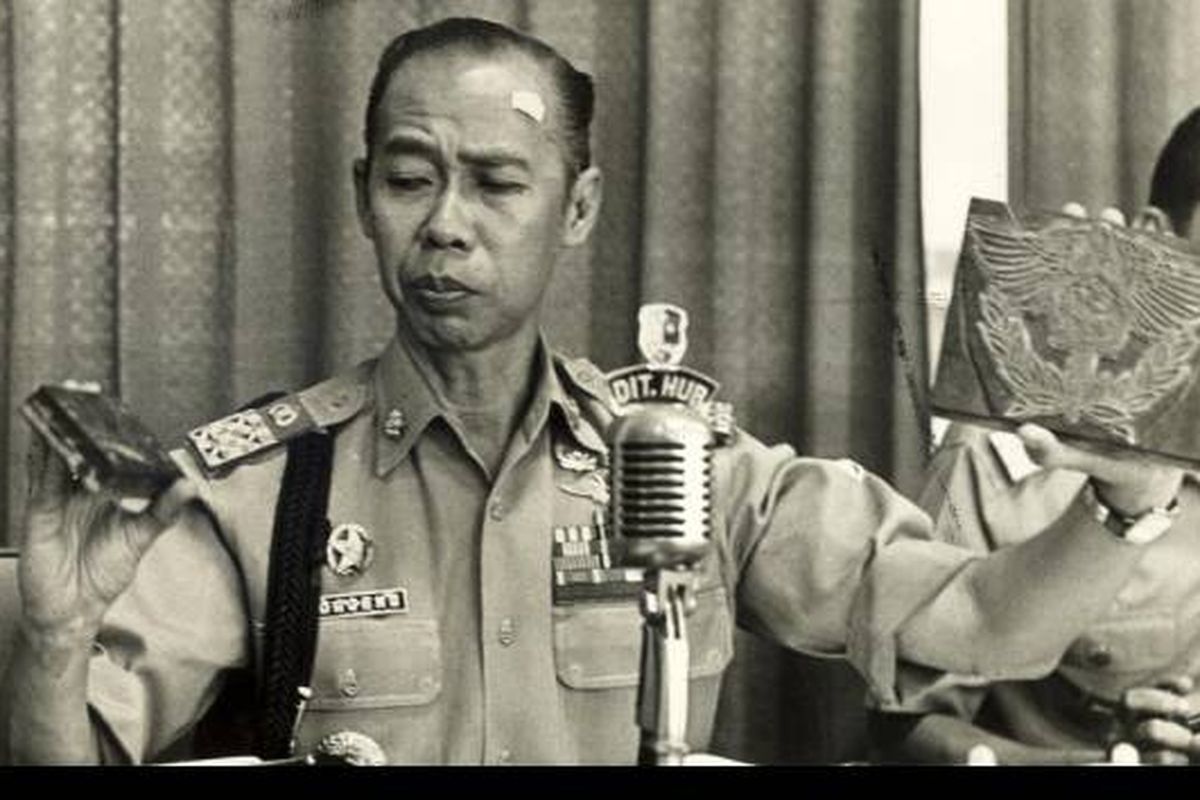
This is the intriguing paradox when discussing former National Police Chief General (Ret.) Hoegeng Iman Santoso.
The former Police Chief from 1968 to 1971 was posthumously awarded the title of National Hero on November 10, 2026. The state recognizes his contributions and exemplary conduct, particularly in bureaucratic reform, honesty, and integrity in service to the nation.
This award is not just a tribute to a police officer who long departed from his institution. More than that, this recognition acts as a mirror intentionally placed in front of the National Police today: to what extent does the police institution continue to uphold the values that once made Hoegeng so highly respected?
Hoegeng's reputation was not built on numerous press conferences, service slogans, or institutional awards. Instead, his reputation grew from the consistency between his words, decisions, and actions.
He became a symbol that power need not strip someone of simplicity, and that a position should not be a red carpet to privilege.
From the perspective of organizational behavior, Hoegeng represents what Brown, Treviño, and Harrison (2005) refer to as ethical leadership.
Ethical leadership is not merely the leader's ability to distinguish right from wrong. Furthermore, it involves a willingness to make moral values the guiding principle of decisions while communicating and enforcing ethical standards across the organization.
A leader with integrity must be more than just squeaky clean personally; they must also have the courage to create a system that leaves no room for deviant behavior.
This is where Hoegeng's exemplary conduct gains organizational meaning. A leader's honesty should not become just an inspiring tale in police education.
It should transform into a standard of behavior that lives within recruitment processes, job promotions, disciplinary enforcement, and internal oversight mechanisms.
The issue is that organizations often find it easier to produce compliance than integrity. Members may comply with superiors out of fear of transfers, losing their positions, or missing out on promotions.
However, compliance born from fear is fundamentally different from compliance that grows from moral awareness.
In such organizations, a member may have the courage to report societal errors but may not be brave enough to correct their superior's mistakes.