
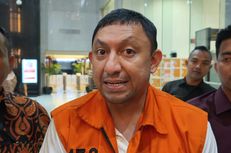
Fahd Arafiq Challenges Suspect Status from KPK in South Jakarta District Court
-
News
-
6 minutes ago
This article was translated by AI. Read the original article on Kompas.com. See Original
THE RESIGNATION of Gibran Rakabuming Raka from his position as Vice President on November 12, 2026, stands out as one of the most intriguing political events of the year.
This decision came amidst a polemic concerning education requirements and growing political pressures that led to proposals for using the right to express opinions in the People’s Consultative Assembly (DPR).
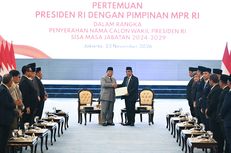
President Prabowo Subianto indicated that he accepted Gibran's decision.
Meanwhile, the resignation letter submitted by Gibran to the President and the MPR did not specify any particular reasons other than prioritizing the interests of the nation and the smooth operation of the government.
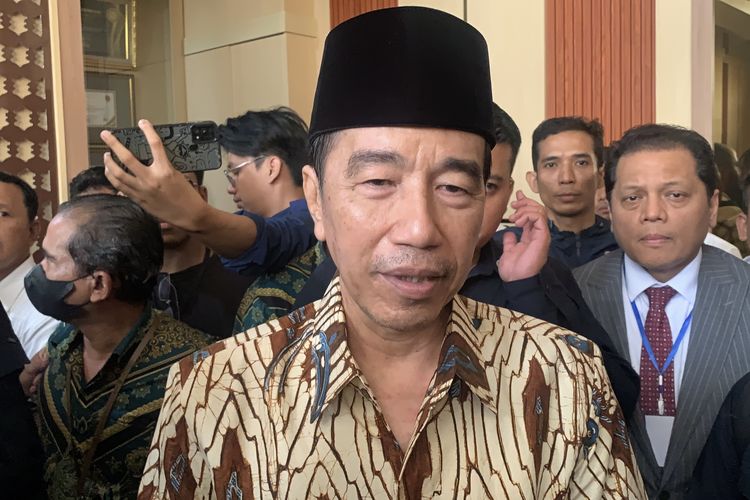
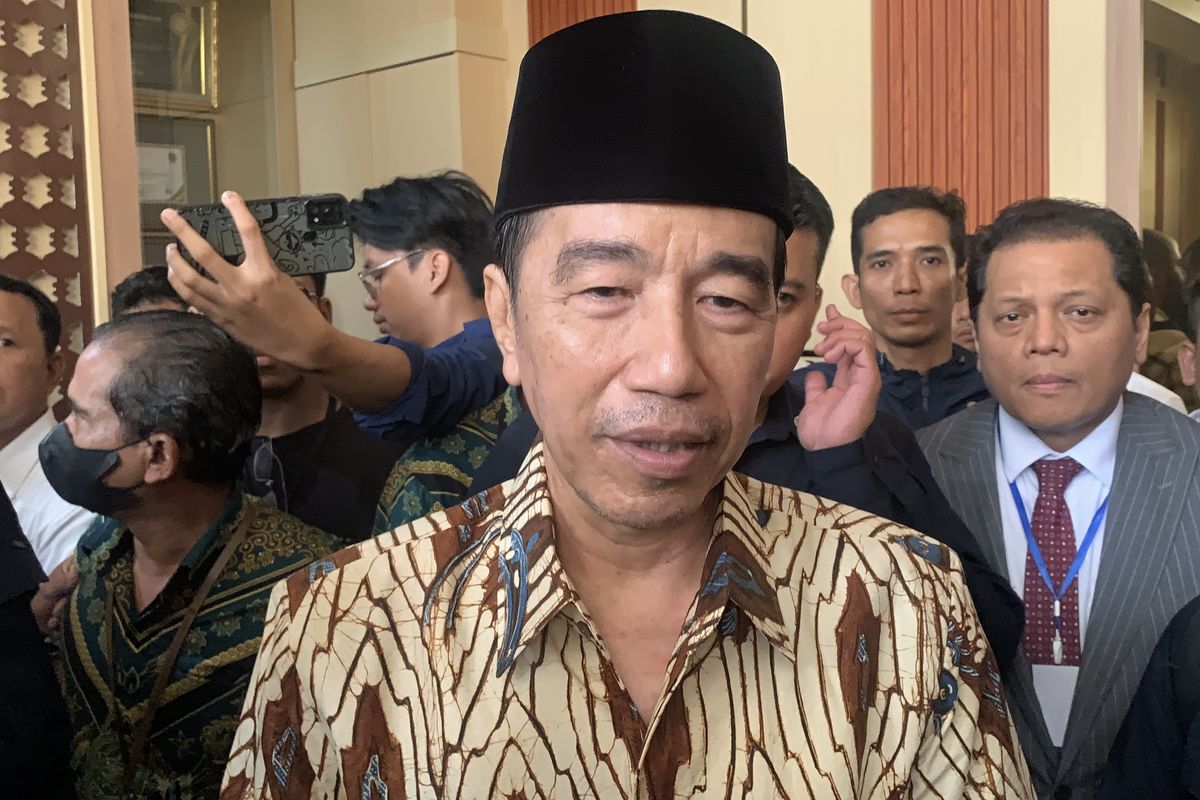
However, there is an interesting aspect to observe: how will Joko Widodo, Gibran's father and former president, who has been seen as having significant influence in the national political landscape, respond?
Jokowi did not engage in open confrontation with Prabowo.
In fact, during several meetings with volunteers in Solo, his messages emphasized the importance of maintaining government stability and supporting Prabowo until 2029.
Does this stance indicate that Jokowi has accepted the shift in power dynamics? Or is there a broader political calculation behind his silence?
In interpersonal psychology, silent treatment refers to the behavior of ignoring or withholding communication during conflict or tension.
In this context, the term is used as a political metaphor to interpret an actor's choice to withhold responses and avoid open confrontation.
In politics, silence does not necessarily equate to a lack of stance. It could well imply strategic calculations behind the decision not to react.
Jokowi is not a president who emerged from a political elite family or was raised through large political party structures.
However, during his two terms in office, he successfully built a power network that could rival the influence of the party he belongs to, PDIP.
Jokowi's political journey is intriguing. He once served as a cadre labeled as a party worker, only to later establish a relatively independent political strength.
The pinnacle of this was Gibran’s candidacy for vice president in the 2024 presidential election, showcasing how political influence can be transmitted through familial ties.
Yet, this success also leaves serious questions regarding democracy.
The controversy over changes in age requirements through a Constitutional Court decision, followed by debates over Gibran's educational qualifications, illustrates that political succession through family cannot be easily separated from ethical and institutional democratic issues.
Gibran's resignation now poses a unique challenge for Jokowi's political legacy.