
Maintaining the Pulse of Maritime Civilization
-
News
-
4 minutes ago
This article was translated by AI. Read the original article on Kompas.com. See Original
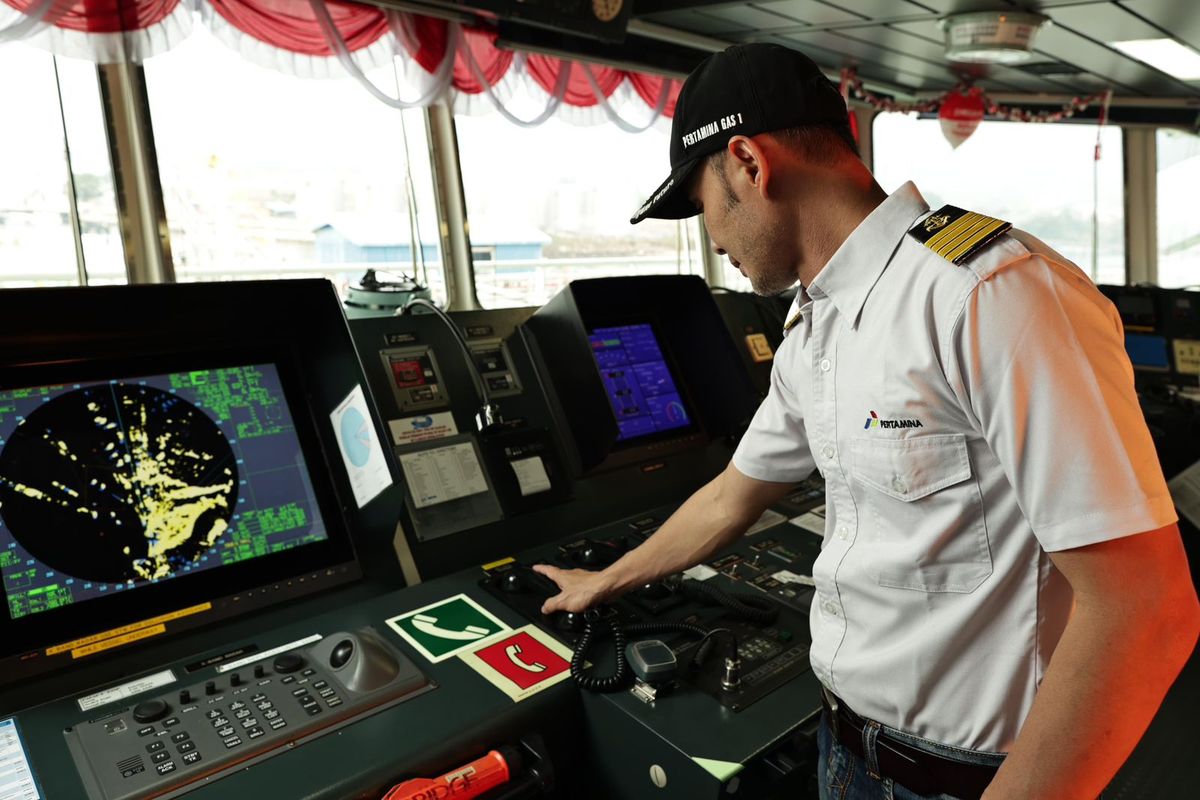
AS GLOBAL trade increasingly relies on maritime transportation, shipping technology becomes more advanced, and the demand for professional seafarers skyrockets, many graduates from maritime schools find it difficult to secure their first job at sea.
These individuals have completed their education, mastered navigation theory, understood maritime safety, and possess technical competencies.
However, when faced with the requirements for professional certification, there is one experience that cannot be substituted by a classroom or simulation: sea time.
This marks the fundamental challenge in the regeneration of the global seafarer workforce.
Being a seafarer is not just about obtaining a maritime education degree or mastering a set of technical knowledge.
This profession clearly demands real experience in facing the dynamics of the sea, reading weather changes, making decisions in emergencies, and developing teamwork skills in a high-risk, disciplined environment aboard a vessel.
The sea is not merely an object of learning; it is a space for developing skills, responsibilities, and professional maturity.
This issue garnered international attention when the International Maritime Organization (IMO) called for more shipping companies to provide training quotas for young officer candidates.
The call was made during the Global NextWave Seafarers Workshop at the IMO headquarters in London on November 20, 2026, attended by over 80 representatives from 25 countries.
Simultaneously, this becomes an important momentum to broaden that awareness.
Equally important, the call is a response to the long queue of maritime education graduates who have yet to secure opportunities for sailing practice as cadets.
A striking irony worth contemplating: the world needs quality seafarers, yet prepared candidates face limitations in access to meet the requirements to become professional officers.
It requires courage to build partnerships, align educational interests with industry needs, and position human development as an integral part of the future maritime strategy.
The maritime industry has shown profound changes over the past decades.
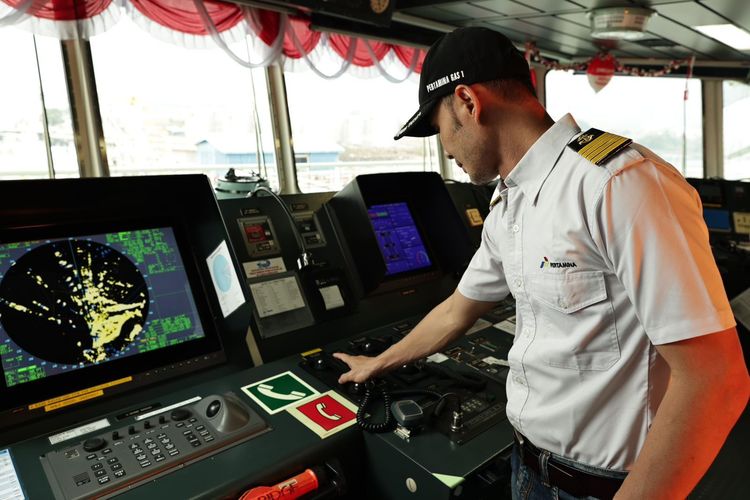
Modern vessels are equipped with digital navigation technology, satellite communication systems, automated monitoring devices, and various safety instruments based on technological intelligence.
However, this brings complex consequences for the human resources within the sector.
One of the facets pertains to the changing requirements for ship crew numbers and the provision of accommodation facilities.
As companies prioritize operational efficiency and construction cost reductions, modern ship designs have been increasingly stripped of space.
New generation vessels no longer provide additional room facilities such as accommodations for pilots, owners' representatives, spare cabins, or dedicated cabins for cadets to reduce construction budgets.
The removal of various extra accommodation spaces for the sake of cost efficiency presents new challenges in the seafarer regeneration process.
The lack of specific cabins complicates the placement of cadets needing practice hours at sea, raising issues about where they should be accommodated during voyages.
The fact is, cadets are not ordinary passengers who merely require a bed and meals throughout the journey.
They are future professionals undergoing competency development.
Their presence aboard is part of the continuity of the education system and the regeneration of seafarers.
Eliminating space for cadets effectively narrows one of the main pathways for academic knowledge to develop into professional skills.