

Coup Motive of Listyo Sigit Suspected to Retain the Kapolri Position: How Logical Is It?
-
News
-
Just now
This article was translated by AI. Read the original article on Kompas.com. See Original
This is where the maritime industry must reevaluate the balance between economic efficiency and regeneration responsibility.
Efficiency that solely focuses on short-term cost reduction risks neglecting long-term needs.
Ships can be made increasingly modern, operational systems can become more automated, and crew sizes can be further minimized.
However, who will operate, supervise, maintain, and make decisions when those systems face issues that cannot be resolved automatically?
Regeneration of seafarers is not merely the concern of educational institutions or governments.
It is a strategic interest of the shipping industry itself.
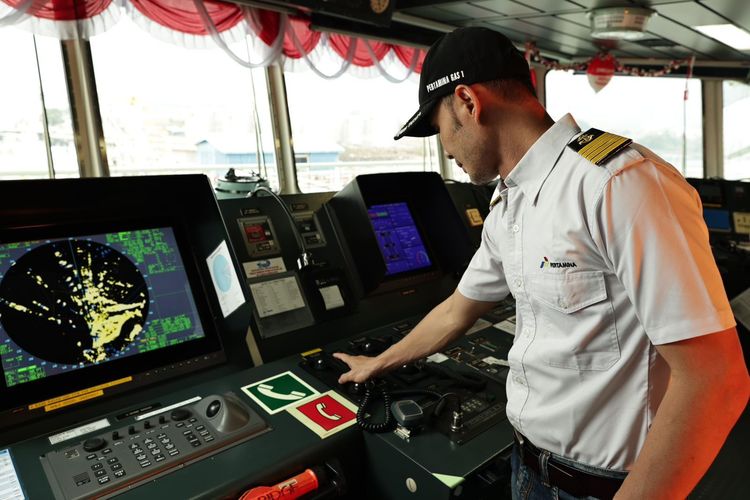
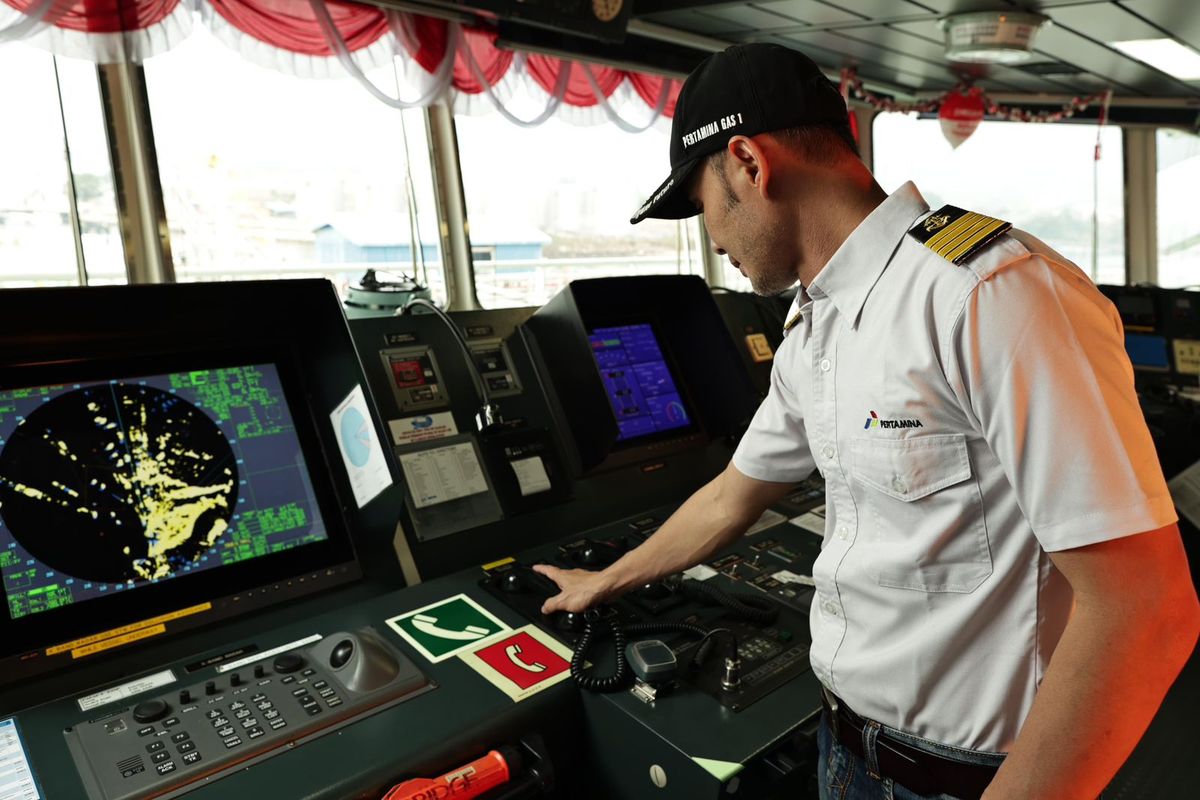
The challenges of seafarer regeneration become even more complicated as the maritime industry enters the automation era.
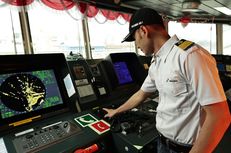
Technological developments have led to the emergence of vessels with increasingly autonomous operational systems, from partial automation of navigation and monitoring functions to the development of unmanned ships.
This transformation raises fundamental questions about the future of the seafarer profession.
If technology enables certain human jobs to be performed by automated systems, will the need for seafarers continue to diminish?
If the number of crew members is continuously reduced, how can maritime education ensure that new graduates gain the experience necessary to become officers?
These questions cannot be answered solely by pitting humans against machines.
Technology is fundamentally a tool for enhancing safety, efficiency, and productivity.
However, the capabilities of technology do not eliminate the need for human judgment, especially in unexpected circumstances.
In emergencies, for example, a ship officer is not only required to understand technical procedures.
They must assess risks, prioritize safety, coordinate the crew, and make decisions under time pressure.
Such competencies require experience gained through a lengthy process.
Simulations may provide insights into specific situations, but the experience of confronting real sea conditions retains irreplaceable educational value.
This is an issue that maritime policymakers need to address.
The more advanced the ships and the fewer the crew members, the more crucial it becomes to ensure that every officer candidate has the opportunity to fully comprehend ship operations.
We must not let technological efficiency create regeneration gaps.
Therefore, the development of automated vessels should progress in tandem with the updating of maritime education curricula and training systems.
Prospective seafarers need to be equipped with conventional navigation skills alongside an understanding of digital systems, automation control, maritime cybersecurity, and technological risk management.
The officers of the future must not only be ship operators but also decision-makers capable of understanding the relationships between humans, machines, and the marine environment.
This matter calls for shipping companies to not merely calculate how many crew can be reduced through automation.