
Rafael Alun Files Judicial Review in Corruption and Money Laundering Case
-
News
-
Just now
This article was translated by AI. Read the original article on Kompas.com. See Original
DIPLOMA that I earned from a university in Australia does not include my date of birth, photo, student identification number, or thesis title.
However, the absence of these four pieces of information does not diminish the validity of my academic qualifications.
A different experience is shared by a graduate from a university in Malaysia.
The bachelor’s degree he received was initially equated to a diploma three in Indonesia.
After resubmitting the equivalence with additional documents, his qualification was eventually recognized as equivalent to a bachelor’s degree.
There is also the experience of a doctoral graduate from a university in Taiwan.
He recounted a degree equivalence process that took 73 days. One reason for the delay was the difference in the background color of the uploaded photo.
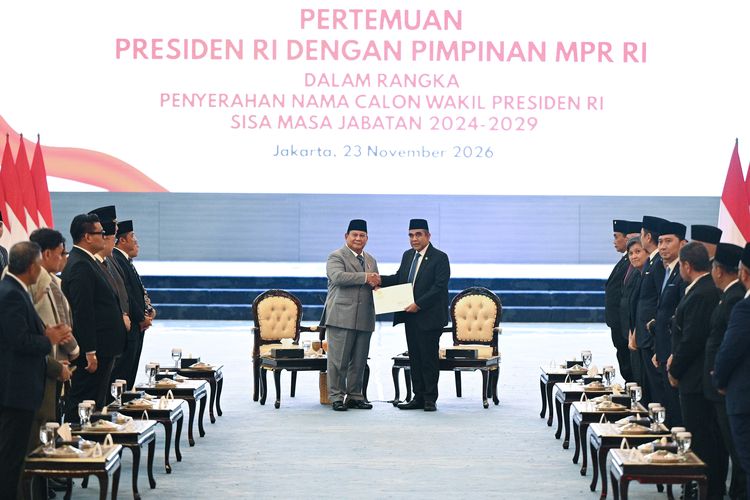
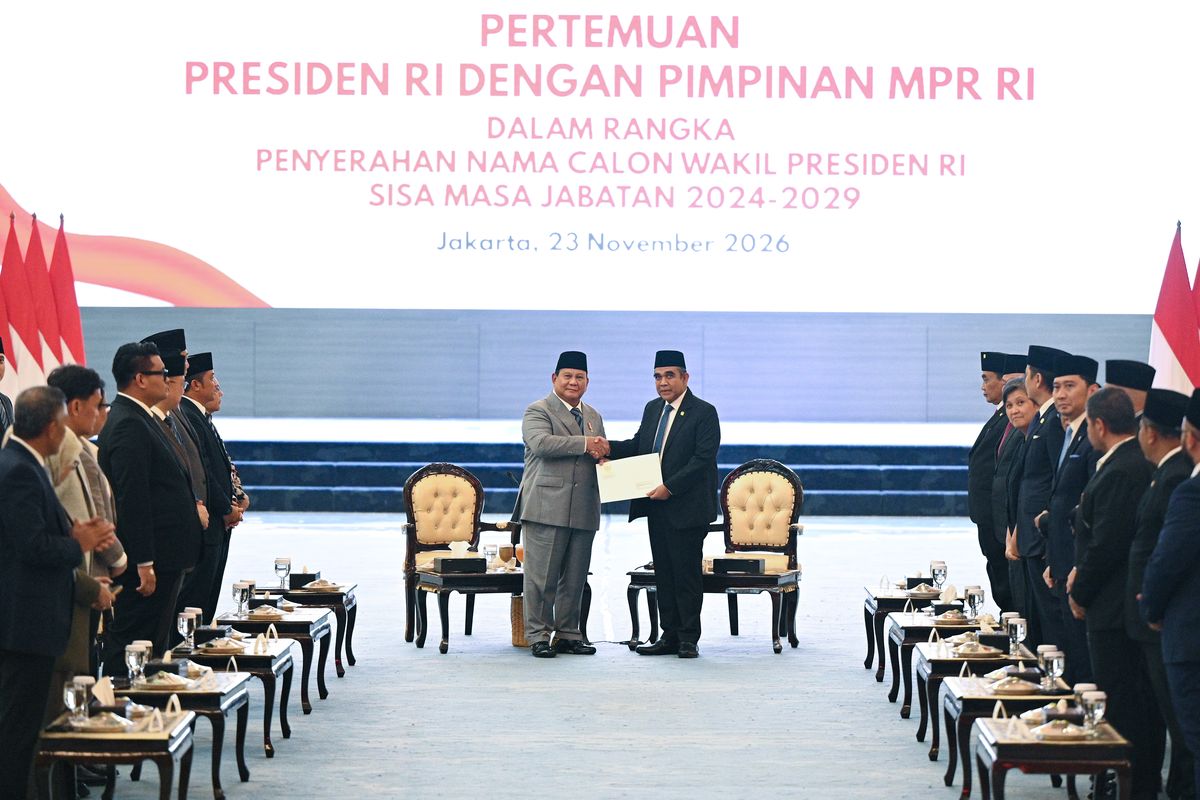
Such experiences raise questions when reflecting on administrative issues in the selection of vice presidents in Indonesia.
Why are we so preoccupied with administrative completeness? Does an increasing number of administrative requirements guarantee the quality of someone who will lead this nation?
This is where the paradox of administration lies. We seek certainty, yet often find ourselves caught in the complexities of achieving it.
Max Weber, through the concept of rational bureaucracy, explains that administration is necessary to create order, certainty, and objectivity.
However, over time, bureaucracy does not always function as initially intended.
Robert K. Merton (1940) explains the phenomenon of goal displacement, where compliance with procedures becomes the goal itself.
In the context of selecting a vice president, administrative requirements are indeed necessary to ensure that someone complies with applicable regulations.
However, issues arise when focus on administration far outweighs concern for the candidates' leadership abilities.