
Dasco Affirms No Interest in Vice Presidency: I Only Want to Support Prabowo's Victory
-
News
-
10 minutes ago
This article was translated by AI. Read the original article on Kompas.com. See Original
THE ATMOSPHERE in Senayan that afternoon, Monday, November 23, 2026—specifically at the Nusantara IV Building within the Parliament Complex—felt more subdued and tense than usual.
Outside the parliamentary walls, traffic had begun to crawl, signaling the start of the evening rush hour.
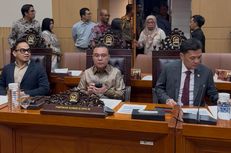
This was due to the ongoing constitutional event inside the House of Representatives (DPR), where the President was set to deliver two vice presidential candidates to the People’s Consultative Assembly (MPR).
As this article was being written, a convoy of Presidential Security Forces (Paspampres) had just arrived at the parliament building.
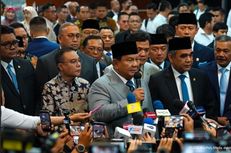
The President stepped down calmly, greeted immediately by MPR Chairman Ahmad Muzani, Deputy Chairman Sohibul Iman, Deputy Chairman of the DPR RI Sufmi Dasco Ahmad, Cucun Ahmad Syamsurizal, Sari Yuliati, and Saan Mustopa—who were seen waiting on the main terrace.
Suddenly, camera flashes and a swarm of microphones surrounded him from every direction.
Questions were fired rapidly, attempting to penetrate the veil of secrecy that had surrounded the candidate list for days.
However, the President chose not to respond to any of the reporters' barrage of questions that afternoon.
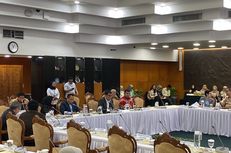
Without pausing to make a press statement, he walked straight to the Central Meeting Room in Nusantara IV.
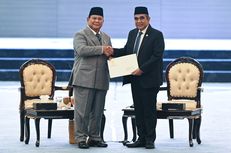
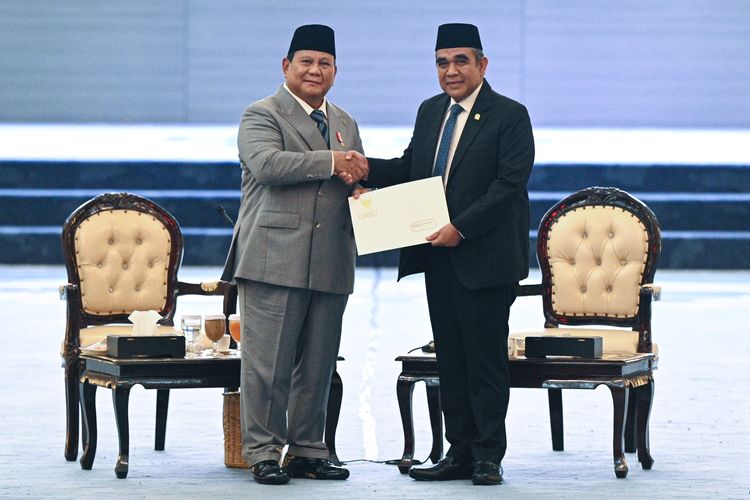
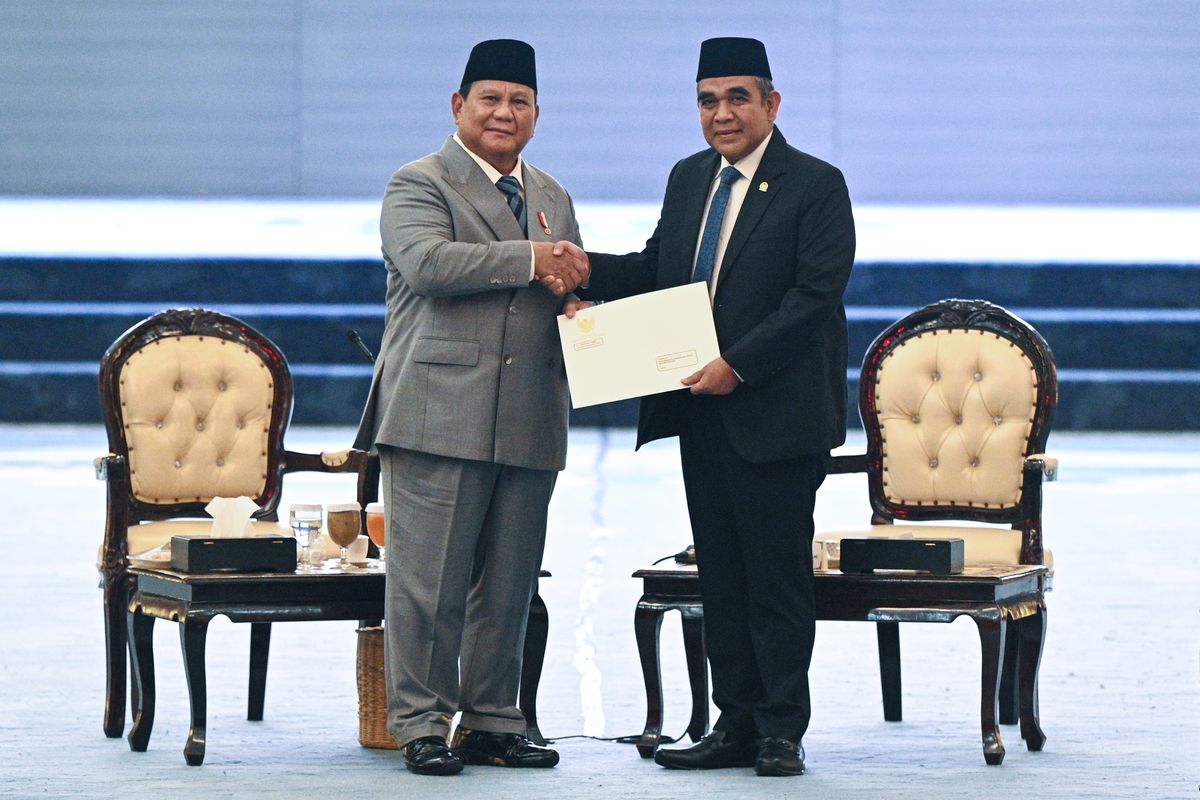
In a relatively short time, it was in this historic room that President Prabowo Subianto symbolically handed the documents containing the two vice presidential candidates to MPR Chairman Ahmad Muzani following the ceremonial procession.
Amid a political culture frequently filled with information leaks, lobbying whispers, and mutual claims before official decisions are made, the President's document handover felt like a subtle yet constitutionally significant political event.
The folder brought from the Palace to Nusantara IV was not just an administrative document but a symbol of authority, fiercely protected from short-term interests.
This constitutional event indirectly signified how the principle of presidentialism was fully exercised by the President, in line with applicable regulations.
In the architecture of the presidential system we adopted post-amendment to the 1945 Constitution of the Republic of Indonesia, the President is not a mandate holder subjected to the pulls of parliamentary factions but the highest governmental authority directly responsible to the people.
As a consequence, at certain points—such as in the appointment of strategic state positions like the replacement of Gibran for vice president—the constitution grants full autonomous space recognized as the President's prerogative.