Raja Juli Ensures Javan Rhino Won't Be Relocated Without Scientific Studies and Recommendations
-
News
-
Just now

JAKARTA, KOMPAS.com - The opportunity to become a representative of the people should be open to every citizen.
However, in practice, not all social groups have the same chance to enter parliament.
The issue of women's representation is one example.
Although the minimum 30 percent affirmation rule for women's candidacy in legislative elections has been enacted, the representation of women in parliament has not yet reached that target.
Now, a similar push is emerging from the disabled community.
The Indonesian Disability Association (PPDI) has proposed that the revision of the General Election Law include a minimum 10 percent quota for disabled candidates in legislative nominations.
So, what is the progress of the existing affirmation quota for women, and how will it be applied to disabled individuals?
How important is affirmation policy for women and persons with disabilities in elections?
How can we ensure that these rules truly open opportunities for vulnerable groups to gain representation in parliament?
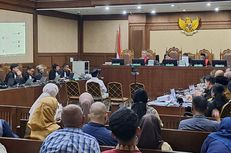
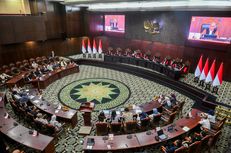
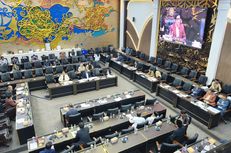
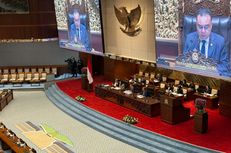
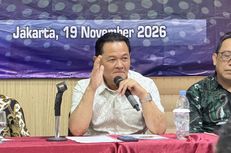
The proposal for a minimum 10 percent affirmation quota for disabled individuals was conveyed by PPDI Council Member Gufroni Sakaril during a Public Hearing with the General Election Bill Drafting Team and Commission II of the Indonesian Parliament on Tuesday (17/11/2026).
Gufroni assessed that the lack of affirmation regulations severely limits the chances for persons with disabilities to become legislative candidates and ultimately elected representatives.
He noted that there has not been a single disabled representative in the Indonesian Parliament to date.
"First of all, I must express my envy. I envy my female friends because they have achieved a 30 percent affirmation. But there’s already an established quota, right? There’s a quota, but for disabilities, there’s absolutely nothing," said Gufroni.
He believes that affirmation policies can open wider opportunities for disabled individuals to engage in politics, including running for legislative positions and enhancing their capacity to compete in elections.
The push for an affirmation quota for the disabled arises amid efforts by women’s groups to strengthen existing affirmation rules.