
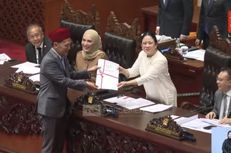
BREAKING NEWS! DPR Approves Asset Seizure Bill into Law
-
News
-
8 minutes ago
This article was translated by AI. Read the original article on Kompas.com. See Original
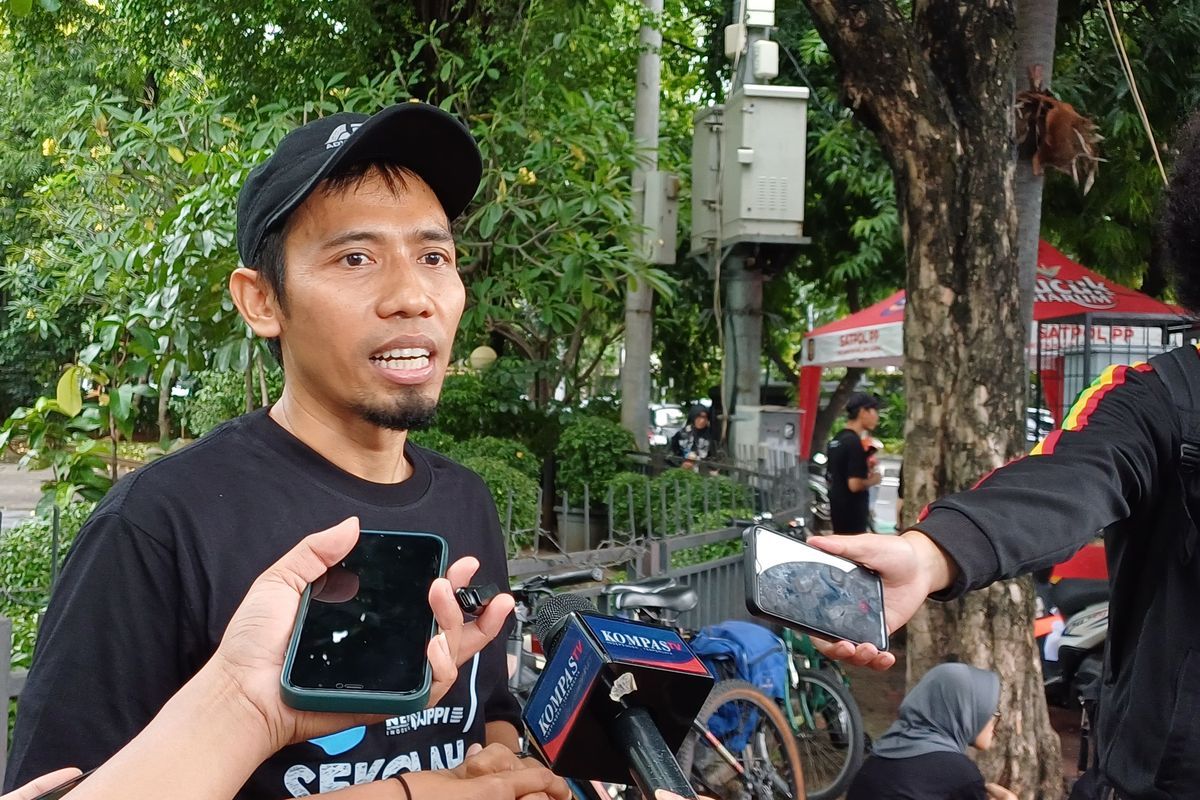
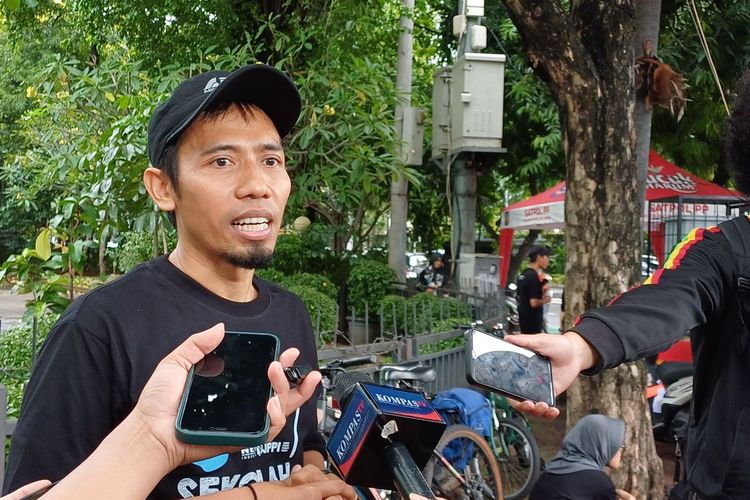
"Our problem has not been the absence of equivalency regulations, but rather the weak integrity of verification processes and the susceptibility to discretional loopholes that can be exploited for specific interests," Ubaid said.
Verification of foreign educational equivalency must be conducted through honest means without any potential for fraud.
Ubaid noted that this issue distinguishes diploma equivalency in Indonesia from that in other countries.
He explained that the equivalency systems in countries with robust education governance are built on strict competence standards and academic accountability.
These systems are also established transparently and free from political interference.
"For example, in Europe through the Lisbon Recognition Convention, or in Australia and Germany. Hence, the differences in curriculum systems and educational levels among countries are normal, as almost all developed nations have equivalency mechanisms (credential evaluation or recognition of qualifications)," he explained.
Thus, Ubaid warned against allowing the discussion of diploma equivalency in the RUU Sisdiknas to become a "red carpet" or a tool for political legitimization to cover up past maladministration cases.
He does not want any regulatory changes to overlook existing issues.
"Or worse, to facilitate shortcuts for certain elite groups," Ubaid added.
Furthermore, Indra Charismiadji asserted that the government must ensure that the equivalency process is based on educational qualifications, not merely documents indicating someone attended school.
He believes the government needs to differentiate between diplomas or graduation certificates, transcripts, and certificates of attending education.
"These three serve different functions and cannot simply replace each other," Indra clarified.
Additionally, the verification process should be organized transparently and be traceable.
Each equivalency letter must have clear supporting documents.
Similarly, details about who verifies, what is examined, the basis for evaluation, and who is responsible for the decisions must be clearly outlined.