
Members of Parliament and High School Diplomas
-
News
-
1 minute ago
This article was translated by AI. Read the original article on Kompas.com. See Original
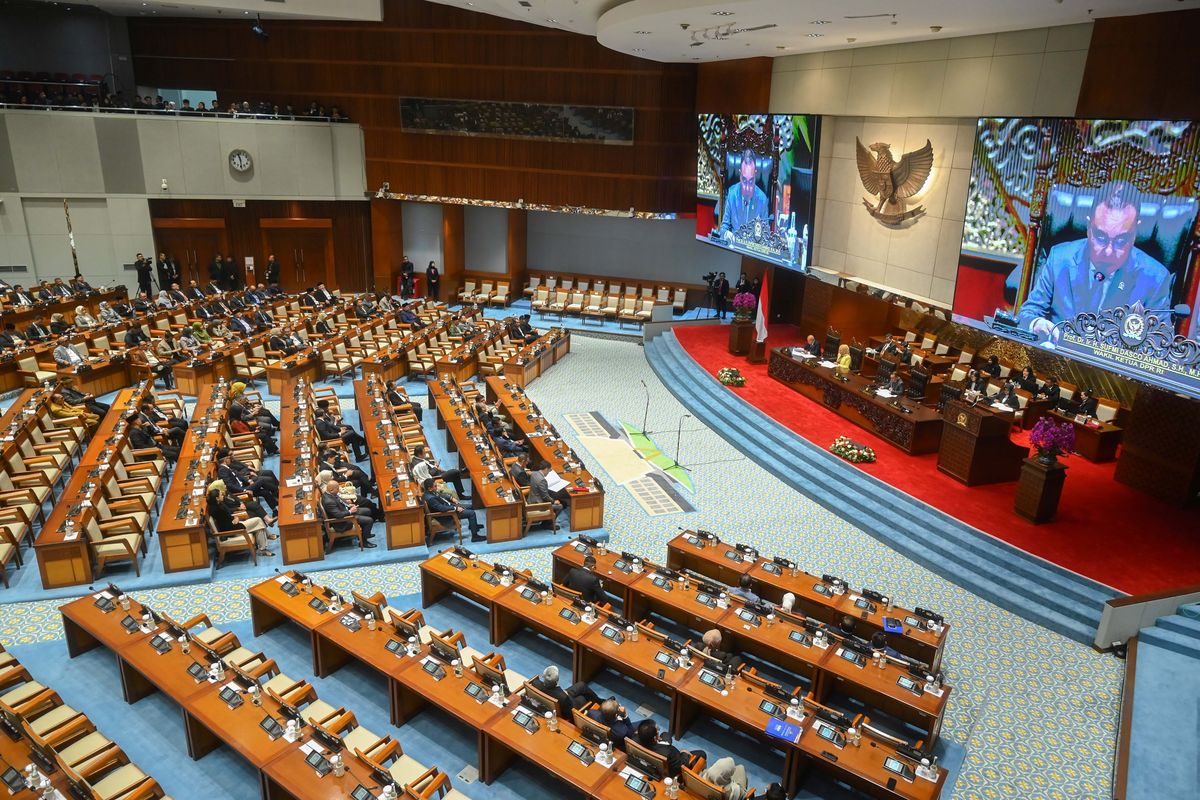
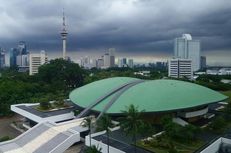
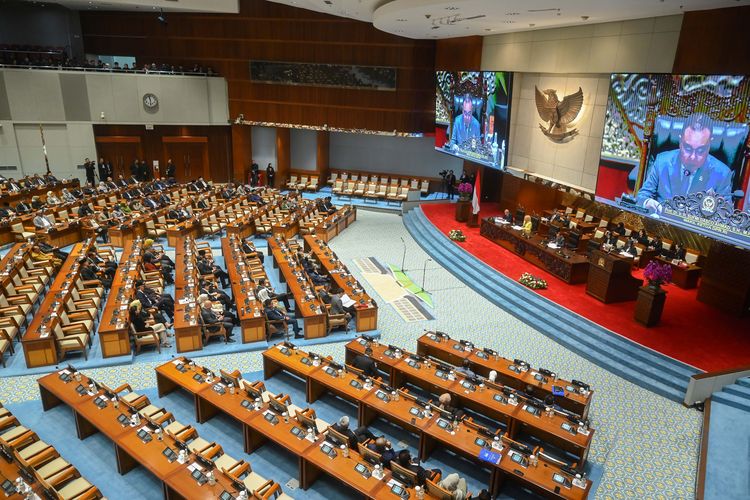
MORNING November 18, 2026, thousands of people are still knocking on Senayan's doors through a petition. They are calling for the diplomas of Members of Parliament to be opened and verified.
As of the night prior, 24,088 people had signed their names. Inside, the response indicates that educational data is available at the General Election Commission (KPU) (CNN Indonesia, November 18, 2026).
However, behind the request to disclose a document lies a longer question: what kind of knowledge is at work in the room where laws are born?
The educational data of Members of Parliament provided by the KPU, based on the composition as of December 2025, records 191 high school graduates, one with a D3 degree, 146 with Bachelor’s degrees, 168 with Master’s degrees, and 74 with Doctorates.
Out of the total 580 members, about 32.9 percent have at most a high school education (CNN Indonesia, November 18, 2026). Almost one-third.
This figure can be seen as a reflection of representation. The parliament is not merely a gathering of degree holders. A farmer has the right to be represented by someone who understands the land and seasons; a laborer has the right to send someone who comprehends the weary body after a night shift.
However, representation is not a mere statistic of the population. The parliament does not need to replicate the educational composition of society to validly voice its interests.
What the public entrusts to their representatives is the ability to advocate for a better life, even when the issues exceed personal experience. This is where the mandate becomes a burden.
The Election Law stipulates a minimum education of high school or equivalent for candidates for the House of Representatives. This is the threshold to enter candidacy (Law No. 7 of 2017, Article 240, paragraph 1 letter e).
This threshold does not inherently answer the competencies needed once someone takes their seat. Entry requirements are not a measure of sufficiency for the entire job.
Drafting laws demands the ability to weigh complex relationships. Changing a tax provision can impact state revenues and the livelihoods of small businesses.
Mining regulations bring together investment and environmental safety. Artificial intelligence regulations raise issues of employment, privacy, and legal liability at the same table.
A single article can be brief, but the implications can last a lifetime.
Higher education should equip someone with reading habits, testing arguments, understanding methods, and recognizing the limits of knowledge.
More limited formal education may leave gaps in preparation for such work. These gaps deserve to be openly discussed, without turning into insults.