

Beware of Extreme Weather at the End of 2026! Floods and Landslides Loom
-
News
-
9 minutes ago
This article was translated by AI. Read the original article on Kompas.com. See Original
JAKARTA, KOMPAS.com - The resignation of Gibran Rakabuming Raka from his position as Vice President marks a new chapter in the political journey of Joko Widodo (Jokowi), his father and the 7th President of Indonesia.
For some time, the presence of his eldest son in the circle of government power has served as one of Jokowi's political channels after he stepped down from the presidency.
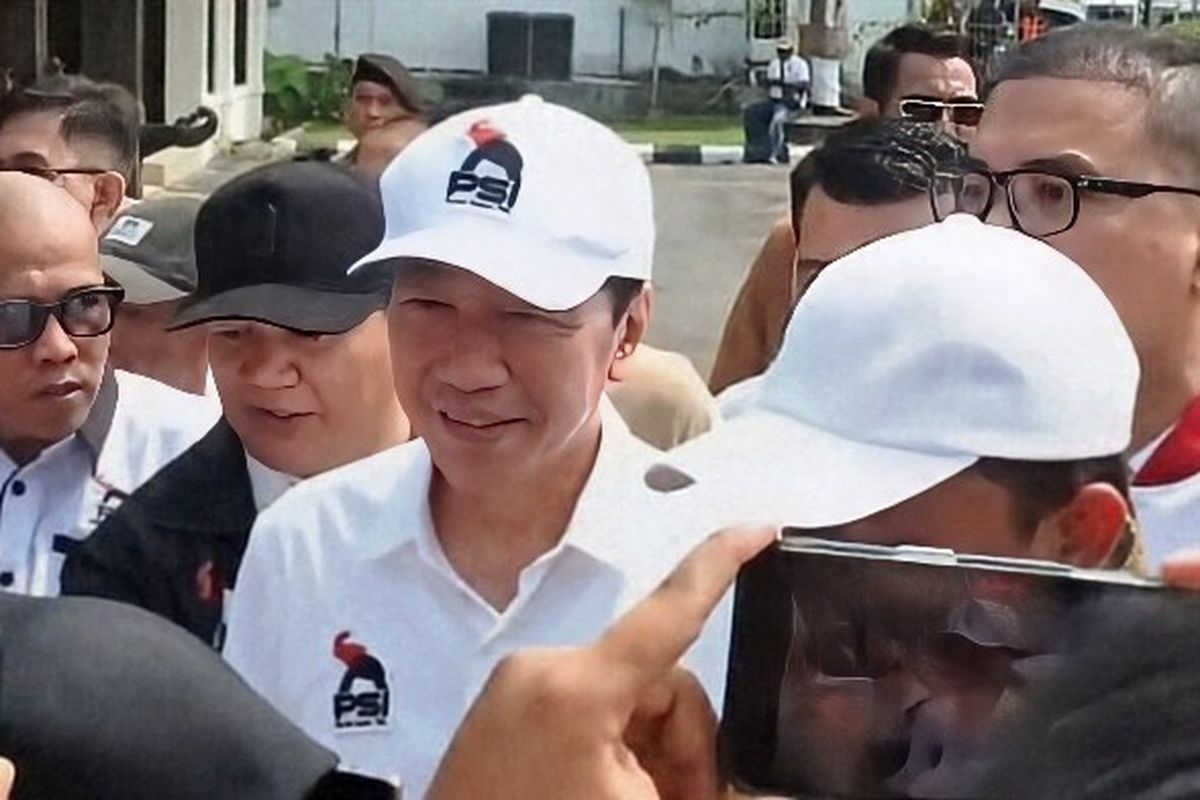
This change raises questions about the durability of Jokowi's political influence, especially concerning the Indonesian Solidarity Party (PSI), which has been closely associated with his name.
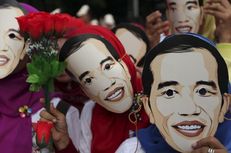
The 2029 elections will be a moment to test whether Jokowi's popularity can still translate into electoral support for the party.
However, how significantly will Jokowi's change in position affect the national political landscape and PSI's prospects in parliament?
Executive Director of Aljabar Strategic Indonesia, Arifki Chaniago, views Gibran's resignation from the vice president position as a key indicator of the shift in Jokowi's political position.
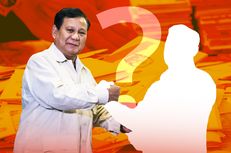
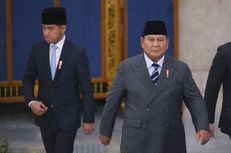
According to Arifki, Gibran's role as vice president has served as a channel linking Jokowi's political influence with Prabowo Subianto's government.
"With Gibran's resignation, that channel is essentially no longer available. This means Jokowi no longer has family representation in the vice president position, which is directly part of the executive power structure," Arifki stated to Kompas.com on Monday (16/11/2026).
Nevertheless, Arifki remarked that it does not mean Jokowi's political influence has vanished.
The former president still possesses political networks, relations with several party elites, and the popularity capital built over two terms in office.
"Hence, what's changed is not merely Jokowi's popularity, but rather his access and bargaining power within the government's power structure," he elaborated.
He noted that after Prabowo became president, the constitutional center of decision-making in the government rests in Prabowo's hands.
Over the past two years, the political relationship between Prabowo and Jokowi has shown continuity of interests.
However, Gibran's resignation alters Jokowi's standing within the government configuration.
Arifki perceives that Jokowi's influence moving forward will likely be dictated more by his ability to maintain political networks outside the government rather than through direct access to executive power.
Under these circumstances, he indicates a shift from "power-based influence" to "network-based influence".
"This is significant because political influence based on networks and elite loyalty has characteristically different traits from influence supported by access to governmental power," he stated.