


Prabowo Instructs Anticipation for Flash Flooding in Sumatra to Avoid Recurrence
-
News
-
5 minutes ago
This article was translated by AI. Read the original article on Kompas.com. See Original
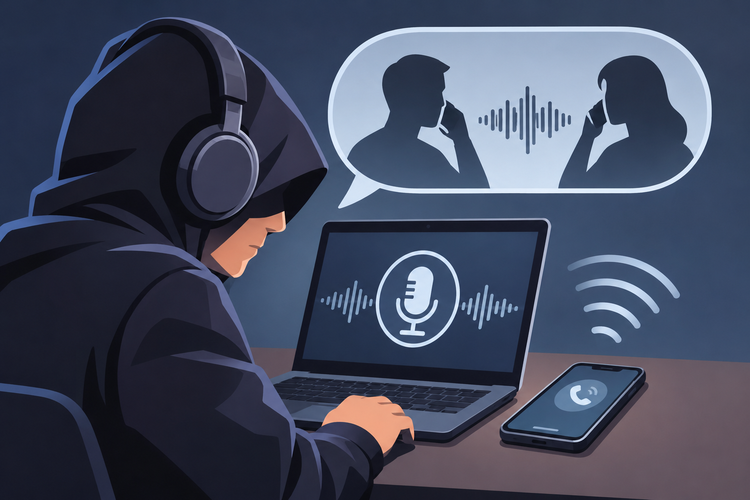
He does not want illegal wiretapping targeting heads of state and national figures to happen again in the future.
"We must ensure that national security and citizens' rights are not threatened by unlawful wiretapping," said Habiburokhman.
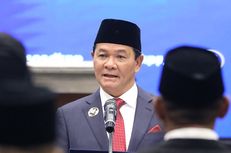
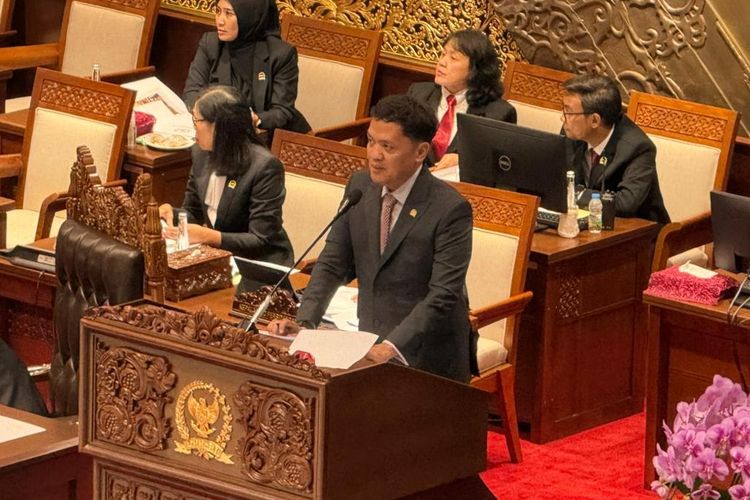 Chairman of Commission III DPR Habiburokhman. Commission III of DPR RI emphasizes that the illegal wiretapping conducted by former National Police Chief Listyo Sigit Prabowo and three other police generals against President Prabowo Subianto falls into the category of treason.
The Wiretapping Bill has become increasingly relevant due to the recent wiretapping case involving former National Police Chief General Listyo Sigit Prabowo and President Prabowo Subianto, an act deemed as trending towards treason.
"Now, this case makes it even more relevant, particularly concerning this treasonous group, the LSP. The demand from society is also growing," said Habiburokhman.
Thus, he noted that Commission III DPR held a meeting with the Head of the National Intelligence and Security Agency (Kabaintelkam) of the Police as a preliminary step.
"We need to push this forward," he added.
Habiburokhman revealed that the current regulations regarding wiretapping authority are fragmented across various laws, including the Criminal Procedure Code, the Corruption Eradication Commission Law, the Intelligence Law, the Police Law, the Prosecutor's Law, and the Narcotics Law.
Commission III highlighted that this piecemeal regulation does not adequately govern wiretapping comprehensively.
Existing procedures are considered very varied, with some agencies requiring court permission to conduct wiretapping, while others can do so without permission, with differing time limits.
This situation leaves gaps due to the absence of a clear, strict mechanism and adequate constitutional constraints to safeguard data and personal information of the public.
With the introduction of the Wiretapping Bill, Commission III hopes this specific regulation will unify and clarify the procedures for conducting wiretapping professionally, accountably, and nondiscriminatorily.
"This special regulation will clarify the mechanisms and procedures for wiretapping activities that must be conducted professionally and accountably, ensuring they are non-discriminatory and beneficial for law enforcement and the protection of human rights or citizens' constitutional rights," he explained.
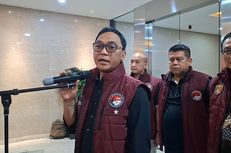
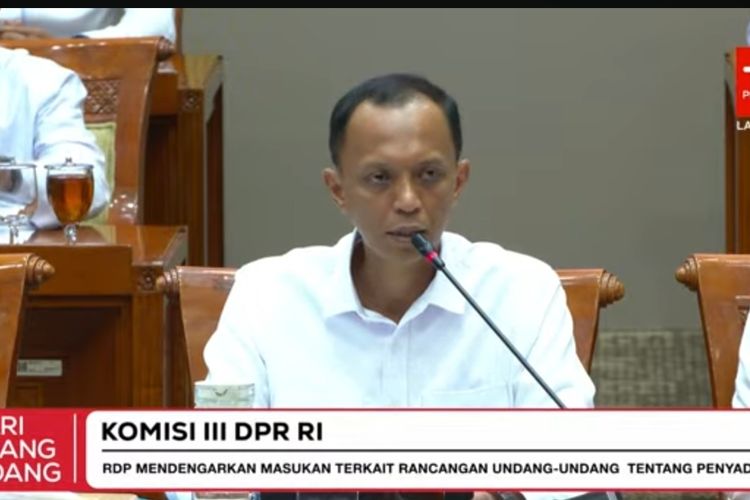
The Head of the Intelligence and Security Agency (Kabaintelkam) of the Police, Commissioner General Dedy Kusuma Bakti, expressed his support for DPR RI’s initiative to draft the Wiretapping Bill.
"From the outset, the position of the Baintelkam of the Police has been to support the formation of this wiretapping law," Dedy said during the Hearing Meeting (RDP) with Commission III DPR RI.
According to Dedy, the existence of such regulations is projected to provide legal certainty for field officers.
Moreover, he believes this regulation will also offer optimal protection for society.
Dedy hopes the Wiretapping Bill will not only regulate wiretapping for investigation purposes alone.