

Building Resilience Against Forest and Land Fires
-
News
-
19 minutes ago
This article was translated by AI. Read the original article on Kompas.com. See Original
The result is intriguing. Substantive issues were examined, while the petition ended with a dismissal ruling.
Next, the MA used the MK's ruling as one of the considerations in adjudicating the equivalency certificate.
The Court developed corrective and remedial administrative judicial authority while prioritizing substantive justice when setting aside objections related to the expiration of lawsuits and insufficient parties.
This consideration warrants critical examination.
Substantive justice is an important goal of the judiciary. However, it does not automatically justify the circumvention of legal procedural provisions without a legitimate basis for exceptions.
Time limits, the legal standing of the complainant, and court competence are not mere formalities.
All three restrict judicial authority while protecting the certainty of legal relationships.
The principle of ius curia novit obligates judges to know and discover the law. This principle does not mean that judges can create new authority outside the provisions of the Constitution and laws.
Such criticism does not diminish the obligation to respect court rulings.
In fact, rulings involving significant constitutional interests require open argumentation to academic scrutiny.
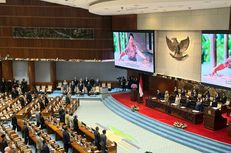
In the context of dismissing a vice president, Article 7B has established mechanisms involving the DPR, MK, and MPR.
The DPR submits opinions regarding alleged grounds for dismissal.
The MK examines and decides on those opinions. If the DPR's opinion is justified, the MPR makes a decision according to constitutional requirements.
The MA's ruling could serve as relevant evidence. The MK's considerations in election result dispute cases could also be subject to examination.
However, neither replaces a separate examination of grounds for dismissal.
There should be no leaps of authority simply because an issue draws national political attention.
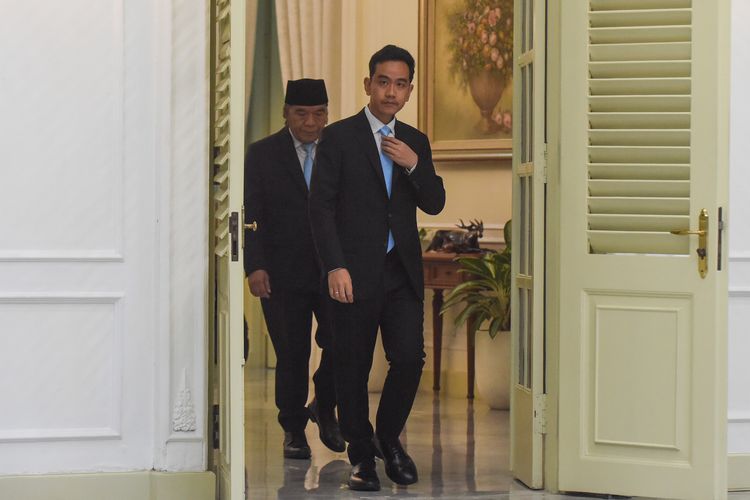
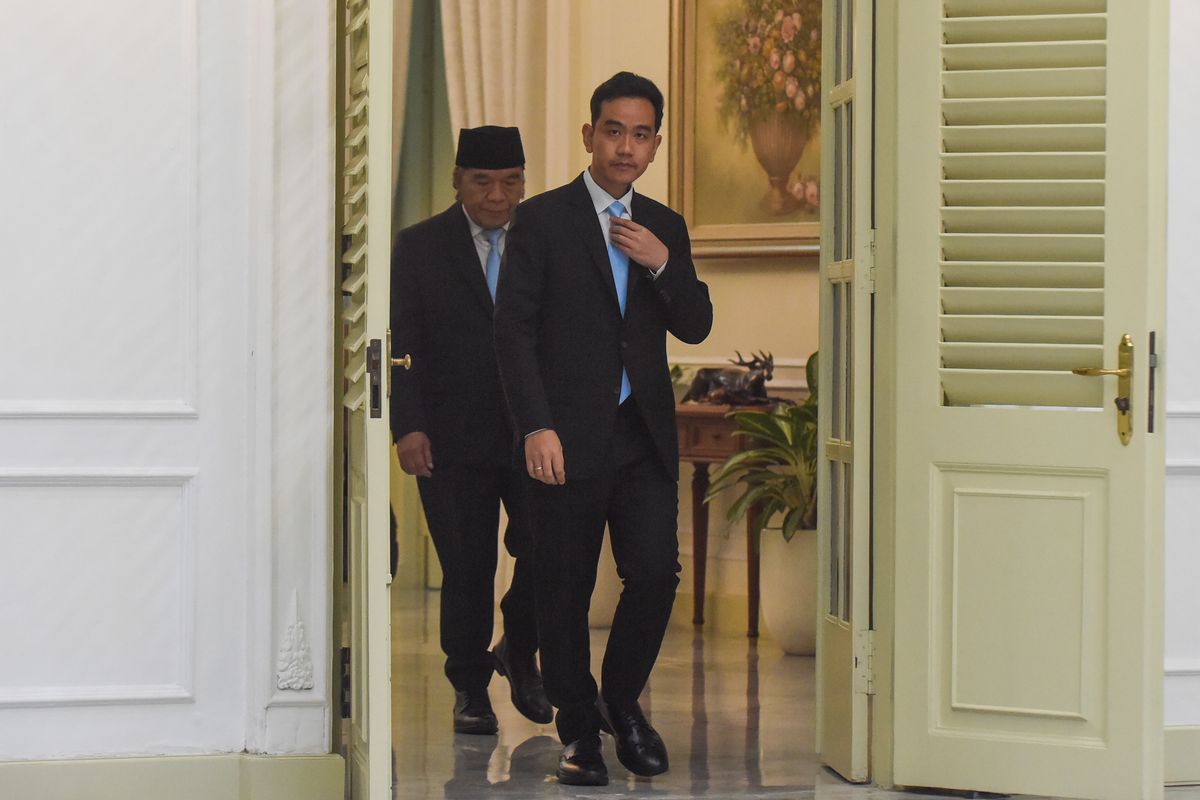
The issue surrounding Gibran's educational documents ultimately tests Indonesia's consistency as a rule of law.
The court's finding regarding inadequate evidence of graduation as the basis for equivalency is a serious matter.
This finding should be followed up by the competent authorities and not overlooked simply because an individual holds a high office.
However, the continuation of a constitutional office cannot solely be determined through the annulment of administrative decisions related to candidacy.
There is a difference between rectifying government mistakes, assessing the fulfillment of educational requirements, and dismissing a vice president.
Each issue has its own legal basis, proof requirements, and resolution mechanisms.
Inauguration does not erase legal responsibilities. But voter mandates should not lose protection merely because the consequences of a ruling are extended beyond the objects it adjudicates.
The law must be able to uphold both.
If there is evidence that position requirements are unfulfilled, constitutional mechanisms must operate.
Conversely, if the issue is merely a defect in issuing decisions, the consequences must be placed within the administrative law sphere.
This stance does not defend an official. Nor does it reject accountability demands.
This is about ensuring that state authority is not used beyond its limits.
Certificates can be annulled. Errors can be rectified. Officials can be dismissed. However, each has its own reasons, metrics, and legal pathways.
A rule of law does not lose its authority when it rejects shortcuts.
Rather, this is where its dignity is tested: having the courage to correct mistakes without turning every dispute into a power grab.