

Building Resilience Against Forest and Land Fires
-
News
-
22 minutes ago
This article was translated by AI. Read the original article on Kompas.com. See Original
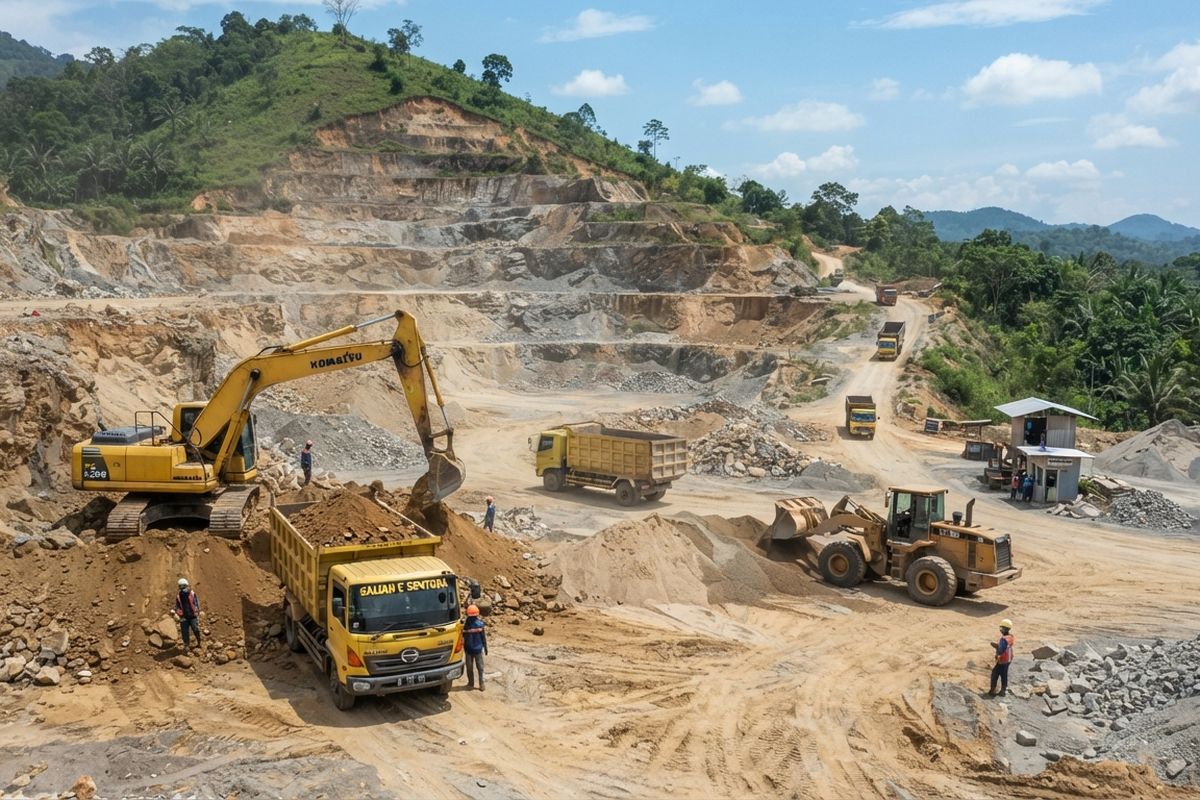
JAKARTA, KOMPAS.com - The management of natural resources in the regions is once again catching the government's attention. This time, the authority for permits related to mineral extraction (galian C), specifically sand and gravel (sirtu), which has been at the provincial level, is likely to be returned to the regency/city governments.
This plan is being prepared by the Minister of Energy and Mineral Resources (ESDM) Bahlil Lahadalia to expedite the handling of significant flood and landslide impacts that struck several areas in Sumatra in November 2025.
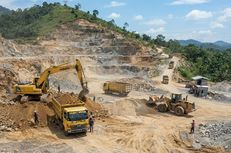
Sand and gravel material accumulating in rivers will be utilized to support normalization efforts while also opening opportunities for cooperation with third parties.
However, this discourse is not merely about hastening disaster response.
The transfer of authority also reignites debates regarding the effectiveness of decentralization, the capacity of local governments to manage natural resources, and the potential for increasing locally generated revenue (PAD).
The return of authority to the regency/city governments does not automatically resolve issues.
Challenges such as limited human resources, differing fiscal capacities, and the risk of permit misuse must be taken into consideration.
So, will returning the authority for galian C permits to regency/city governments serve as a solution for expediting services and enhancing PAD, or will it instead create new problems in the oversight of local mining?
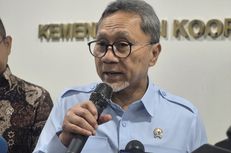
Professor Djohermansyah Djohan from the Institute of Home Affairs (IPDN) argues that, from a decentralization perspective, the authority for managing galian C is indeed more appropriately placed at the regency/city level.
Djohermansyah notes that the division of governance responsibilities among central, provincial, and regency/city governments should consider the complexity and capacity of each level of government.
High-tech issues requiring specialized human resources and significant financing can be managed by the central government.
In contrast, matters with moderate complexity can fall under provincial authority.
Meanwhile, relatively simple matters that directly impact daily community needs should be handled by regency/city governments.
"If we are just talking about galian C, which relates to sirtu, sand, and gravel, that's a relatively light issue in mining. So why should that be managed by the central or provincial government?" Djohermansyah said during a call with KOMPAS.com on Tuesday (10/11/2026).
He argues that managing sand and gravel does not necessitate the technology and expertise required for oil and natural gas management.
Therefore, regency/city governments are believed to have the capacity to handle permits, manage the utilization of materials, and collaborate with third parties.
Beyond the complexity of issues, Djohermansyah explains that returning this authority aligns with the principle of externality in governance.
This principle refers to the government entities or regions most affected by a certain issue.
In the context of galian C, the regency/city communities are the parties most directly impacted by the extraction of sand and gravel, including river sedimentation that can trigger environmental problems or disasters.
"So, externality refers to who is most directly affected by the issue. If sand and gravel are involved, for example, in Aceh, rivers are getting blocked by sand and gravel. Those are the people directly affected, the communities in the regency," he stated.
Djohermansyah believes the proximity of regency/city governments to mining locations or rivers also allows for more direct supervision.
Conversely, provincial governments oversee a broader region, making it more challenging to monitor material extraction activities in every area.
He even suggests that this return of authority should not just be for regency/city governments affected by disasters in Sumatra.
According to him, disaster moments should be viewed as opportunities to evaluate the division of authority more comprehensively.