
Witness Denies Money Transfer from Don Ritto Law Office to Febrie Adriansyah
-
News
-
10 minutes ago
This article was translated by AI. Read the original article on Kompas.com. See Original
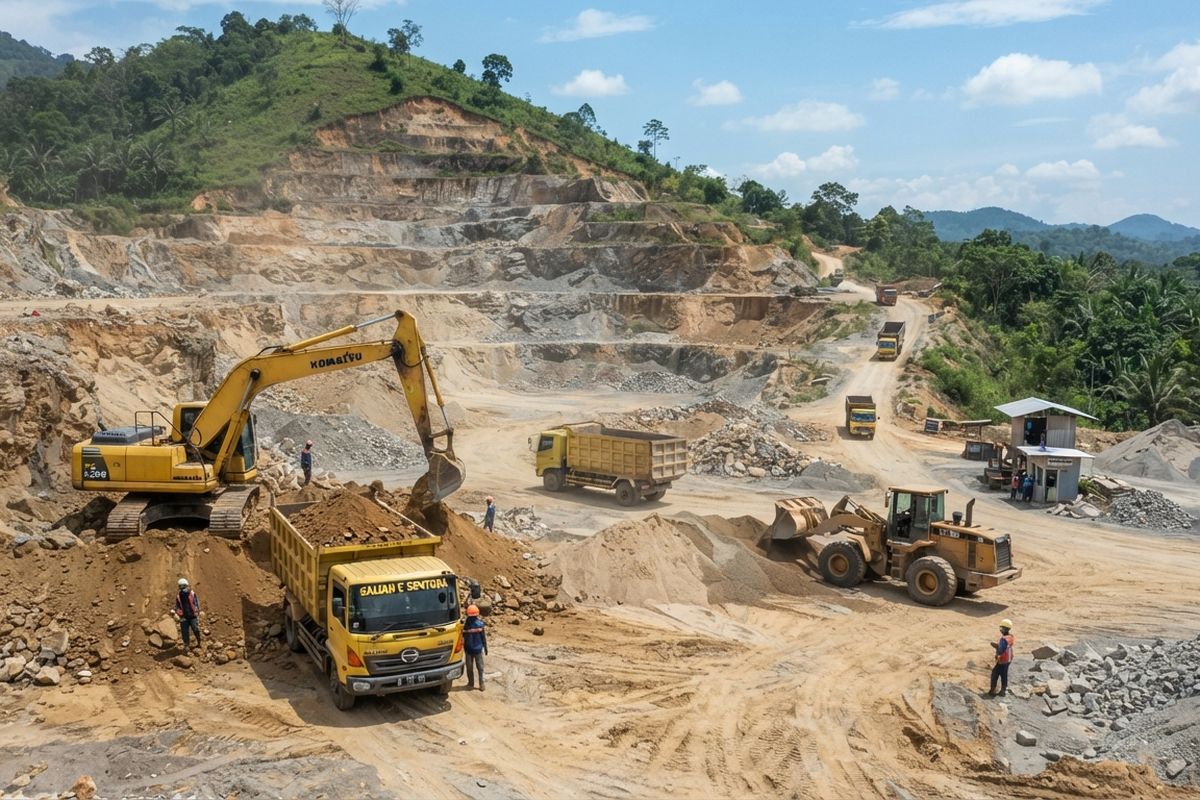
However, Armand warns that these benefits will only be realized if local governments maintain good governance and can account for every material utilization process.
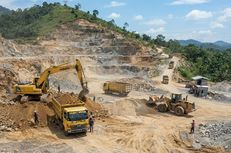
Behind the opportunities for increasing PAD, returning the authority for galian C permits also poses significant risks.
Armand identifies the main issue to anticipate as the capacity for guidance and supervision within regency/city governments.
This is because the capacity of each area varies.
Some regions have adequate human resources and fiscal capacity, while others still struggle to manage mining affairs.
One risk to be vigilant about is the emergence of rent-seeking practices between local governments and third parties given the opportunity to manage sand and gravel materials.
"We must not let that lead to rents between local governments and, for instance, third parties," Armand remarked.
He emphasizes that sediment utilization partnerships must be conducted transparently and accountably.
Local governments also need to ensure that river material utilization is not solely pursued for revenue but remains focused on the primary goals of normalization and environmental sustainability.
Armand adds that the potential for increasing PAD from galian C management cannot be generalized across all regencies/cities.
The level of revenue will greatly depend on the natural resource potential of each region and the quality of its mining governance.
Consequently, he advocates for utilizing digital platforms to enhance transparency and community oversight.
"We hope, for example, to use digital platforms so that community oversight can be visible, including the community being able to see how much revenue potential exists from related sectors, including galian C," he stated.
With a transparent system, communities are expected to be informed of the potential for regional revenue while also monitoring how sand and gravel materials are managed.
Another issue of concern for KPPOD is the disparity in capacity among regions.
Armand revealed that based on data from the Ministry of Home Affairs cited by KPPOD, around 90 percent of regions, particularly regencies/cities, still have low fiscal capacity.
This condition affects local governments' abilities to provide civil servant personnel (ASN) with the competence to manage and oversee mining activities.
In his view, returning authority without strengthening regional capacity may create new problems.
Because the authority for permits not only pertains to issuing licenses but also encompasses guidance, supervision, and control of mining activities.
"This presents a challenge for regency/city governments. It must also be supported by monitoring capabilities from local apparatus," Armand emphasized.
Thus, the government needs to prepare adequate mechanisms for guidance and supervision before broadly transferring this authority.
Strengthening apparatus capacity, ensuring permit transparency, and monitoring cooperation with third parties are some aspects that need attention.