
Witness Denies Money Transfer from Don Ritto Law Office to Febrie Adriansyah
-
News
-
10 minutes ago
This article was translated by AI. Read the original article on Kompas.com. See Original
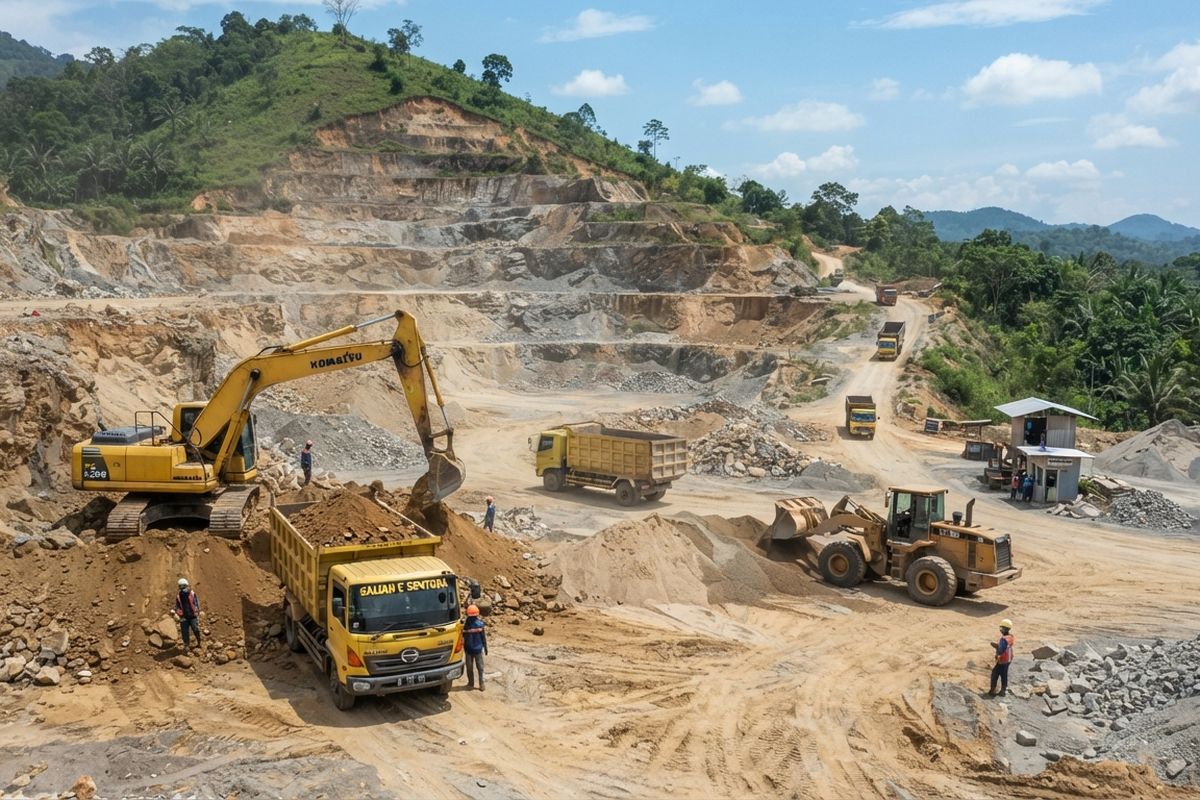
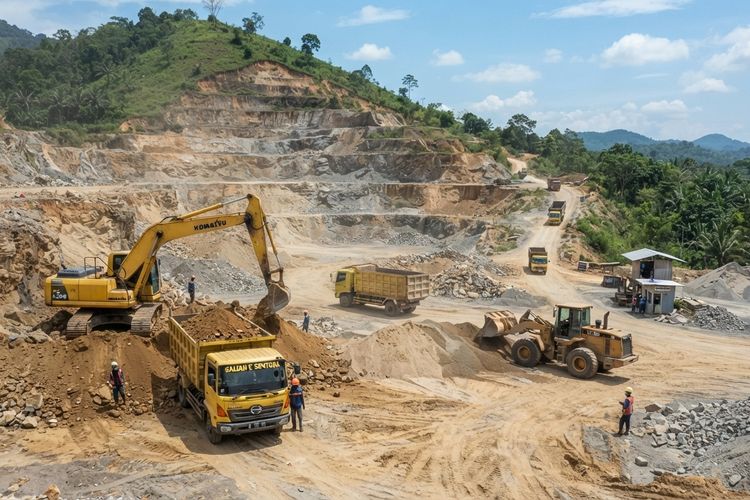
"Therefore, my advice is to take advantage of this momentum and return the management of government affairs in galian C or sirtu to regency/city governments," Djohermansyah said.
Djohermansyah also reminds us that the authority for managing galian C at the regency/city level is not new in Indonesia's governance history.
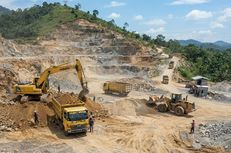
He explains that the management of sand and gravel used to fall under the jurisdiction of local governments, even from the colonial period through to the New Order era.
However, this division should change after the government restructured mining issues through the Law on Minerals and Coal (Minerba).
The authority for managing mining, previously scattered among regions, was then centralized to the central government.
Subsequently, some permit authority was delegated back to provincial governments.
Djohermansyah believes this change has led to challenges in overseeing and addressing mining activities that are located across various regency/city areas.
In his view, both provincial and central governments do not always have teams that are close enough to the site to conduct direct supervision.
"The provincial government is far away, but the regency government is nearby, with the river right there, allowing for direct control and visibility," he said.
He also highlighted bureaucratic concerns.
According to him, managing galian C at the central or provincial level requires bureaucratic support that must reach out to the regency/city areas.
Meanwhile, regency/city governments are considered better positioned to provide guidance and oversight through existing regional offices.
"Regency/city governments already have mining departments. At the regency level, they can have their own apparatus, making it more streamlined. The equipment, development, and supervision do not require overly sophisticated technology," he said.
Thus, he considers the return of galian C authority to regency/city governments is not just a response to disasters but also an essential part of evaluating decentralization in governance.
From a benefits perspective, Executive Director of the Regional Autonomy Implementation Monitoring Committee (KPPOD), Herman Nurcahyadi Suparman, or Armand, sees at least three advantages if the authority for galian C permits is returned to the regency/city level.
First, it allows for faster service and recovery after disasters.
The proximity of regency/city governments to disaster locations, river conditions, and community needs facilitates a quicker decision-making process.
In the context of river normalization, local governments can more easily coordinate the utilization of sediment materials, including sand and gravel that have accumulated.
Thus, bureaucratic chains that previously had to go through provincial governments can be shortened.
Second, it strengthens the fiscal capacity of the region. Regency/city governments can utilize the potential of sand and gravel through cooperation with third parties to generate additional regional revenues.
This aligns with the remarks from Minister of Home Affairs Tito Karnavian, who stated that materials from river normalization can be used for development, while some proceeds from cooperation can contribute to PAD.
Third, it enhances the accountability of local governments.
According to Armand, regency/city governments are closer to the communities, allowing for the utilization of river materials to better meet developmental needs and local conditions.
"Because regency/city governments are closer to disaster areas, river conditions, for instance, and also community needs," Armand said when contacted by Kompas.com on Wednesday (11/11/2026).