

Misconception Behind the Welfare of Healthcare Workers
-
News
-
8 minutes ago
This article was translated by AI. Read the original article on Kompas.com. See Original
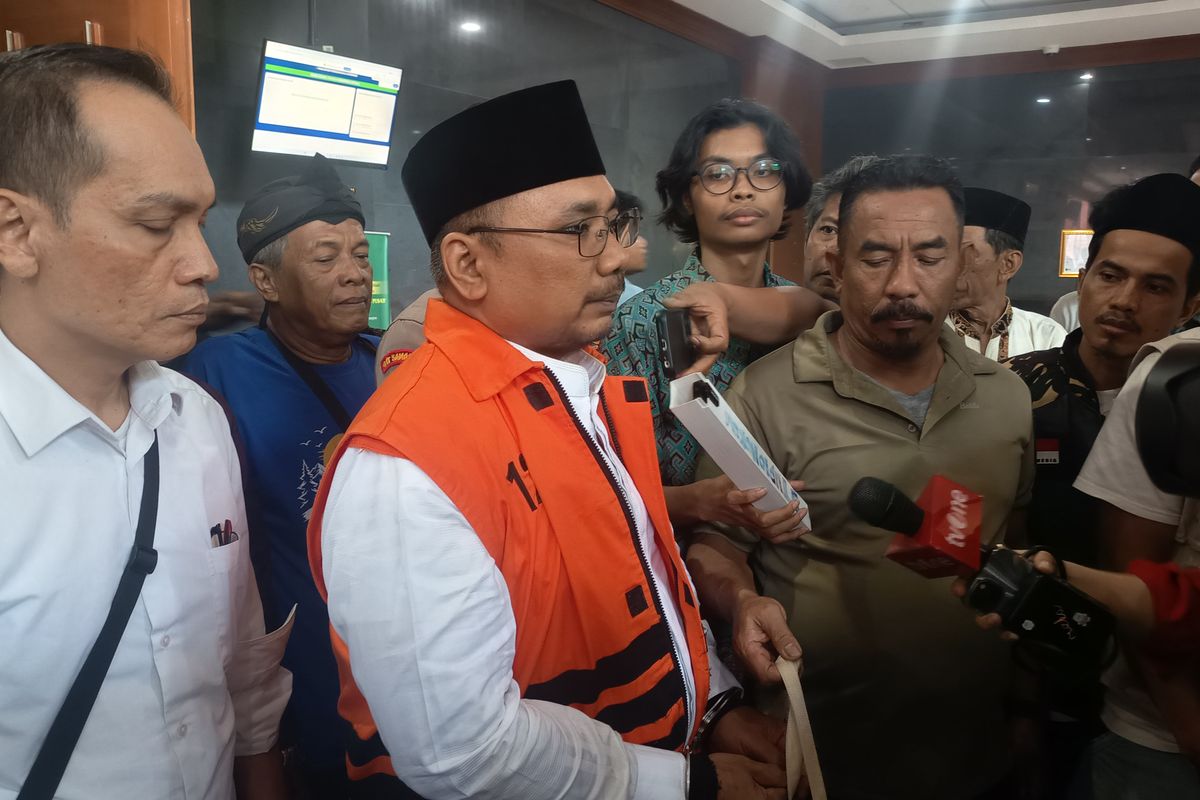
He referred to Article 1 number 10 of Law Number 1 of 2004 concerning State Treasury.
This provision defines state property as items purchased or acquired at the expense of the State Budget or from other legitimate sources.
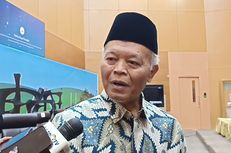
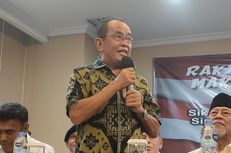
According to Agung, hajj quotas are not obtained through economic transactions and are not recorded as assets in the government's financial reports.
"The government's authority to establish and distribute quotas is an aspect of governance, not proof of asset ownership," he stated.
Agung also distinguished between hajj quotas and the organization of the hajj pilgrimage itself.
He noted that the activities related to the organization of the hajj pilgrimage fall within state finances, but not the quotas.
"It's not the hajj quotas, but the activities related to the hajj pilgrimage that come under state finances," Agung explained.
Apart from the quota issues, Agung also clarified regarding the status of the hajj deposit funds managed by the Hajj Financial Management Agency (BPKH).
He emphasized that these deposit funds are the pilgrims' funds, not state revenue.
"The hajj deposit funds are entrusted funds. Yes, entrusted funds belonging to the pilgrims managed by BPKH. This is very important, this is not state revenue," Agung remarked.
He referenced Articles 6 paragraph 1 and 7 paragraph 1 of Law Number 34 of 2014 concerning Hajj Financial Management.
According to Agung, these provisions affirm that the funds for the costs of hajj organization come from the pilgrims and are classified as entrusted funds.
The ownership of these funds, he noted, does not shift to the state even though they are managed by BPKH.
Agung explained that the deposit funds from the pilgrims are recorded as liabilities in BPKH's financial reports, not as an addition to state wealth.
"To clarify, when these funds are received, they are recorded as liabilities. This financial report will track it as liabilities, not as an increase in wealth," he disclosed.