

Misconception Behind the Welfare of Healthcare Workers
-
News
-
8 minutes ago
This article was translated by AI. Read the original article on Kompas.com. See Original
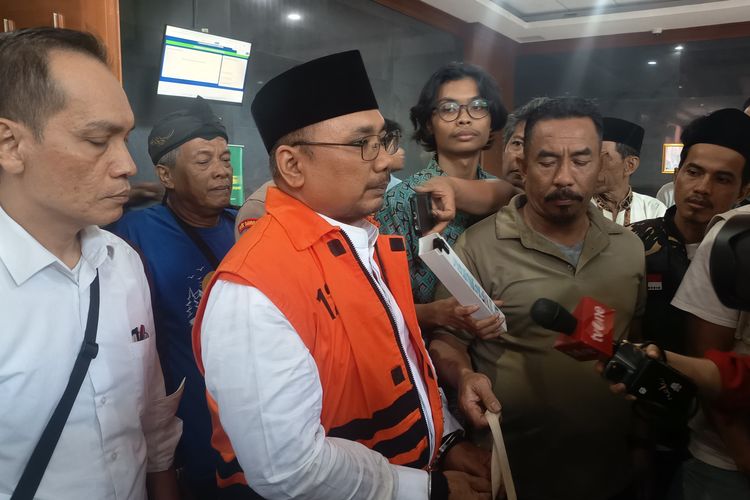
JAKARTA, KOMPAS.com - Former Chairman of the Audit Board of Indonesia (BPK) for the 2019-2022 term, Agung Firman Sampurna, presented several perspectives favorable to former Minister of Religious Affairs Yaqut Cholil Qoumas. What insights did Agung provide?
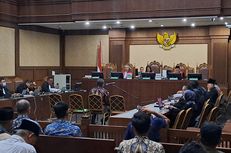
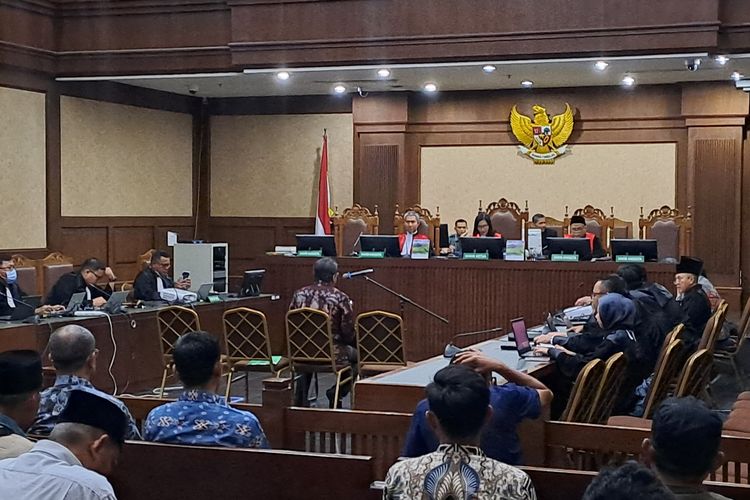
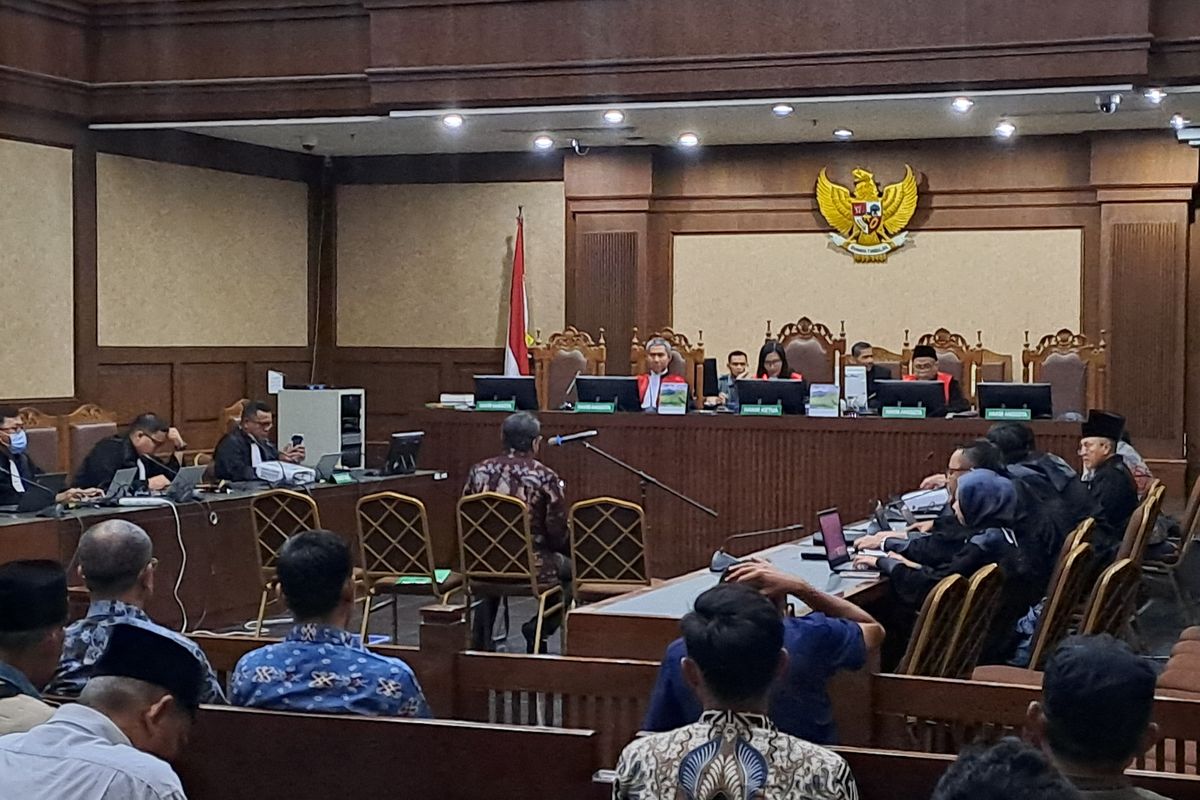
Agung appeared in court for the trial regarding the alleged corruption in the management of additional hajj quotas for 2023-2024.
He was called as an expert witness by Yaqut's legal team at the Central Jakarta Corruption Court on Tuesday (10/11/2026).
Agung emphasized that hajj quotas are not state assets or wealth.
According to Agung, discrepancies in hajj quota allocations are merely administrative matters related to the distribution of opportunities for pilgrims to depart.
He stated that such discrepancies do not automatically result in financial losses to the state.
"Discrepancies in hajj allocation are a legal issue. The use of administrative authority does not constitute financial loss to the state," Agung said.
He referenced Article 1 number 22 of Law Number 1 of 2004 concerning State Treasury, which outlines the definition of state losses.
Agung explained that state losses must involve deficiencies in funds, securities, and tangible assets with a definite quantity resulting from unlawful acts.
Thus, he argued, administrative discrepancies in the allocation of hajj quotas do not meet the criteria for state loss if they do not lead to a decrease in state wealth.
However, Agung did not deny that alleged unlawful acts in the allocation of hajj quotas must still be accounted for.
He reminded that any assertion of state loss must be substantiated, not merely assumed.
Agung clarified that the hajj quotas are administrative allocations provided by the Saudi Arabian government to Indonesia based on agreements between the two countries.
The Indonesian government indeed has the authority to regulate the distribution of these quotas. However, this authority does not render hajj quotas as state assets.
"Hajj quotas are not assets or property of the state. I repeat, hajj quotas are not assets or property of the state," Agung asserted.