
DKPP Hearing: KPU Denies Restrictions on Silon Access to Bawaslu
-
News
-
3 minutes ago
This article was translated by AI. Read the original article on Kompas.com. See Original
His popularity has been tested repeatedly by the voice of the people, not by viewership numbers.
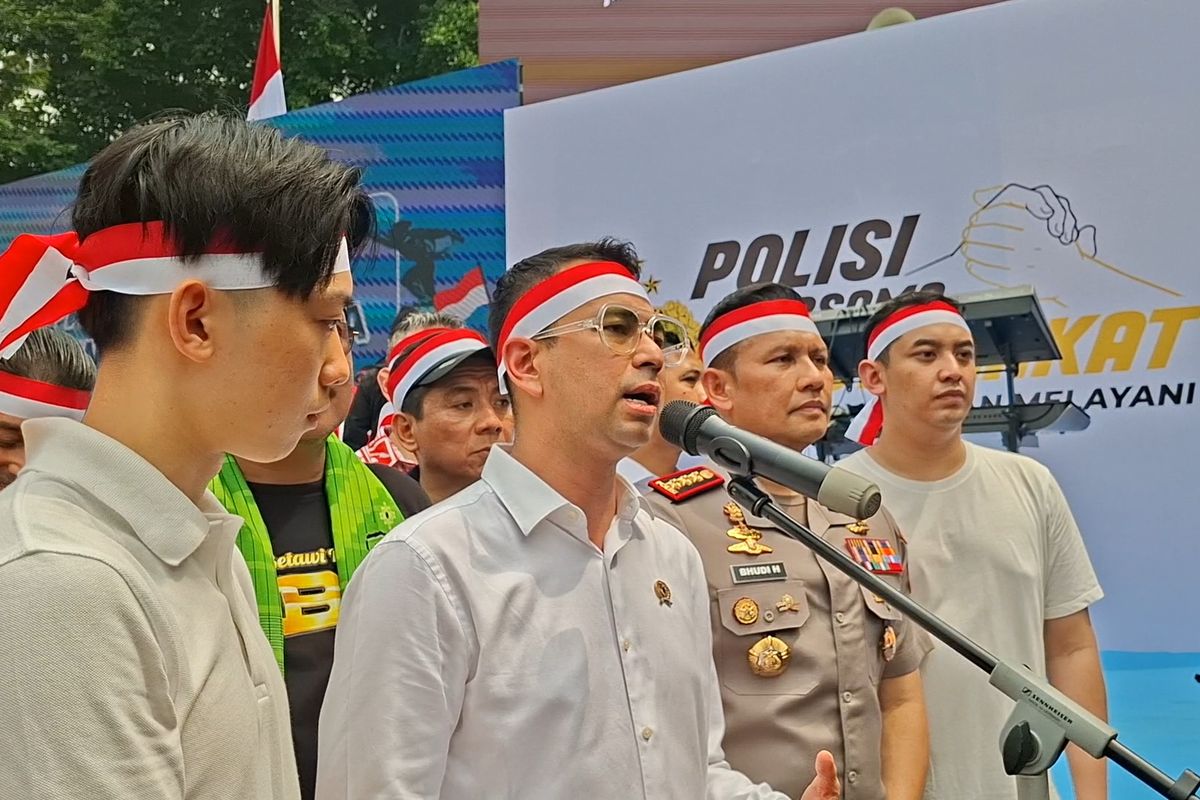
Raffi, on the other hand, takes an entirely different path. From being a host who is comfortable with light gossip and family content, he jumped directly into the role of Special Presidential Envoy for Youth Empowerment and Arts.
There was no party cadre training, no campaign to test his ideas, and no voters to grant him a mandate.
His position arose from his closeness to the corridors of power across administrations.
This represents a new form of vertical political mobility, rapid, instant, and nearly devoid of challenges.
Pierre Bourdieu helps explain why such leaps can happen.
In his framework, capital can be exchanged from one arena to another.
Raffi possesses substantial economic capital, with reported wealth around IDR 1 trillion (KPK, 2025), and symbolic capital in the form of tens of millions of followers on social media.
Power requires that symbolic capital to reach the youth, while Raffi gains political capital via a state position.
This exchange appears mutually beneficial, yet it leaves fundamental issues unresolved.
The symbolic capital lent to power does not automatically transform into legitimacy.
Why does power so desperately need a face like this? The answer lies in the deepening crisis of trust.
The House of Representatives ranks at the bottom in public trust among state institutions (Indikator, January 2026), and parties are increasingly distant from the youth.
As formal political channels lose their appeal, celebrities become a shortcut to reach a generation that no longer reads speeches or watches parliamentary debates.
Celebrities are employed as bridges, not because of their ideas, but rather because of their reach.