

Problems Arise from Flagship Programs and the President's Circle of Power
-
News
-
4 minutes ago
This article was translated by AI. Read the original article on Kompas.com. See Original
However, this increase highlights the enormity of the challenges in controlling fires, especially when the haze disrupts air quality and has the potential for cross-border impacts.
Karhutla is also linked to peatland conditions, land clearing practices, plantation management, and law enforcement.
Therefore, emergency firefighting must proceed alongside prevention, ecosystem recovery, and oversight of those proven responsible for the fires.
For Malaysia, haze becomes a public health and economic issue, while for Indonesia, the impacts also affect its international reputation.
When such issues recur, neighboring countries may question the consistency between Indonesia's commitments to regional cooperation and actual policies on the ground.
Indonesia has a framework for cooperation to address haze pollution through the ASEAN Agreement on Transboundary Haze Pollution (AATHP).
This regional agreement provides a framework for prevention, monitoring, information exchange, and cooperation in handling cross-border fire outbreaks.
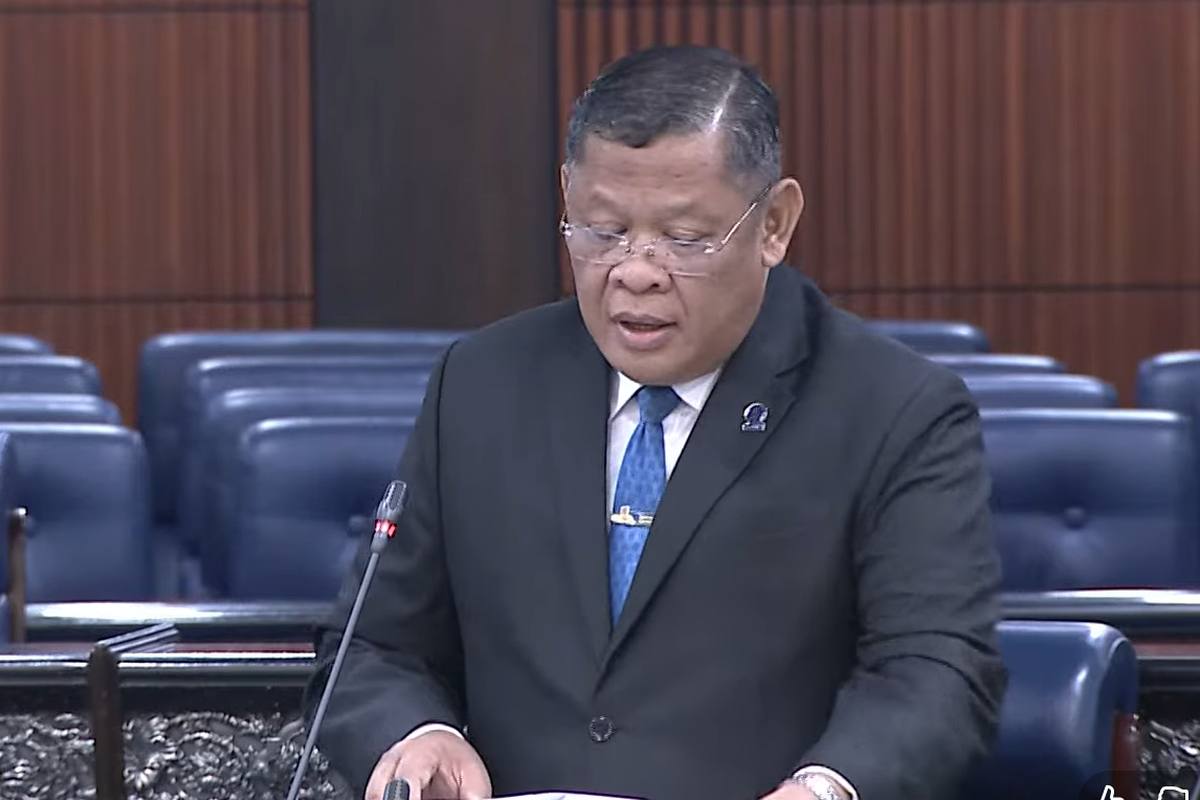
In his speech, Kalam urged for strengthened joint law enforcement, satellite-based early warning systems, regional rapid response teams, and funding for fire prevention and peat restoration.
These proposals illustrate that resolving karhutla demands more coordinated regional efforts, alongside clear accountability for actions causing pollution.
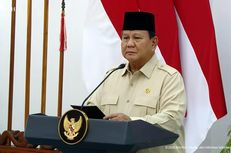
His main appeal to President Prabowo was encapsulated in the phrase “Pak Prabowo, tulung masalah iki enggal ditangani”, meaning Pak Prabowo, please address this issue promptly.
He added, “Kobongan alas kudu dipateni”, or forest fires must be extinguished, as a direct demand for the government to take concrete action.
Kalam then expressed his hope, “Kita kabeh pengin langit padhang gumebyar, udarane resik, ambegane lega, lan uripe sehat saklawase”.
This means everyone wants a bright sky, clean air, smooth breathing, and a healthy life.
A conclusion that brings the political debate back to the basic needs of society.
For Indonesia, this message must be responded to through transparency in karhutla data, consistent law enforcement, peat restoration, and active communication with affected countries.
The success of environmental diplomacy must be measured by a decrease in the burned land area, fewer recurring fires, improved air quality, and faster responses to hotspots.
Kalam Salan's speech, while not an official diplomatic note from the Malaysian government, serves as a political signal that Indonesia should heed.
The alarm for Indonesian diplomacy lies in the risk when recurring ecological issues erode the trust of neighboring nations and weaken the credibility of regional commitments.
The greeting “How are you, Pak Prabowo?” at the beginning of the speech reflects the cultural closeness that transcends national borders, while the demand for fire extinguishing indicates the limits of that closeness.
Indonesian diplomacy will be stronger when cultural fraternity is accompanied by ecological responsibility, measurable policies, and sincerity in protecting communities from the impacts of karhutla.