

No Wapres, No Problem
-
News
-
10 minutes ago
This article was translated by AI. Read the original article on Kompas.com. See Original
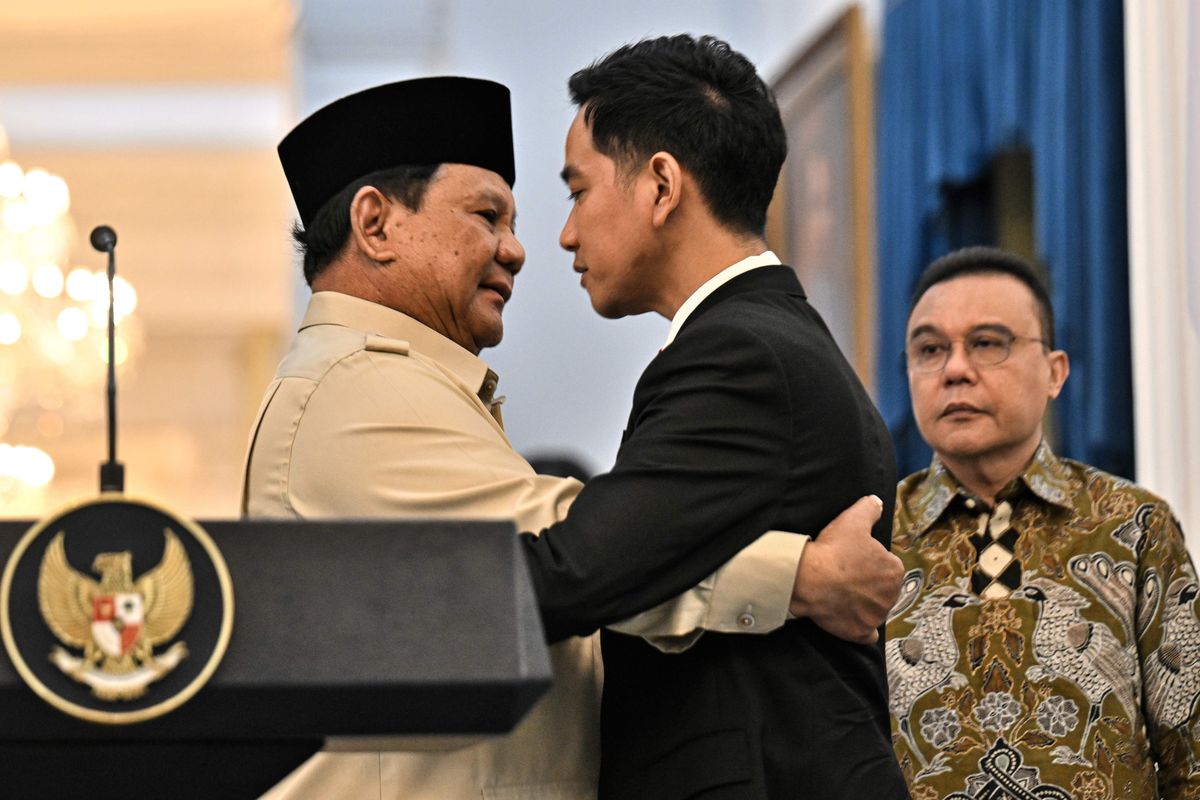
IN Indonesian politics, loyalty often lasts until interests change.
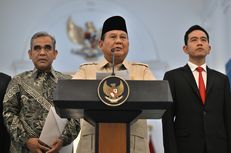
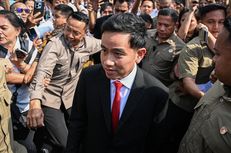
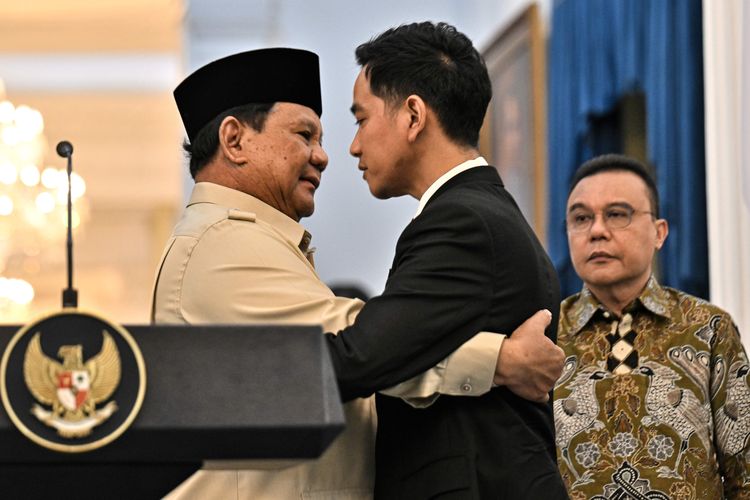
The resignation of Gibran Rakabuming Raka from the vice presidential position, as reported on November 12, 2026, brings an interesting political irony.
Gibran has lost support, but the government coalition remains intact.
Parties are beginning to distance themselves from a figure, without displaying the same desire to abandon power.
This event raises fundamental questions about the nature of political coalitions in Indonesia.
Is party loyalty based on solidarity, shared ideology, and commitment to a common agenda, or is it more determined by calculations of interest and access to power?
Gibran's resignation illustrates that in Indonesian politics, loyalty to a figure can end when its strategic value changes, while relationships with power remain intact.
Gibran holds strategic value in the political landscape ahead of the 2024 elections.
His presence is part of a political compromise between Prabowo Subianto and the power network of Joko Widodo.
Gibran also brings electoral advantages through Jokowi's popularity, which can be explained using the concept of coattail effect, namely the electoral impact of a figure on candidates or parties benefiting from their popularity.
However, the strategic value of a political actor is not permanent.
After Prabowo won the presidential election and took control of the government, the political center of gravity shifted.
The president becomes the key holder of resources in power distribution, while the need to maintain symbolic ties with Jokowi no longer holds the same weight as during the electoral contest.
In this configuration, Gibran faces a change in position.
His political value as a link between Prabowo and Jokowi is likely to diminish when Prabowo gains electoral legitimacy and control over the executive institutions.
Support for Gibran, previously part of a political compromise, can become a burden as controversies arise and the costs of maintaining him increase.
Parties then have a relatively straightforward choice.
They can distance themselves from Gibran without leaving Prabowo's government.
Calculatively, this strategy offers a dual advantage.
Parties can avoid reputational risks due to a controversial figure while also maintaining access to power, positions, and political resources.
Here, the transactional nature of Indonesian coalitions becomes apparent. Political solidarity does not always bind actors.
When interests change, commitments to individuals can be revoked, while relationships with the power center remain intact.