

Problems Arise from Flagship Programs and the President's Circle of Power
-
News
-
4 minutes ago
This article was translated by AI. Read the original article on Kompas.com. See Original
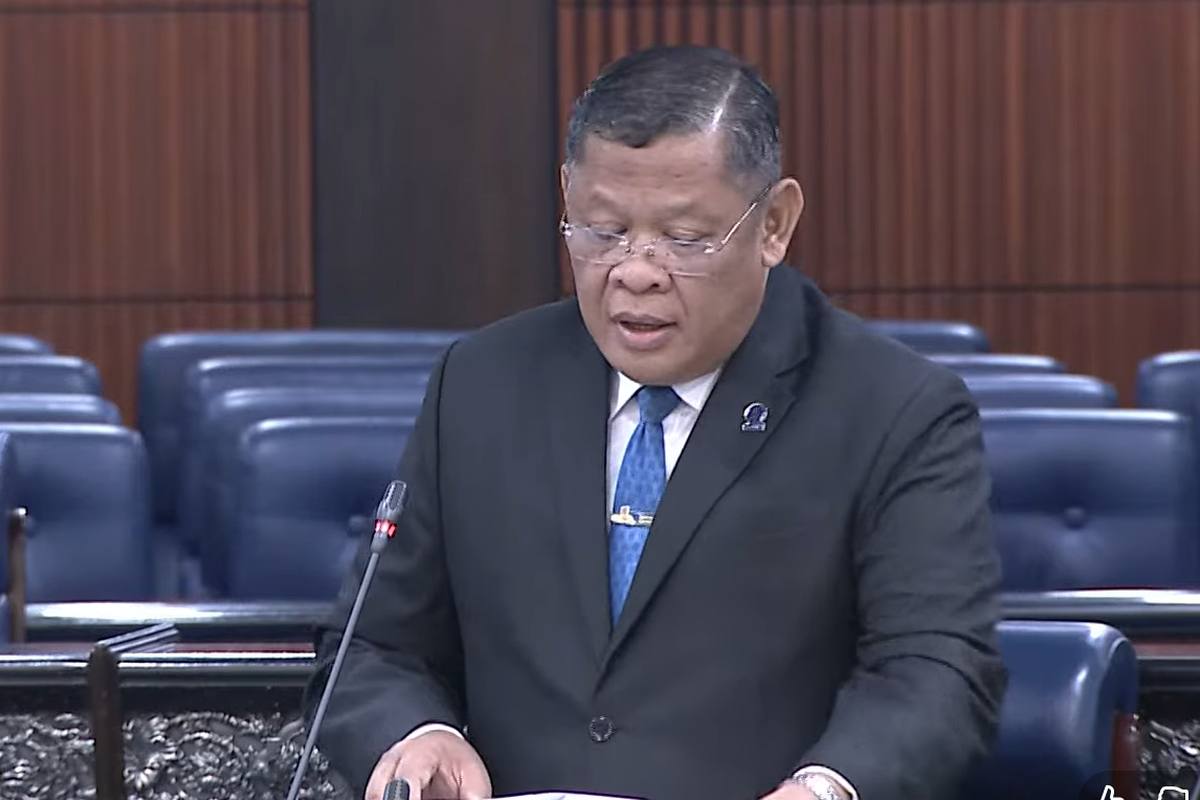
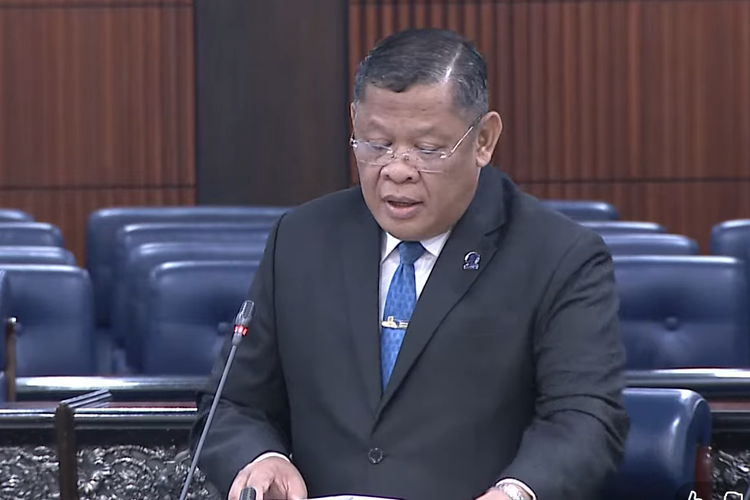
THE SPEECH by Malaysian parliament member Kalam Salan, who used Javanese to highlight the forest and land fires (karhutla) in Indonesia on October 21, 2026, marks a significant moment in the relationship between the two nations.
Before the Malaysian Parliament, he delivered a direct message to President Prabowo Subianto regarding the transboundary haze, public health disruptions, and economic losses suffered by Malaysians and Indonesian migrant workers.
“How are you, Pak Prabowo?” became a greeting that signified Kalam's transition from Malay to Javanese.
Behind this seemingly familiar expression lies a political admonition concerning the ecological issues that continuously test Indonesia's ability to protect its citizens while simultaneously upholding the trust of neighboring countries.
Kalam began his address with the phrase “Assalamualaikum, Pak Prabowo”, and continued with “Paringi waras, nggih”, which means may you always be healthy.
This greeting builds a cultural bond before redirecting the Parliament's focus to the recurring haze and its impacts on cross-border communities.
The choice of Javanese carries symbolic meaning in Indonesia–Malaysia relations, shaped by a history of migration, trade, and cultural ties.
The presence of the Javanese community in Malaysia provides a social context for using the language as a medium for cross-country political communication.
Kalam explained his choice by stating that some Indonesian leaders might not understand Malay, hence he asked for permission to speak in Javanese.
This statement is a rhetorical strategy rather than proof that Indonesian and Malay serve as barriers to diplomatic communication.
After the greeting, Kalam addressed the main issue with the expression “Kulo arep ngomong soal kabut asep sing saben tahun kok meneh songko Indonesia nganti Malaysia”.
This means he wanted to discuss the annual haze that flows from Indonesia to Malaysia.
A sentence that turns environmental issues into a direct reprimand to the head of state.
He then asserted, “Asep songko kobongan alas kuwi nggawe wong Malaysia susah arep ambekan”, meaning that smoke from the forest fires makes it hard for Malaysians to breathe.
This sentence illustrates Kalam's emphasis on public health as the foundation of his criticism, indicating that the issue of karhutla goes beyond just debating the source of the fires.