

UI Law Professor Critiques Perception that MPR Cannot Make Regulations
-
News
-
14 minutes ago
This article was translated by AI. Read the original article on Kompas.com. See Original
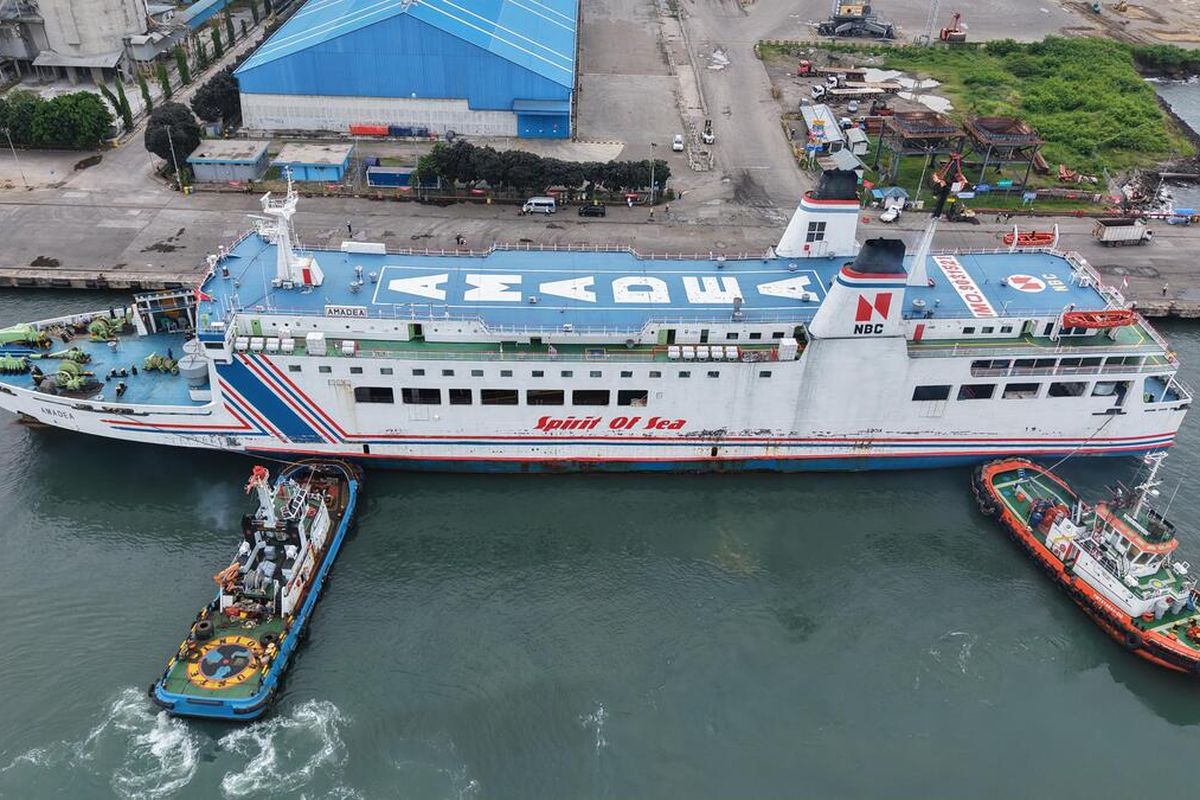
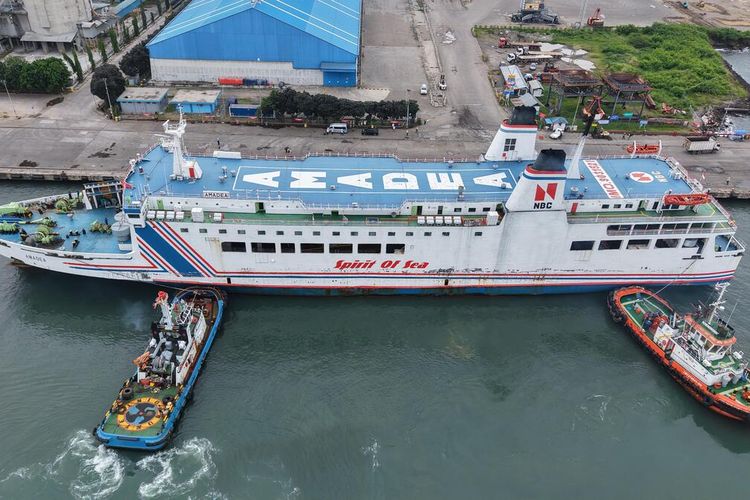
SHIP RoRo, short for Roll-on/roll-off, refers to vessels that load and unload vehicles through a ramp.
At a glance, all RoRo ships may look similar. However, beneath their similar appearances, there are two classes of ships with vastly different capabilities.
The first class is designed for calm waters and short distances. These ships are built for quick back-and-forth trips in narrow straits or coastal waters with small waves.
They often feature ramps at both the bow and stern, so the vessel does not need to turn when docking.
Their engines are agile for maneuverability, passenger spaces are typically equipped with simple seating, and safety equipment is tailored for journeys lasting just one or two hours.
The second class is for open seas and long distances. Their hulls are stronger to withstand wave impacts.
They have more watertight compartments, allowing the ship to remain afloat even if part of the hull is compromised.
Their doors are weatherproof, vehicles inside are secured with adequate safety systems, and these ships come equipped with lifeboats, long-range communication devices, cabins, and larger, more trained crews.
This class of ship is made to endure hours or even days away from land.
The analogy is simple: calm water vessels are like reliable minibuses on city streets, while open-sea vessels akin to inter-island buses ready to traverse long routes.
Both are equally important, provided they are used on the appropriate routes.
Challenges arise when calm water vessels are diverted to longer routes or those with larger waves.
This typically happens not out of malice, but due to urgent needs: a surge in demand during peak seasons, breakdowns of other vessels, or temporary openings for new routes with limited available fleets.
Some of our ships are also imported second-hand vessels originally designed for protected waters in their countries of origin.
According to regulations, every ship has a certificate indicating the areas it is authorized to navigate.
Ships are only allowed to operate within those boundaries, unless they have been reassessed and modified to meet the standards for a wider navigation area.
The good news is that this regulatory framework is already in place. Our homework is to ensure that these rules are genuinely enforced at every port and for every departure.
Why is this compliance important? In open waters, calm water vessels are more prone to rolling.
If the vehicles inside are not securely fastened, loads can shift to one side, causing the vessel to tilt.
If seawater enters a large deck area devoid of partitions, the water will flow to the lower side and exacerbate the tilt.
In maritime science, this phenomenon is known as free surface effect, and many RoRo ship accidents worldwide begin with a series of events like this.
It is important to emphasize that using ships outside their class is rarely the sole cause of accidents.
Safety experts refer to this as latent conditions, defining factors that quietly diminish the safety reserve of a vessel.