
UI Law Professor Critiques Perception that MPR Cannot Make Regulations
-
News
-
Just now
This article was translated by AI. Read the original article on Kompas.com. See Original
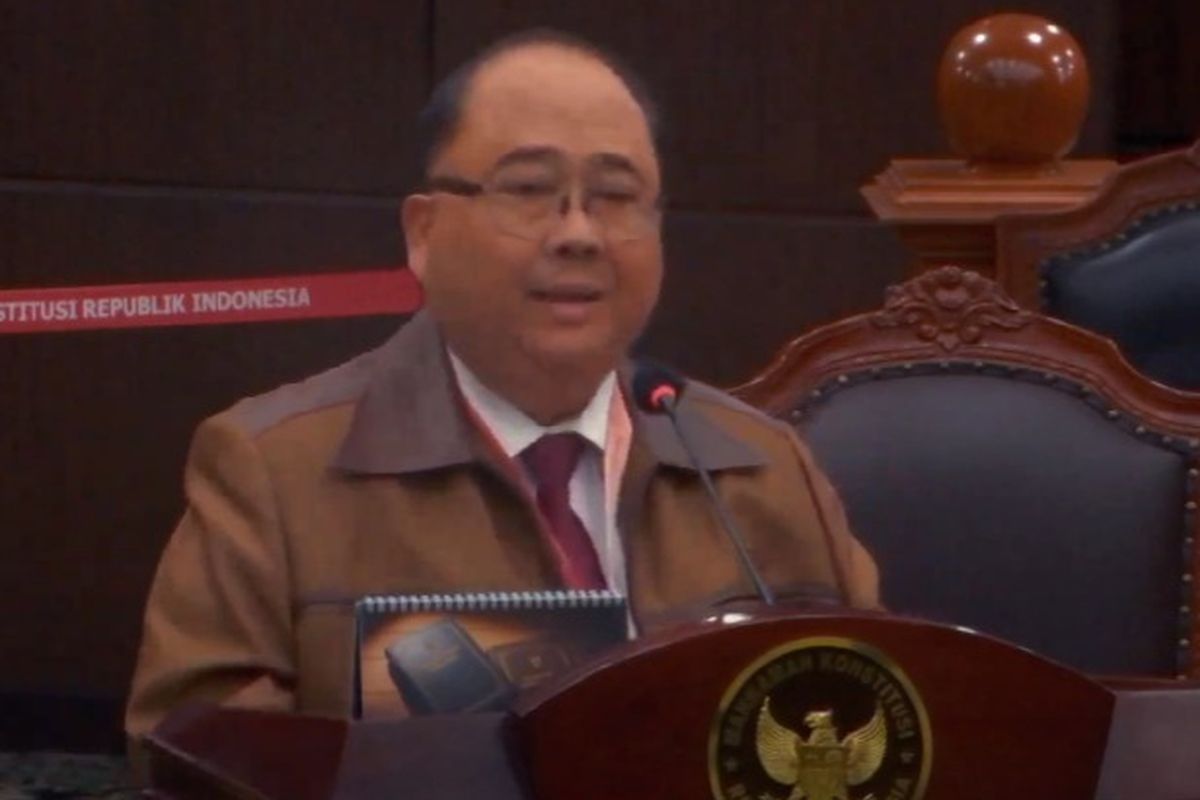
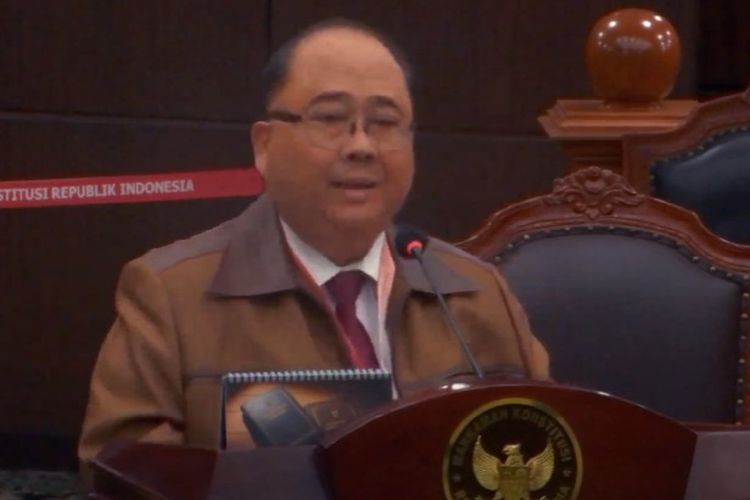
JAKARTA, KOMPAS.com - Satya Arinanto, a professor at the Faculty of Law of the University of Indonesia (FHUI), criticized the prevailing perception that the People's Consultative Assembly (MPR) is not permitted to issue regulations.
"This is actually a critique I have. If this perception extends to schools, universities, and even secondary schools, it suggests that the MPR should not create regulations or rulings. In my opinion, that is incorrect," said Satya during a discussion titled 'Curhat Pendapat tentang Urgensi dan Substansi Pokok-Pokok Haluan Negara' held at the Senayan Parliament Complex in Jakarta on Friday (27/11/2026).
Satya made this criticism while elaborating on the issue of legal vacuums related to the Guiding Principles of State Policy (PPHN) following the amendment of the 1945 Constitution between 1999-2002, which removed the MPR's authority to establish the Broad Guidelines of State Policy (GBHN).
He explained that, according to constitutional law theory, every state institution is permitted to create regulations.
Satya then compared the position of the MPR with that of neighborhood association (RT) regulations.
"If even RT can create rules regarding guest registration within 3x24 hours, why can't the MPR, which we established as a supremely important institution, issue regulations?" he argued.
In his view, there is nothing wrong with the MPR forming regulations, including the GBHN.
The function of the MPR is called into question if no regulations are established.
"What is the purpose of having an MPR if such an institution is not allowed to create regulations? This is also my criticism about amendments or constitutional changes," he emphasized.
According to Satya, to address the existing legal vacuum, the MPR as a state institution can issue MPR Decrees (Tap MPR) under the 1945 Constitution without the need to amend the Constitution itself.
He mentioned that the entry point for this could be through procedural regulations, such as those initiated in the 2019 procedural regulations which included types of decisions with binding legal force.