
The History of Power that Twists the Rules
-
News
-
1 minute ago
This article was translated by AI. Read the original article on Kompas.com. See Original
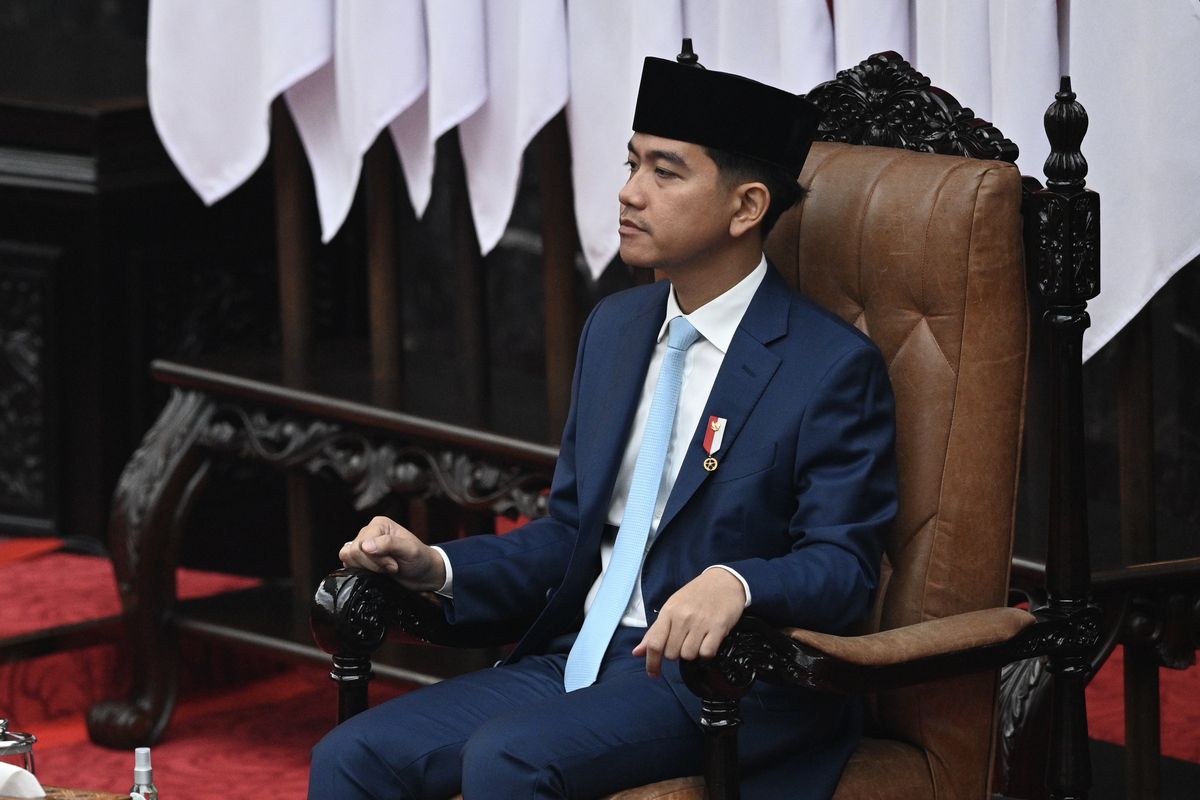
GIBRAN Rakabuming Raka is wise. He asserts that power has its limits, while preserving dignity can transcend a term in office.
A leader should understand that they are tested not by their courage to hold onto power, but by their ability to let go of their position to uphold dignity and the interests of the nation.
This is how I interpret the news of Vice President Gibran Rakabuming Raka’s resignation on Wednesday (11/11/2026).
This news presents an important moment in Indonesia's governance.
After expressing his intention to resign to President Prabowo Subianto the day before, Gibran reportedly submitted his resignation letter at Halim Perdanakusuma Air Force Base.
This development unfolded as 120 members of the House of Representatives from eight factions proposed a statement of opinion regarding the legitimacy of Gibran’s educational documents.
This proposal opened the door for a potential dismissal through constitutional mechanisms.
If his resignation is completed following constitutional procedures, Gibran has chosen a path different from facing impeachment.
The question is no longer merely why Gibran resigned, but whether this resignation can serve as a moment to restore personal honor, uphold the dignity of the presidency, and redirect the nation’s energy back to the people's interests.
Max Weber, in Economy and Society, explains that power needs legitimacy to gain public acceptance.
David Beetham, in The Legitimation of Power (1991), emphasizes that legitimacy is not solely based on legality but also on normative justification and public approval.
This means that the legality of power and moral legitimacy do not always align.
In Gibran's case, the electoral mandate from the 2024 elections does not automatically dissolve due to the controversy surrounding his educational documents.
However, judicial decisions regarding the administrative documents used for his candidacy raise legal issues that need to be resolved transparently.
As this issue evolves into a debate about the constitutional qualifications for the position, questions arise concerning the sustainability of public legitimacy.
A leader may have a legal right to remain but must still consider the moral and political consequences of continuing in power.
Here, the resignation acquires a broader significance.
It can represent a choice to separate personal interests from national interests, without being interpreted as an admission of fault.
Power that is maintained while ignoring trust issues risks experiencing legitimacy erosion.
Conversely, the willingness to limit power can pave the way for rebuilding public trust.