
The Dilemma of the "Joint Ticket": Weighing Ethical Legitimacy and Constitutional Resilience
-
News
-
Just now
This article was translated by AI. Read the original article on Kompas.com. See Original
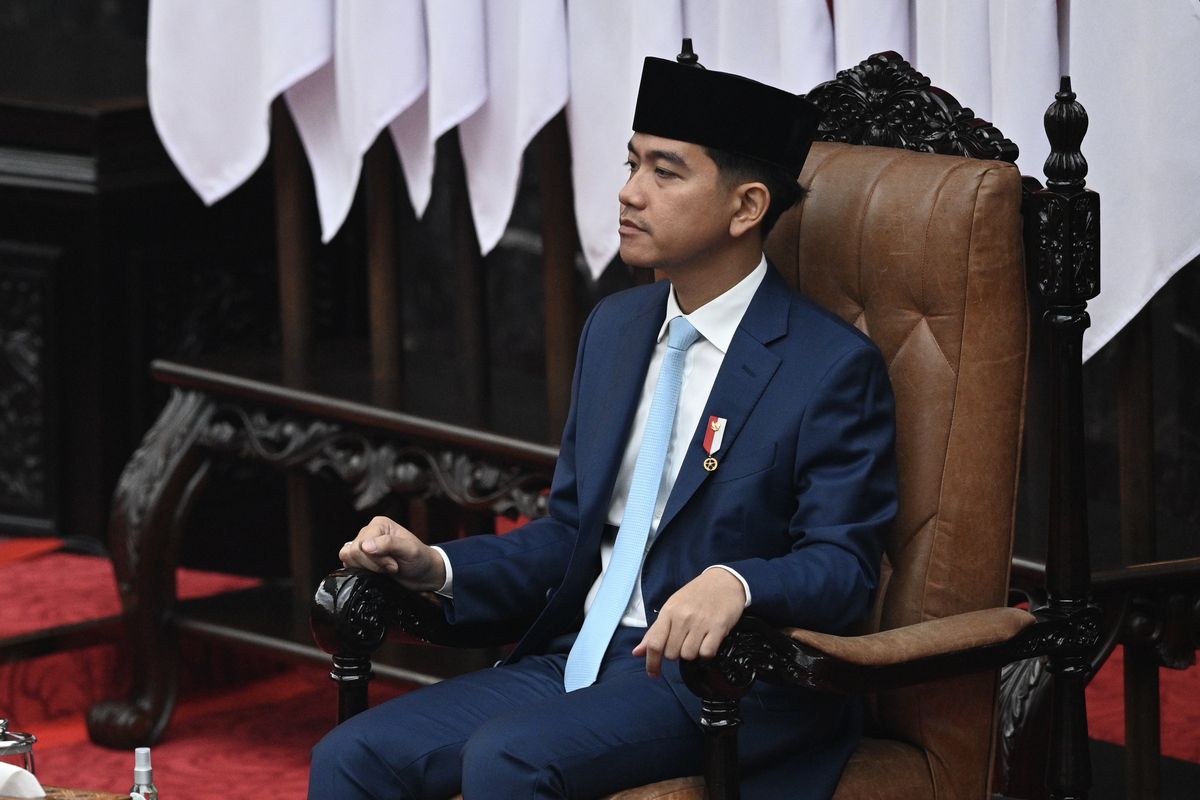
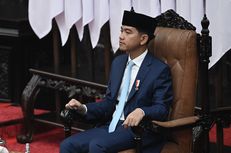
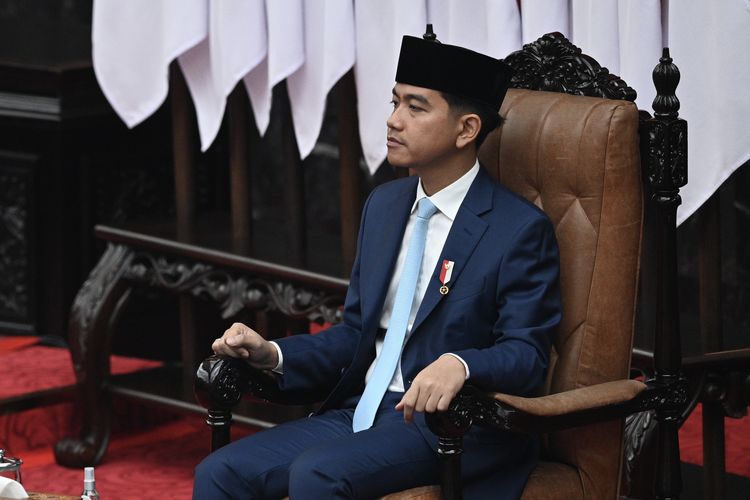
Gibran's power has never been free from controversy. The public still remembers that his candidacy became possible after a Constitutional Court decision that altered the age requirements for presidential and vice-presidential candidates.
That ruling, regardless of its legal arguments, has been perceived by many as a door intentionally opened for one individual.
From that moment on, every step Gibran took was shadowed by the question: does he occupy that position because he meets the requirements, or because the requirements were adjusted?
This controversy then extended to his educational documents. From diploma equivalency to the validity of candidacy requirements, as one issue was unresolved, another arose.
As a result, the debate shifted from mere administrative matters to discussions about legitimacy.
When legitimacy is continually questioned, the vice presidency, which should be a platform to serve the people, instead becomes a source of endless turmoil.
Thus, Gibran's resignation cannot merely be viewed as the end of a term.
It is a decision to leave a position that has been mired in controversy from the start.
If he had stayed, the polemics would have inescapably followed him wherever he went.
By stepping down, he severs that chain. He no longer needs to defend a power that is perpetually questioned, and the state no longer needs to expend energy addressing the same recurring issue.
In Jurgen Habermas's thinking, democratic legitimacy relates to the willingness of power to be accountable through a rational public process.
Meanwhile, Weber's ethics of responsibility remind us that political actions must consider their consequences, not simply adhere to personal convictions.
From a constitutional ethics perspective, resignation can hold moral significance when undertaken consciously to avoid greater harm to the life of the nation.
The momentum of National Heroes Day, recently observed on November 10, offers interesting reflection.
The heroes sacrificed personal interests for the independence of the nation.
In modern democracy, that spirit of sacrifice can be interpreted as the willingness to place the people's interests above the continuation of power.
However, moral heroism does not merely arise from the act of resigning.
It is also determined by the sincerity of the reasons, respect for the law, and the willingness to be accountable for decisions.
Resigning with the spirit of moral heroism of the constitution is not just about relinquishing an embattled power. It's about saving dignity and the interests of the people.
Because power entangled in controversy deepens pressing issues: poverty, inequality, job creation, education, and legal justice.