
The Dilemma of the "Joint Ticket": Weighing Ethical Legitimacy and Constitutional Resilience
-
News
-
Just now
This article was translated by AI. Read the original article on Kompas.com. See Original
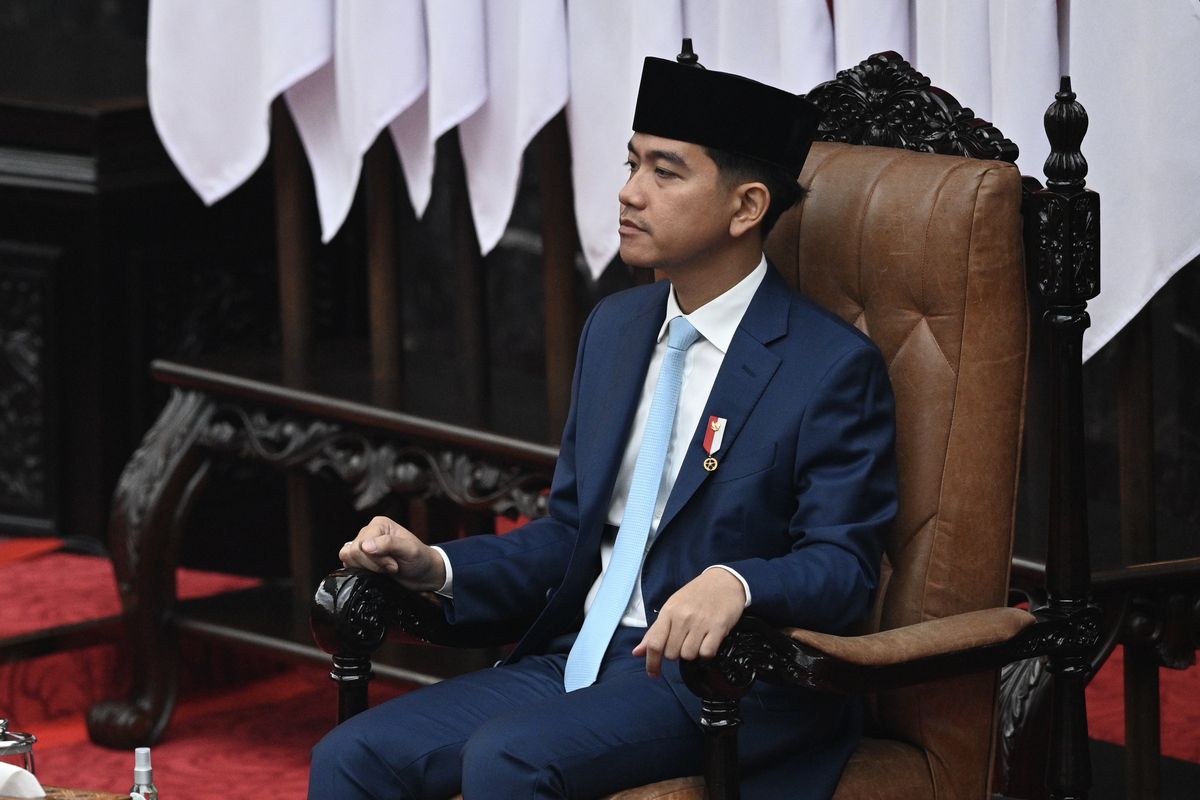
The nation’s energy should not remain held hostage by controversies surrounding a single official, while the interests of the people await resolution.
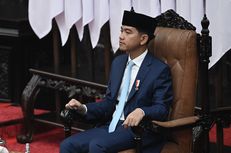
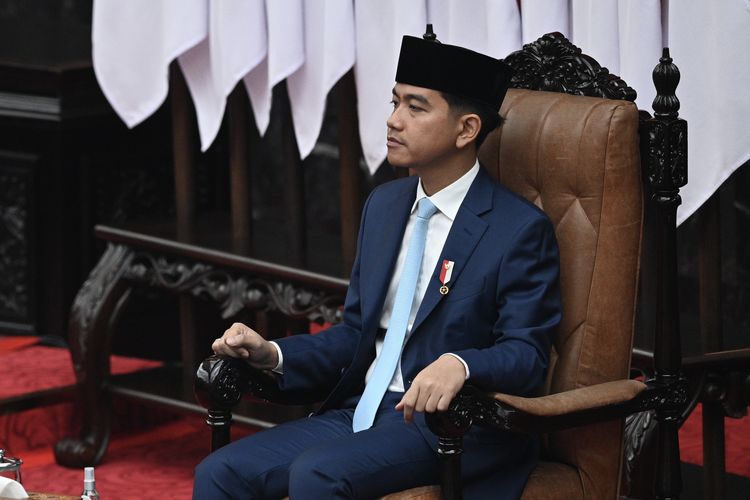
Gibran's resignation opens the opportunity for all state institutions to demonstrate constitutional maturity.
The President must ensure governmental continuity, the House of Representatives must exercise oversight responsibly, and the People's Consultative Assembly must guarantee the orderly conduct of constitutional processes.
From a moral standpoint, history judges not just how one gains power, but also how he leaves it.
Leaving a position does not necessarily mean losing honor.
Conversely, retaining power does not automatically preserve dignity.
When Gibran’s resignation is concluded in an orderly, transparent, and responsible manner, this event can serve as a lesson that the constitution not only regulates how power is acquired but also how it can be ended with dignity.
For power has a time limit. The dignity of a statesman is tested far beyond their term in office.
Thus, Gibran's choice to resign can be seen as an opportunity to showcase constitutional moral responsibility, as long as it is followed by an open legal resolution and does not turn resignation into a means of evading accountability.
Political history shows that leaving one’s position does not always equate to defeat.
Setya Novanto resigned as Speaker of the House on December 16, 2015, when the Honorary Board was processing the ethical case known as the 'Papa Minta Saham' (Papa Wants Shares).
This decision was made before the ethical process yielded a final ruling.
Novanto’s resignation did not erase ethical or legal responsibilities.
However, this incident illustrates how officials can choose to leave their positions when institutional pressures become greater.
President Suharto also resigned on May 21, 1998, after facing a multidimensional crisis and demands for reform.
The context is undoubtedly different, but it teaches that the sustainability of power cannot be separated from political support and public acceptance.
In the UK, Boris Johnson announced his resignation as leader of the Conservative Party in July 2022 after losing support within his government.
Each of these events has different backgrounds and legal consequences. Therefore, it is not appropriate to directly compare them with Gibran.
However, one important lesson remains: public office is not a personal possession.
The ability to determine when to leave power is part of the responsibility of statesmanship.