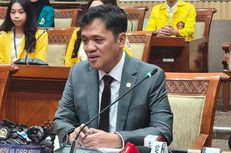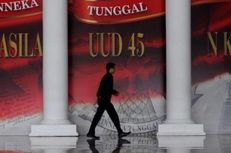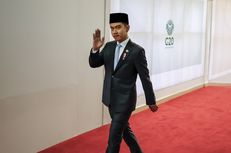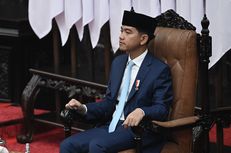

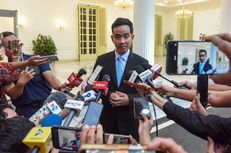
MPR Leaders Arrive at Parliamentary Complex as Gibran Expected to Submit Resignation
-
News
-
1 minute ago
This article was translated by AI. Read the original article on Kompas.com. See Original
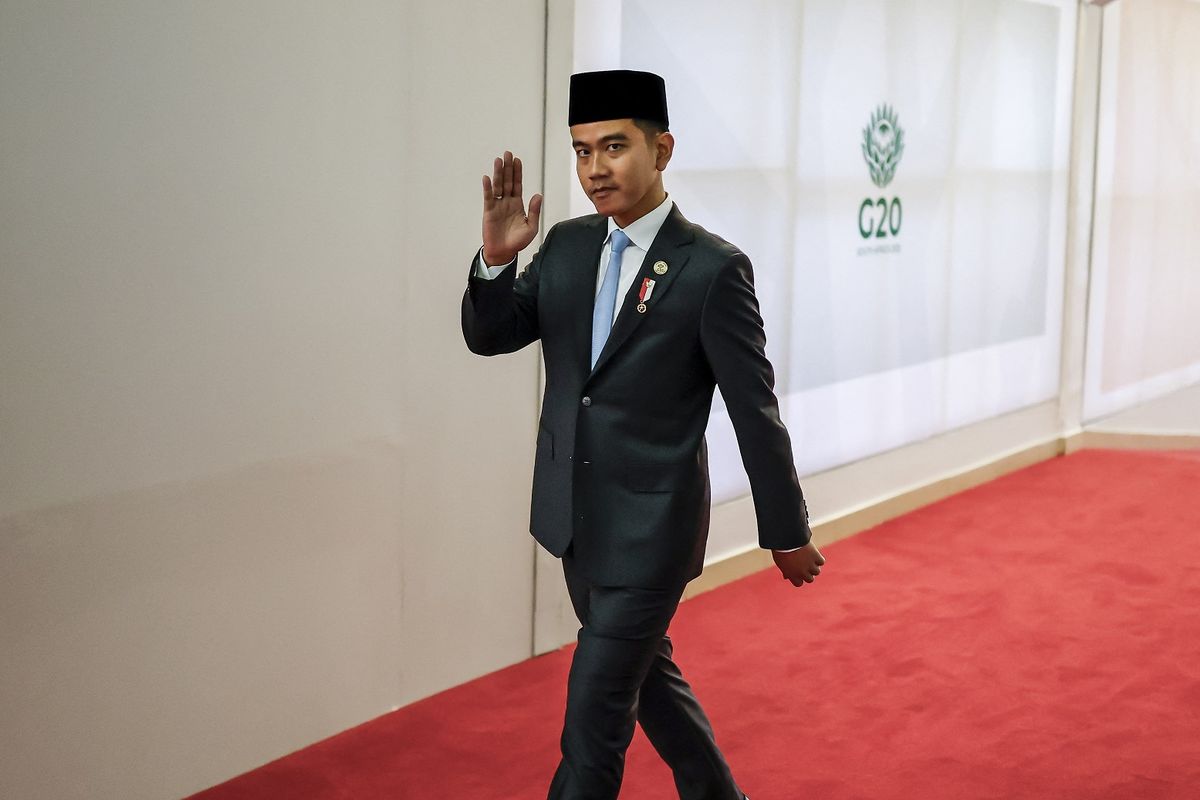
WEDNESDAY, November 11, 2026, will be remembered as a difficult day to forget in our nation's governance history.
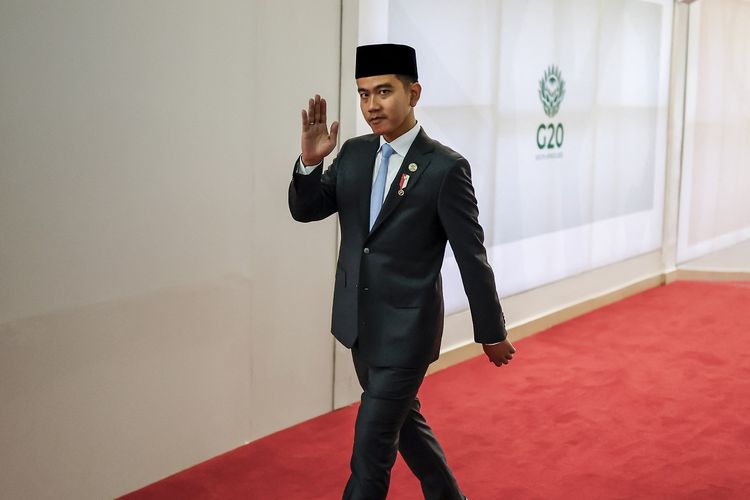
In the afternoon, eight factions in the House of Representatives, without exception, officially proposed a statement of opinion against Vice President Gibran Rakabuming Raka.
A total of 120 members signed the proposal, including eleven members from the Gerindra faction, the party led by President Prabowo Subianto himself. That evening, more shocking news followed.
Gibran was reported to have submitted his resignation letter to the President at Halim Perdanakusuma Air Force Base, with Projo Chairman Budi Arie Setiadi confirming this with a single word: "correct" (CNBC Indonesia, 11/11/2026).
The basis for this pressure was two court rulings. In early October, the Constitutional Court stated that there was no convincing evidence regarding Gibran’s educational equivalency.
At the end of October, the Supreme Court, through a cassation ruling, declared the equivalency certificate used as a requirement for the 2024 presidential election candidacy invalid.
Just a day prior, Gibran had expressed his intention to prove the validity of his documents through administrative legal proceedings.
However, Coordinating Minister for Law and Human Rights Yusril Ihza Mahendra considered that move pointless as the Supreme Court's ruling was final (Kompas.com, 10/11/2026).
With all factions united and legal avenues closed off, impeachment became unavoidable. The resignation letter was the only remaining exit strategy.
The world watched this event closely. Reuters, citing three political sources, promptly reported that Indonesia's Vice President had resigned, after previously linking the document dispute to the deteriorating relationship between Prabowo and Joko Widodo.
Bloomberg published a headline about Gibran’s resignation following the credential dispute, while Nikkei Asia provided commentary on the resignation plan and impeachment threats for its audience in the region.
For foreign media, this was not just a change of officials but a test for democratic institutions in the world's third-largest democracy.
Interestingly, the stock market remained relatively calm throughout the tumultuous days. The market seemed to read that this crisis would be resolved through constitutional means, not the streets.
The most striking aspect of this episode is the loneliness. The throngs of volunteers who once rallied to support his victory were almost silent, except to confirm the resignation news.
Coalition parties that supported him two years ago now also signed the impeachment proposal.