
Impeachment, Resignation, and the Right to Re-nominate the Vice President
-
News
-
12 minutes ago
This article was translated by AI. Read the original article on Kompas.com. See Original
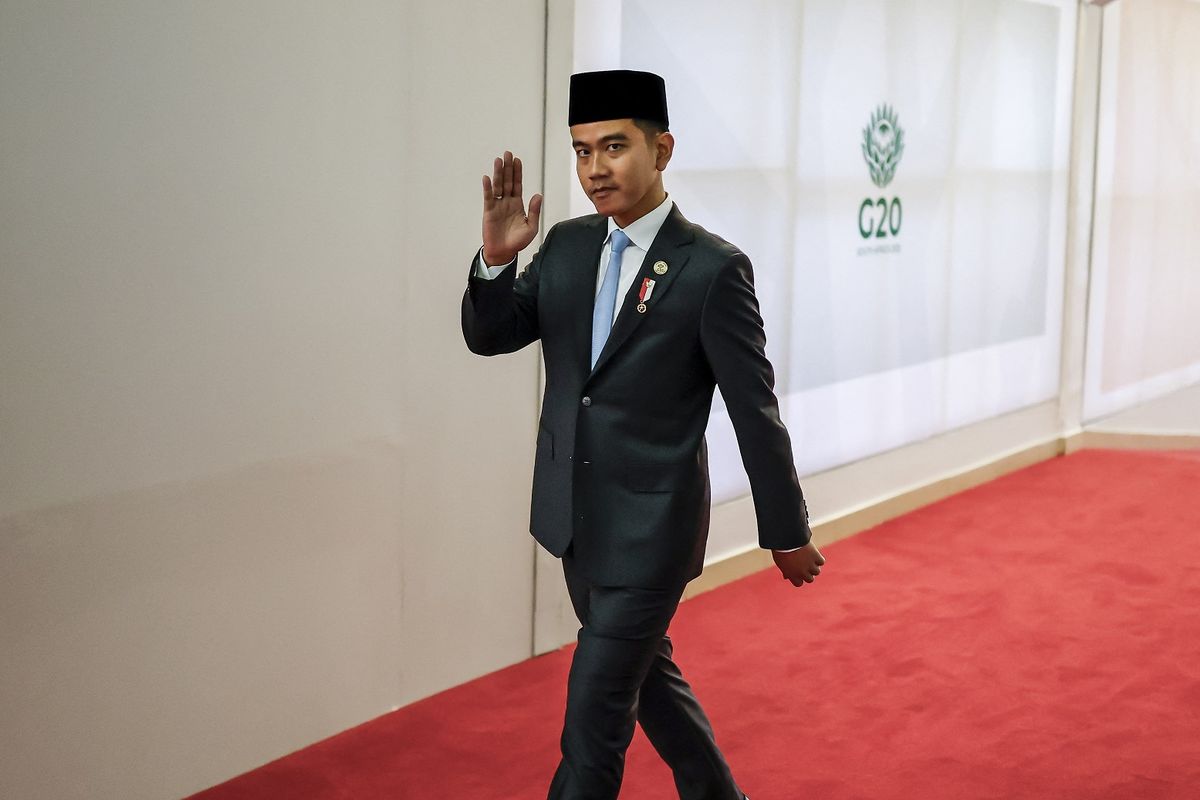
Former President Joko Widodo, his father, merely urged all parties to respect the legal process and constitutional rights. He appeared resigned to the ongoing political process.
Gerindra’s stance should be read closely. The President's party is nearly impossible to move without the approval of its chairman.
The last protective door has closed, not with a bang, but with a polite silence.
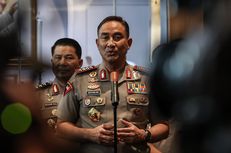
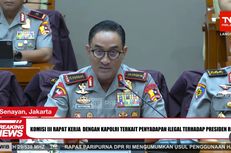
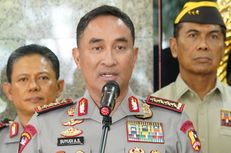
The wiretapping case involving the President, which implicated the former Chief of Police—an individual known to be close to Jokowi—only expedited everything.
Legally, that matter is unrelated to Gibran's education document, and the presumption of innocence still applies.
Politically, allegations of “betrayal” from old circles have turned every closeness to the Jokowi family into a burden.
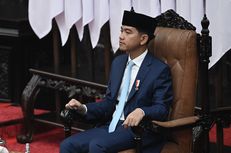
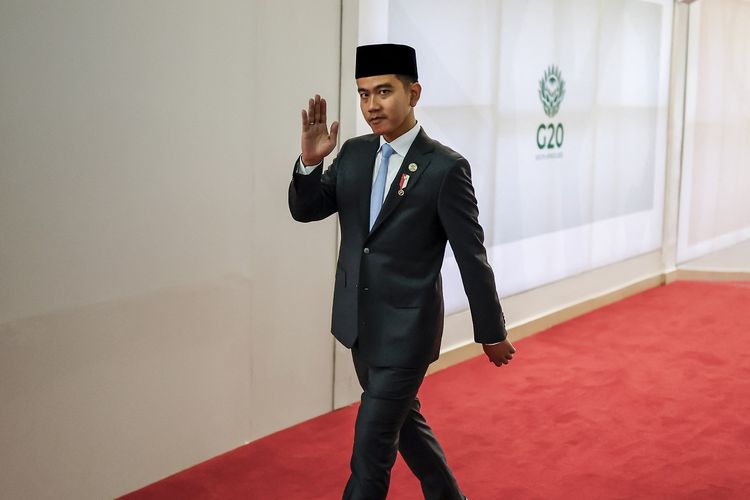
It's hard to guess Gibran’s mood when he submitted that letter. The man who two years ago was hailed as a symbol of the youth at the height of power now finds his phone silent and friends choosing to remain mute.
Perhaps there is disappointment, perhaps there is a sense of abandonment, and perhaps there is unvoiced regret.
A more troubling question: did he and his father ever contemplate such consequences when the candidacy pathway was opened in 2023?
At that time, all doors appeared open, all friends seemed loyal, and rules seemed malleable.
No one imagined that a mere certificate could topple everything.
Why has someone who once stood at the peak, once approached by many, now been abandoned one by one?
Historian Barbara Tuchman in The March of Folly (1984) illustrated a recurring pattern in the history of power.
Rulers embark on paths that harm themselves, despite warnings heard from the outset and alternative choices available.
Those warnings emerged as early as 2023, from professors to civil society. Alternative choices were also present.