
Police Asked to Trace Data Flow from President Prabowo's Wiretap
-
News
-
1 minute ago
This article was translated by AI. Read the original article on Kompas.com. See Original
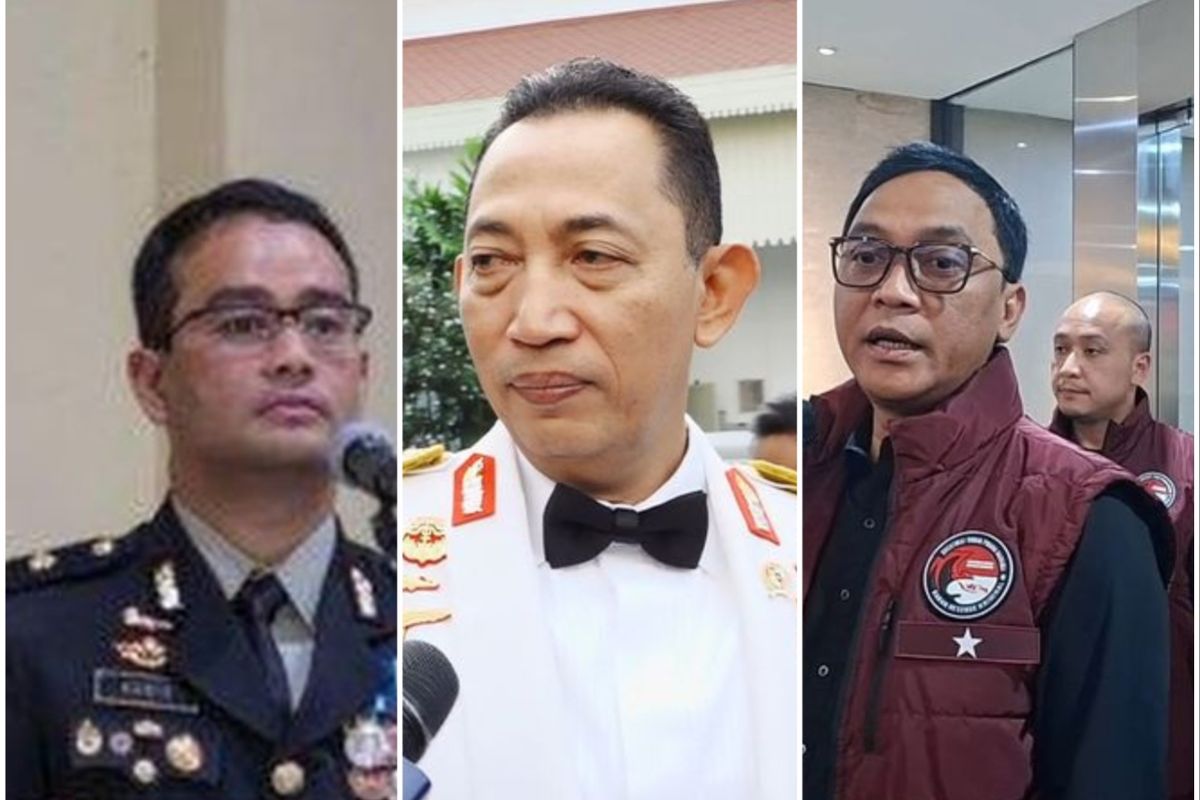
Suparji also cautions that the handling of conspiracy cases should not ensnare movements that are genuinely organic.
He stated that demonstrations, government criticism, and the expression of aspirations are constitutional rights of citizens guaranteed by Article 28E Paragraph (3) of the 1945 Constitution and Law Number 9 of 1998.
Therefore, he argues, it is inappropriate to generalize all public demonstration movements as part of conspiracy actions simply because there are allegations of certain parties' involvement in driving or exploiting those actions.
Suparji mentioned that allegations of groups riding on public movements must be proven through legal facts, not merely assumptions or opinions.
In this case, he finds it crucial for investigators to clarify whether there truly exists an organized connection between the alleged wiretapping, mass mobilization, content dissemination, and conspiracy plans.
“Avoid letting genuine public aspirations be caught up in a process of criminalization. Conversely, if there are parties proven to have deliberately infiltrated, provoked, or incited the public to commit criminal acts, their actions must be accountable under the law,” he said.
He emphasized that criticism of the government and demonstrations are not automatically conspiracy.
Law enforcement must distinguish between citizens exercising their constitutional rights and parties proven to have engaged in unlawful actions.
“Criticism is not conspiracy, demonstrations are not conspiracy, and political differences are not conspiracy,” Suparji stated.