
Police Asked to Trace Data Flow from President Prabowo's Wiretap
-
News
-
1 minute ago
This article was translated by AI. Read the original article on Kompas.com. See Original
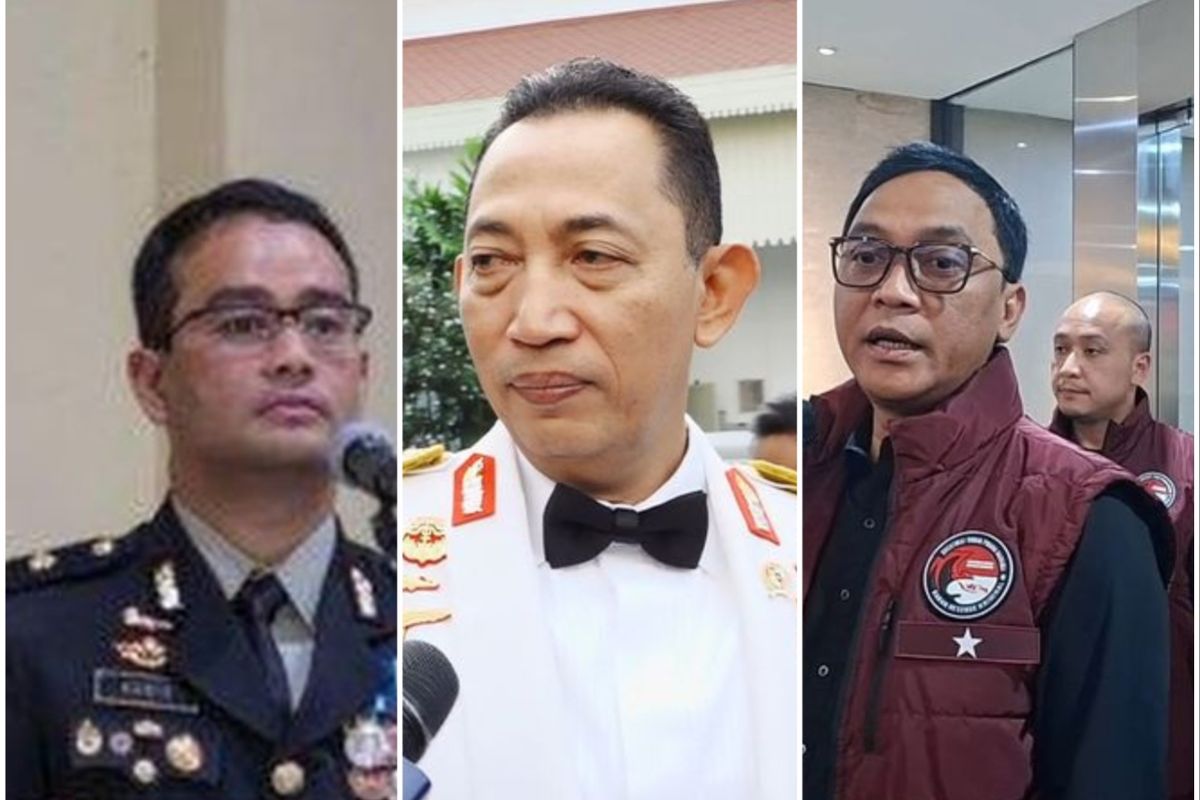
JAKARTA, KOMPAS.com - The designation of former National Police Chief General Listyo Sigit Prabowo and five other police officers as suspects in an alleged conspiracy against President Prabowo Subianto raises several legal questions.
Police stated that the alleged conspiracy originated from a conspiracy that continued with a meeting to map influential figures, analyze the political situation, and included wiretapping and surveillance.
This series of actions now forms the basis for investigators to establish the suspicion of preparations for a conspiracy.
However, the activities of mapping influential figures and gathering information raise questions about the boundary between intelligence activities and criminal conduct.
Furthermore, the strength of various physical and electronic evidence must be assessed for its relevance to the alleged conspiracy.
So, has the case construction presented by police met the elements of the crime of conspiracy?
How strong is the evidence held by investigators to substantiate the allegations?
National Police Criminal Investigation Agency Chief Commissioner Asep Safrudin announced the appointment of six suspects in the alleged conspiracy case on Monday (23/11/2026).
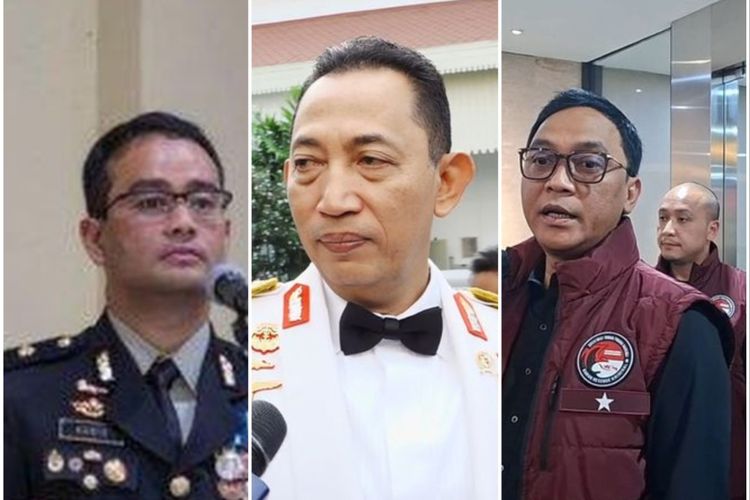
They are Listyo Sigit Prabowo, Inspector General Slamet Uliandi, Inspector General Eko Hadi Santoso, Inspector General Ahrie Sonta Nasution, Brigadier General Tedjo Kusumo, and Commissioner Iman Imanuddin.
“Investigators have named six individuals as suspects in the alleged conspiracy crime,” Asep said at a press conference at National Police Headquarters.
According to Asep, the case began from a conspiracy allegedly conducted by the suspects.
On October 3, 2024, before Prabowo was inaugurated as president, Slamet Uliandi is said to have led a meeting attended by Eko Hadi Santoso, Ahrie Sonta Nasution, and Tedjo Kusumo.
In that meeting, they discussed various topics, ranging from government direction, influential figure mapping, crisis analysis, government policies, a prospective National Police Chief, to the political crisis of 1998 that led to President Suharto's resignation.
Police suspect that this meeting was part of the preparations for the conspiracy.
One action mentioned to have followed was the wiretapping of several figures.
“The results of the wiretapping were followed up with surveillance activities by suspect TK (Tedjo Kusumo) under the orders of suspect ASN (Ahrie Sonta Nasution) against several state officials, heads of state institutions, and other political figures,” Asep stated.
The disclosure of this case construction raises the issue of the boundary between political analysis or intelligence activities and conspiracy criminal acts.
Meetings discussing political situations, mapping influential figures, and analyzing governance cannot be categorically labeled as conspiratorial to attack or topple the government.
Criminal law expert from Trisakti University, Abdul Fickar Hadjar, states that Article 160 of the Indonesian Penal Code defines conspiracy as the intent to conduct an attack that has been manifested through preparations for such acts.
According to Fickar, the forms of preparation can include planning an attack, gathering weapons or logistics, training, and recruiting participants.
In the case of Listyo Sigit, Fickar views the series of meetings, one of whose conclusions was wiretapping, as interpreted as preparatory actions for carrying out a conspiracy.
“The series of meetings that concluded with wiretapping is interpreted as preparatory actions for conspiracy,” Fickar told Kompas.com on Tuesday (24/11/2026).
However, this interpretation needs to be tested by examining the relationship between the meetings, the wiretapping, and the alleged attack objectives.
Information gathering activities do not automatically constitute conspiracy preparations unless proved directed towards realizing an attack as defined in criminal terms.
Professor of Law at Al-Azhar Indonesia University Suparji Ahmad also cautions that the application of conspiracy laws should not be overly broad beyond the statutory definitions.
He noted that Article 160 of the National Penal Code defines conspiracy as the intent to carry out an attack that has been realized through preparations for such actions.