
Komnas HAM and Police Chief Highlight the Military's Presence in Civilian Spaces
-
News
-
Just now
This article was translated by AI. Read the original article on Kompas.com. See Original
On top of that, there are fiscal challenges that prompt the government to be increasingly selective in prioritizing expenditures.
Large programs like Free Nutritious Meals, infrastructure development, strengthening food security, and various social protection initiatives must be managed based on principles of effectiveness, efficiency, transparency, and accountability.
This is where the vice president's role becomes critical. He must ensure that priority programs not only run but also yield measurable economic and social impacts.
An economic growth rate of 5.47 percent should be a foundation for pursuing structural transformation, not an excuse for complacency.
The vice president needed is one who can bridge political interests and economic development needs.
He should connect government policies with the business world, higher education institutions, local governments, civil society, and the most vulnerable community groups.
A recurring issue in Indonesia's state administration practice is the vice president's position, which has not always had substantive and measurable work space.
Constitutionally, the president holds governmental power, while the vice president assists the president in performing their duties.
However, in practice, the effectiveness of the vice president's role is greatly determined by task distribution, the president's trust, and the ability to build inter-ministerial and institutional coordination. Therefore, whoever is eventually elected must receive a clear work mandate.
The vice president should not be merely a ceremonial companion at state events, a meeting attendee, or representing the president at certain activities. He must have measurable substantive responsibilities.
At least there are three strategic agendas that could provide room for contribution from the vice president.
First, to oversee the transformation of the national economy. The vice president must ensure that the agendas of downstreaming, industrialization, MSME strengthening, digital economy, and job creation run in an integrated manner.
Second, to strengthen human resource development. Education, health, poverty reduction, family quality enhancement, and increased productivity must be priorities that are inseparable from the economic growth agenda.
Third, to strengthen national resilience. Food, energy, strategic industries, and social stability must be part of the long-term development agenda.
With a clear mandate, the vice president can be a policy mover that enhances governmental effectiveness, not merely an accessory within the power structure.
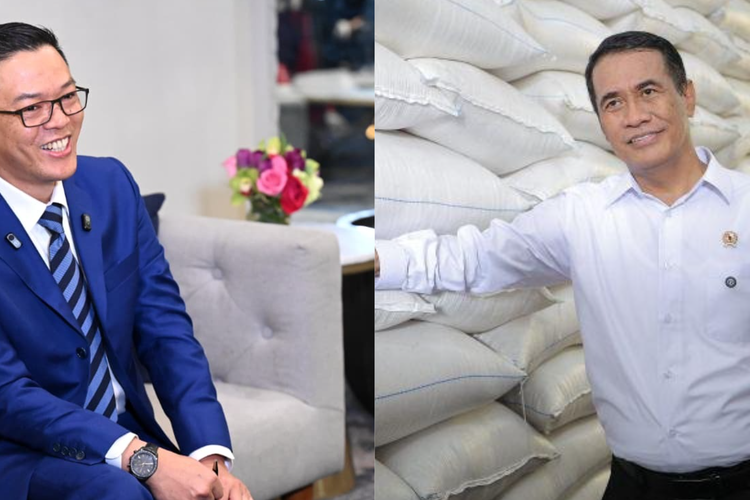
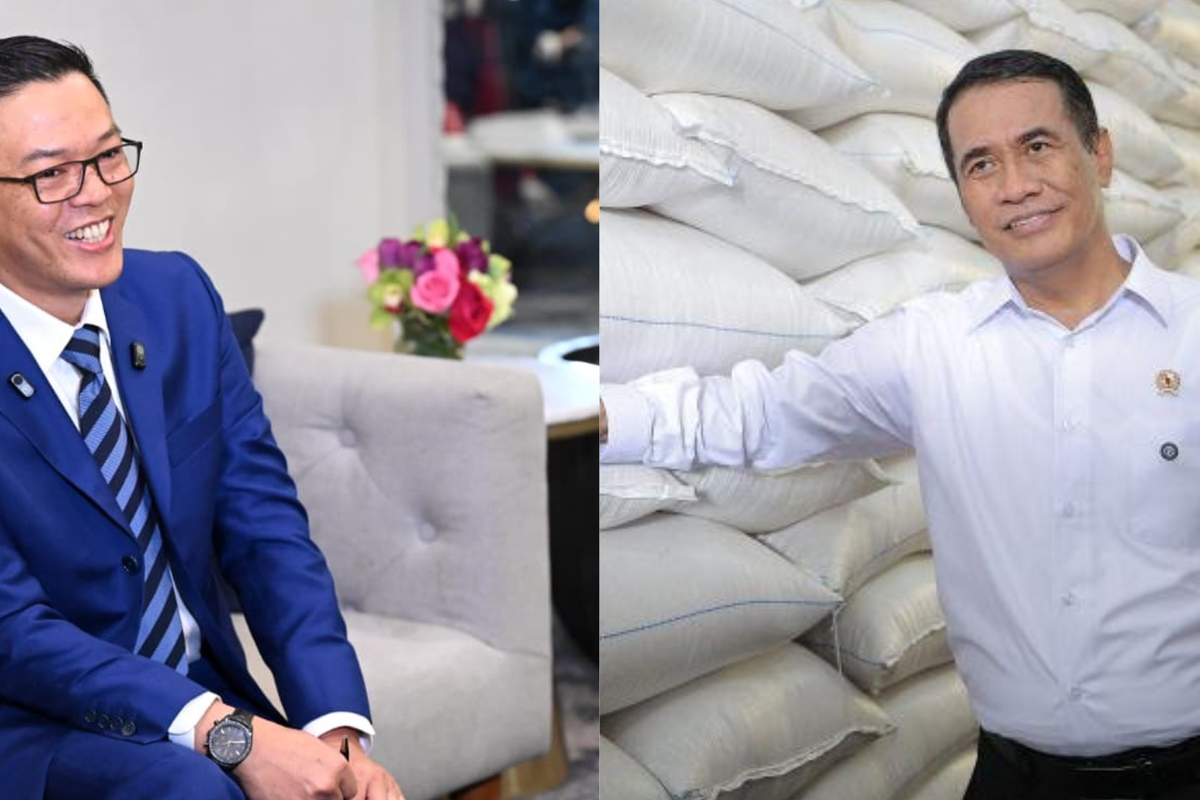
Ultimately, considering Amran Sulaiman and Sugiono as vice presidential candidates should not be trapped in popularity contests or political speculation about who is the front-runner.
Amran offers experience in managing productive sectors, particularly in agriculture and food security.
Sugiono brings experience in politics, diplomacy, defense, and governmental coordination. Both have capital that can contribute to Prabowo's administration.
However, Indonesia currently needs more than just figures who can maintain the political stability of the government.
Indonesia requires leadership that can accelerate economic transformation, improve the quality of human resources, address inequalities, and ensure that economic growth genuinely benefits the people.
Therefore, the most important question is not who deserves to be the second-in-command but who can make the government work more effectively and bring about greater change.
If Amran is elected, he must bring the spirit of productivity in the food sector into a broader national development agenda.
If Sugiono is elected, he must translate his political and strategic experience into concrete and impactful development leadership.
In the end, the vice presidency is not a political gift, nor merely a symbol of loyalty to the president. It is a constitutional mandate that demands capacity, integrity, and the courage to shoulder responsibility.
Indonesia is not looking for a vice president just to accompany the president. Indonesia needs a vice president who can strengthen the president, drive the government, and ensure that power truly works for the welfare of the people.