
Komnas HAM and Police Chief Highlight the Military's Presence in Civilian Spaces
-
News
-
Just now
This article was translated by AI. Read the original article on Kompas.com. See Original
REPLACEMENT of a vice president during a government term is not a routine political event.
It is not merely a change of figure within the power structure, but a moment to reassess the national leadership direction, government effectiveness, and the strategic needs of the nation in facing various upcoming challenges.
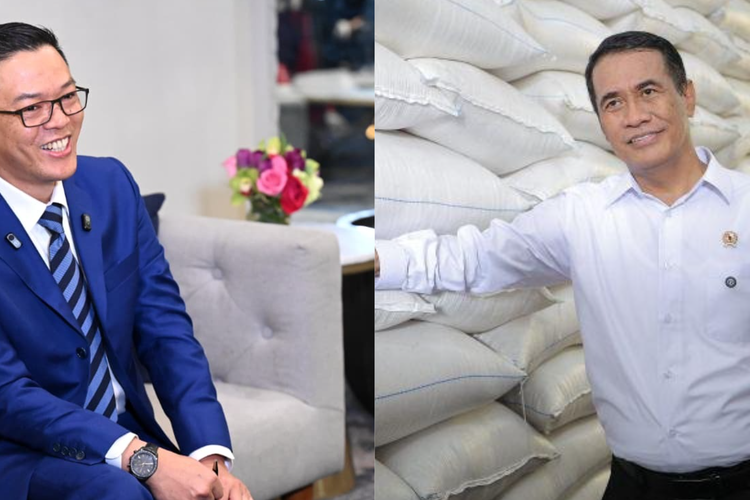
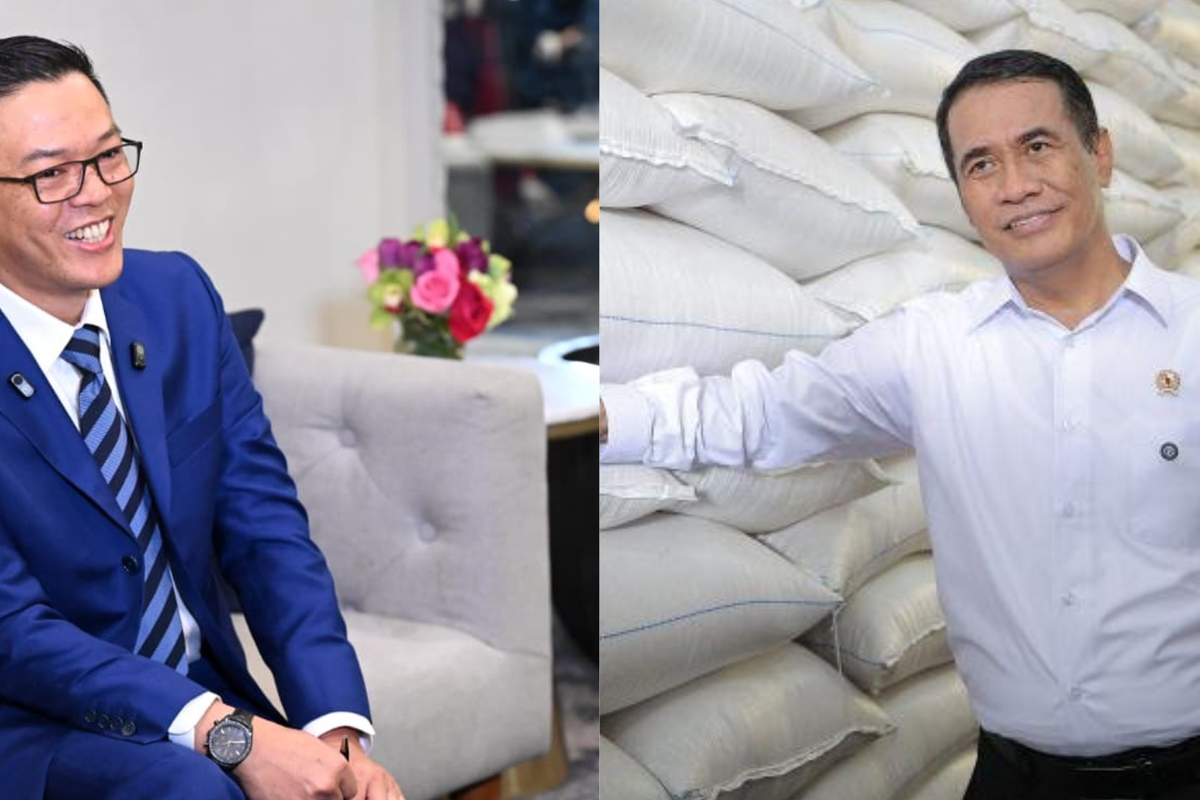
When President Prabowo Subianto proposed two names, Andi Amran Sulaiman and Sugiono, to the People's Consultative Assembly (MPR) as candidates for vice president to replace Gibran Rakabuming Raka on November 23, 2026, the public should pay serious attention.
Both individuals represent different backgrounds, experiences, and leadership characteristics.
Amran is known as a technocrat and businessman with extensive experience in agriculture and food sectors.
On the other hand, Sugiono is a political figure with experience in governance, defense, diplomacy, and party leadership.
Both possess political capital and capacity that should be considered. However, the fundamental question is not just who is closer to President Prabowo, but who is most capable of adding value to the government and addressing the nation's issues.
President Prabowo stated that his considerations for proposing both names are based on their achievements, dedication, loyalty to the state, and confidence that both can perform their duties well.
This consideration is certainly important. However, for the vice presidential position, loyalty alone is not enough.
Indonesia needs a vice president who not only acts as a political companion to the president but also drives policy, connects various institutions, and represents national leadership.
The name Andi Amran Sulaiman is compelling due to his relatively different leadership character compared to most national political figures.
He is not merely a product of political party cadre training; instead, he grew from the business world and has direct experience managing productive sectors.
His experience as Minister of Agriculture during several government periods has given him a deep understanding of food, agriculture, supply chains, and farmer welfare issues.
In the context of Prabowo's administration, this experience has strategic relevance. One of the main agendas of the government is to achieve food self-sufficiency as part of national resilience.
Food is no longer just an agricultural production issue; it concerns economic stability, inflation control, poverty reduction, and national sovereignty.
Data from the Central Statistics Agency indicates that rice production for food consumption in 2025 reached 34.69 million tons, an increase of 13.29 percent compared to 2024's production of 30.62 million tons.
Meanwhile, government rice reserves reached 4.61 million tons as of September 19, 2026. This figure indicates significant progress in strengthening national food security.
This achievement certainly serves as positive capital for Amran. However, we must also be cautious not to oversimplify the success of the food sector as the achievement of one individual alone.
Agricultural production results from the collective efforts of farmers, extension workers, local governments, ministries, food agencies, budget support, infrastructure, and climatic conditions.
This presents a challenge for Amran if he is elected as vice president. He must shift from sectoral leadership to broader national leadership.
The vice president must not only understand food issues. He must be capable of coordinating cross-sector policies, ranging from agriculture, industry, trade, investment, education, health, to poverty alleviation.
Moreover, food issues themselves cannot simply be resolved by increasing production.
Indonesia still faces distribution challenges, price disparities between regions, farmers’ limited access to technology, dependence on certain agricultural inputs, and the weak bargaining position of farmers in the supply chain.
Amran must prove that his well-known leadership approach in the agriculture sector can be transformed into the capability to orchestrate national development.
Unlike Amran, Sugiono represents a leadership character more aligned with politics, diplomacy, defense, and governmental strategy.