
DKPP Holds Hearing on Alleged Ethical Violations in Gibran's Candidacy Today
-
News
-
19 minutes ago
This article was translated by AI. Read the original article on Kompas.com. See Original
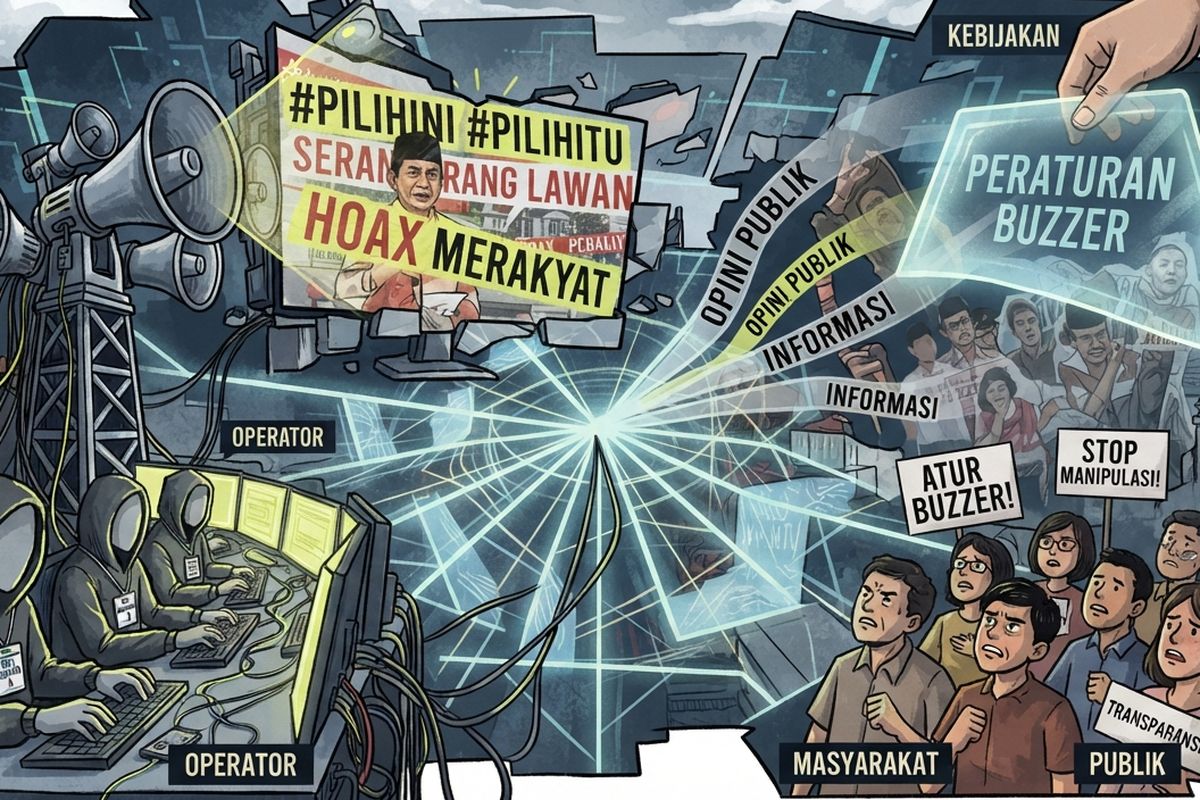
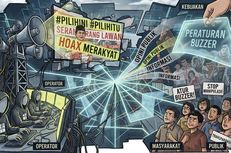
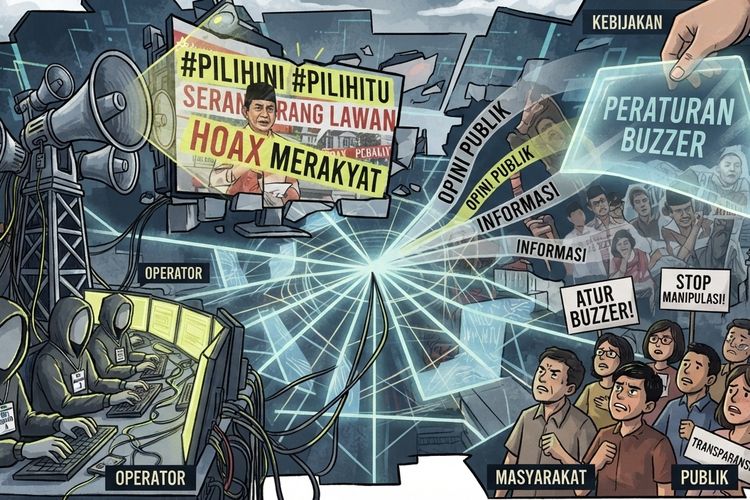
"Public opinion manipulation occurs when buzzers create an illusory majority opinion (astroturfing) as if a viewpoint is supported by most people, while it is actually driven artificially and for a fee," he explained.
This situation can make it difficult for people to distinguish organically grown opinions from narratives deliberately crafted for specific interests.
Moreover, mass attacks on government critics or specific groups can create a chilling effect, making people afraid to express their opinions.
Political communication expert and Director of the Nusakom Pratama Political Research Institute, Ari Junaedi, believes that strict regulation of buzzers will be challenging due to rapidly evolving communication and information technologies.
According to Ari, buzzers are often utilized by political contenders as part of their strategy to win competitions.
In practice, these activities often violate rules, ethics, and healthy competition principles.
"Given that buzzers often produce misinformation and deception for self-serving purposes, the potential for public discourse to be manipulated is significant, and public opinion can be easily swayed," Ari told Kompas.com on Friday.
Therefore, Ari believes regulation should primarily target candidates participating in elections, especially regarding the buzzer teams they recruit.
This way, regulation does not solely focus on individuals expressing opinions on social media, but also on those who use buzzers for political gain.
Digital communication expert Rulli Nasrulah cautioned that the DPR should be cautious about rushing to create a special law focused solely on regulating or restricting buzzers.
He stated that what is more urgent is to regulate funding transparency, sponsor identities, the use of fake accounts, public opinion manipulation, and the production of AI-based political content.
"We need to ensure this regulation does not become a tool to silence public criticism. The aim should be to protect the digital democratic space, not control freedom of expression," said Rulli to Kompas.com on Friday.
A medical doctor in media and cultural studies from Gadjah Mada University (UGM) and a senior researcher at Arus Survei Indonesia (ASI), he explained that Indonesia already has several legal frameworks governing content and activities on social media.
These include the ITE Law, the Personal Data Protection Law, the Consumer Protection Law, and various regulations related to the administration of electronic systems and elections.
Therefore, the DPR should first evaluate the effectiveness of existing regulations and identify legal gaps that have yet to be addressed.
According to Rulli, if new regulations are indeed necessary, they should not only target political buzzers.
Instead, they should encompass the entire digital communication ecosystem, including influencers, key opinion leaders (KOL), content creators, digital agencies, and those who act as sponsors.
"This is because they also have positive contributions, such as promoting small and medium enterprises (SMEs), local product marketing, tourism, and educating the public," he added.