
More Loved After Becoming a Former Leader
-
News
-
35 minutes ago
This article was translated by AI. Read the original article on Kompas.com. See Original
This criticism is valid. To address it, a clear mapping of weaknesses and strengths for each must be done.
Carter excelled in leading a superpower. His lack of electoral ambition was influenced more by age, and he began his new chapter with diminishing physical energy.
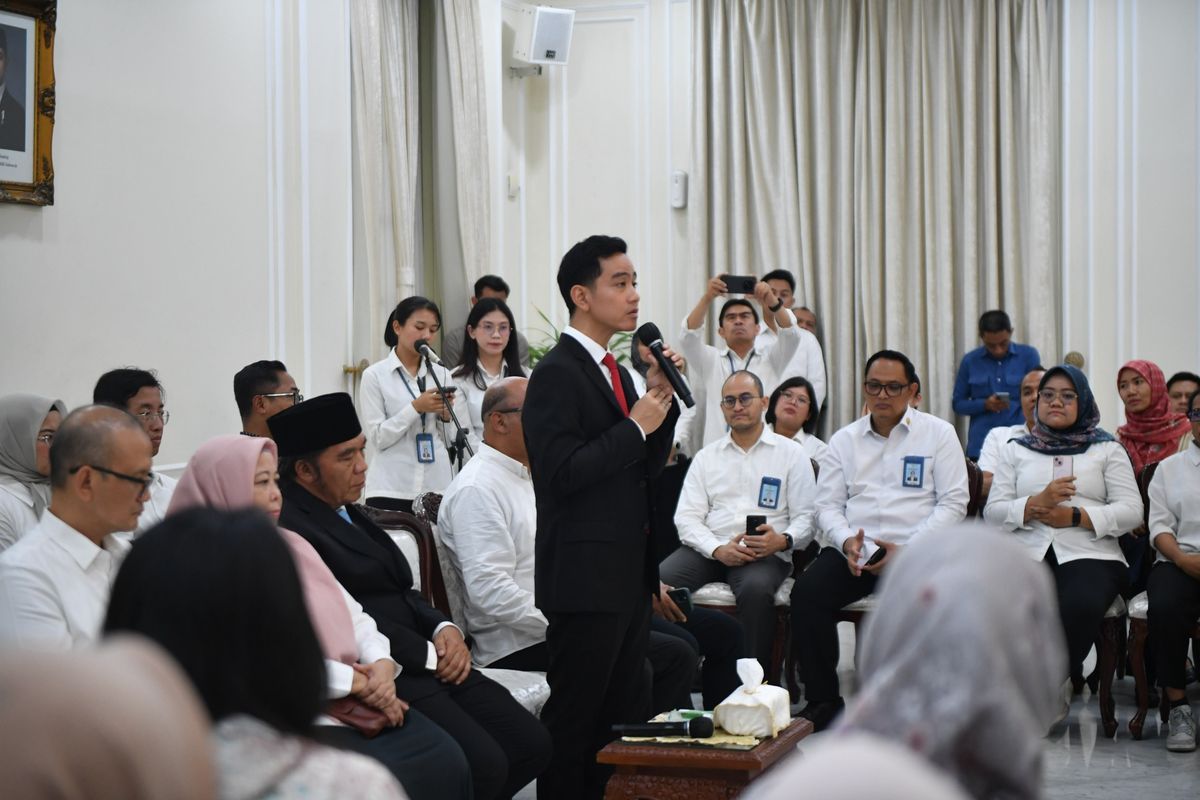
Conversely, Gibran carries the weak link of an administrative legitimacy crisis. He also bears the burden of political dynasty association.
Moreover, public skepticism regarding every social move he makes will not disappear. Every step he takes will be viewed as groundwork for the next election.
However, Gibran holds strengths that Carter did not possess. At 39, he has long stamina, high mobility, and mastery of the digital ecosystem of the youth.
With decades ahead of him, Gibran does not need to replicate Carter's large-scale global projects. He can simply adjust his service field to a local scale that is relevant to his capacity.
The third criticism involves cultural gaps: can the Indonesian public accept post-office transformations as American society does, which has a more mature democratic tradition?
In America, honoring leaders who return to ordinary civilian life is part of established republican ethics.
They recognize the Cincinnatus tradition—high regard for leaders willing to relinquish power and return to civilian life.
In contrast, Indonesian political culture often leans towards pragmatism and carries a long history of polarization. Power is often intertwined with resources and patronage.
When a figure loses their position, their political network tends to dissolve quickly, while the public often harbors political grudges or long-standing polarization.
Here, Carter's route seems steep for Gibran. However, there are bright side opportunities.
From an intercultural communication perspective, local culture holds hidden opportunities for Gibran.
In the Javanese cultural trove, which forms his social roots, the attitude of legowo—accepting a downfall with an open heart without retaliation—holds high symbolic value.
Furthermore, Indonesian society has a strong cultural empathy towards individuals perceived as 'wronged' or victims of circumstance.
If Gibran responds to his fall not with aggressive resistance but with calmness and quiet service in the midst of the populace, the cultural capital of tepo seliro could actually become an accelerator to restore public sympathy.
From the assessment of modalities and communication theories mentioned earlier, three strategic steps can be taken by Gibran moving forward.
First, announce a political electoral moratorium by stepping away from the party stage and contesting positions for at least one full election cycle (five to ten years).
In Hovland's framework, this break is imperative to create a disinterested communicator effect to restore the public trust dimension.
Second, execute substantive corrective action by establishing institutions or social movements that address the roots of his crisis.
For example, institutions advocating for the expansion of vocational education access, educational equivalency programs for marginalized groups, and supporting grassroots SMEs.
Third, conduct symbolic transformations toward silent yet impactful effects.
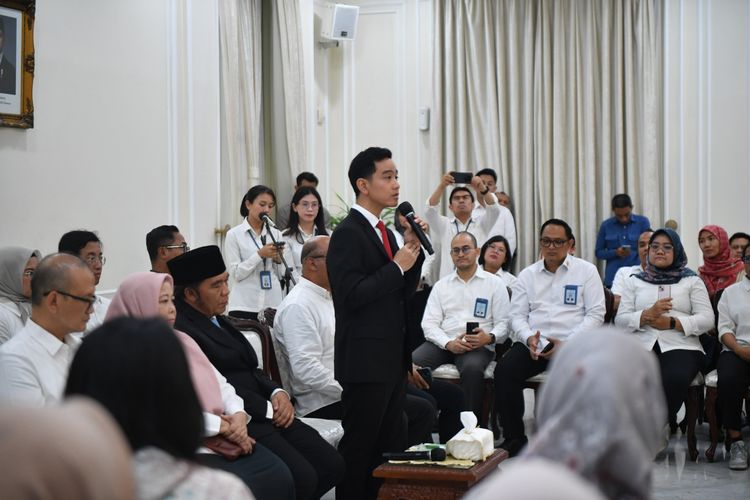
Gibran can leverage his mobility advantage to meet citizens in the field, touring cities and villages across Indonesia throughout the year.
However, there is an important note: avoid making these activities mere image-production content. Let the actions speak louder than camera lights.
Jimmy Carter became increasingly beloved after his presidency. Gibran? It is not impossible.