
IEU-CEPA Officially Signed, Here Are Its Benefits for Indonesia
-
News
-
18 minutes ago
This article was translated by AI. Read the original article on Kompas.com. See Original
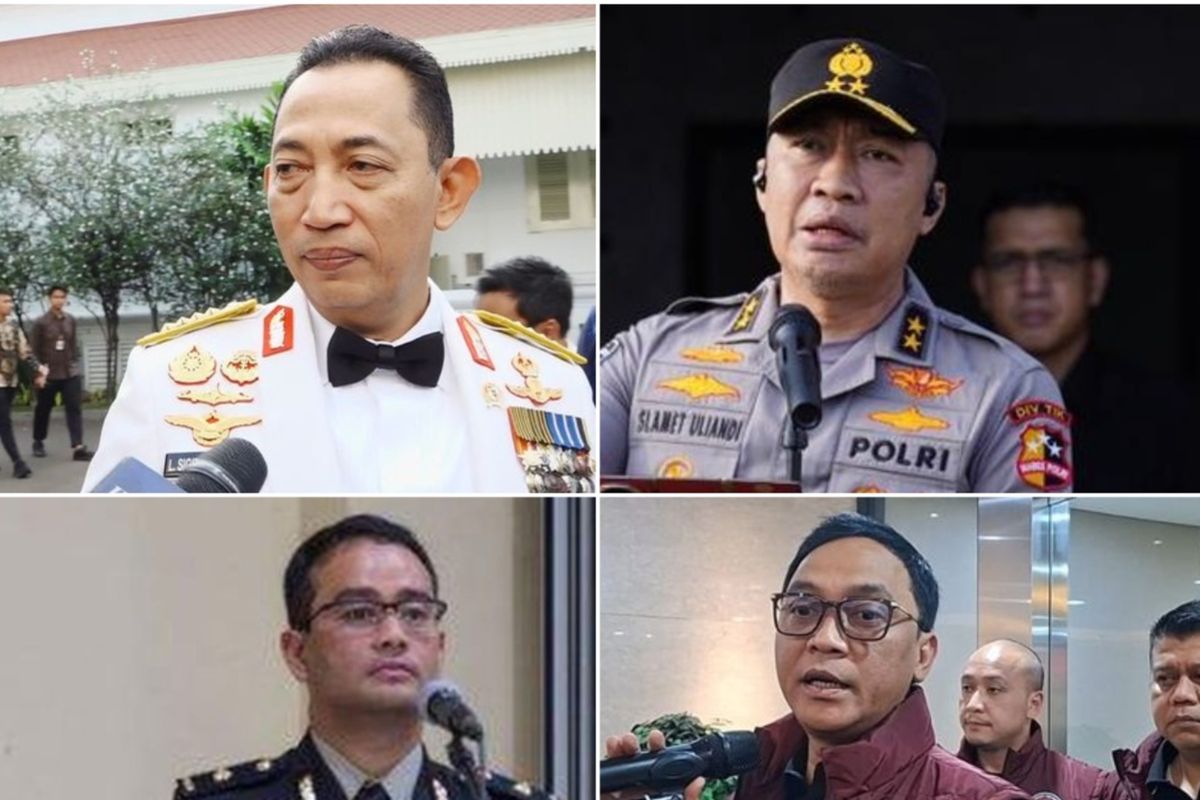
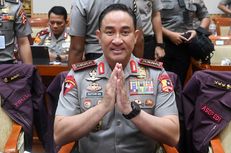
FOUR years ago, the term "clean-up" was closely associated with Listyo Sigit Prabowo, during his tenure as National Police Chief.
He took action against Ferdy Sambo and Teddy Minahasa, leading the public to refer to it as the clean-up of the police force 2.0 (Kompas.com, 17/10/2022). Now, that same term has taken a different connotation.
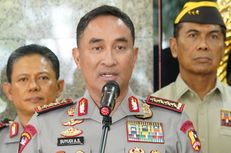
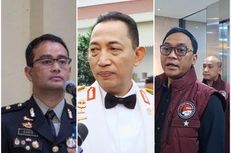
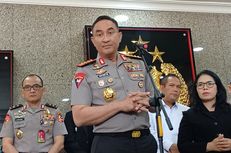
Following the Criminal Investigation Agency's designation of Listyo and three senior officers as suspects in an illegal wiretapping case involving the President, state officials, political figures, media, and business people, Deputy Chair of Commission XIII of the House of Representatives, Sugiat Santoso, urged the State Secretariat to "sterilize" the President's inner circle of personnel previously recommended by Listyo.
Deputy Minister of State Secretary Juri Ardiantoro responded that the assessment of palace employees had already taken place and is a routine activity.
The series of events unfolded rapidly. Listyo was dismissed from the position of National Police Chief after five years and eight months, the longest tenure in the post-Reformation era, and was moved to become the Head of the Presidential Staff.
About a month later, he became a suspect, was detained, and removed through a presidential decree (Setkab, 4/11/2026).
Not long after, Gibran Rakabuming Raka stepped down from the vice-presidential seat amid political pressure related to his educational documents, although he emphasized that the decision was personal.
These two separate issues collectively close a chapter involving the partnership of Prabowo Subianto and Joko Widodo, who once united to win the 2024 elections.
The question now is where this clean-up process will lead.
It could represent a healthy institutional correction, or it could slide into a witch hunt based on affiliations.
The dividing line lies in the magnitude of the actions involved. The term network itself is neutral.
It can imply a criminal conspiracy, but it can also simply refer to working relationships, connections, or appointment recommendations that are common in bureaucracy. Distinguishing between the two is the crux of the matter.
The term clean-up is not neutral in our history.
After 1965, the state filtered employees with labels such as personal and environmental cleanliness, a practice that punished individuals not for actions, but for associations.
Therefore, when some social media conversations dubbed the wiretapping incident as PKI Volume II, such an analogy is clearly exaggerated and erroneous.
The matter involving Listyo is an allegation of individual criminal action processed under charges of wiretapping, illegal access, and deletion of electronic data, not an ideological cleansing.
Even if it later evolves into a case of treason, it remains an actionable matter that must be proven, not a matter of belief or lineage.
However, the emergence of such analogies indicates a collective memory wound that has yet to heal, and the government must be sensitive to it.
A comparison with Turkey provides a clearer measure.
After the coup attempt in July 2016, President Recep Tayyip Erdogan declared a state of emergency and governed by decree.