
Asset Seizure Law Text Revealed After Enactment, Transparency Process Highlighted
-
News
-
4 minutes ago
This article was translated by AI. Read the original article on Kompas.com. See Original
KOMPAS.com - Jamal Wiwoho, a professor of law at Universitas Sebelas Maret (UNS) in Surakarta, and Lita Tyesta Addy Listya Wardhani, a professor of legislation and constitutional law expert at Universitas Diponegoro (Undip) in Semarang, have shared their insights on the dynamics of the vice presidential candidate selection.
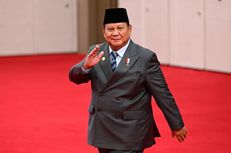
Both emphasized the need to consider constitutional aspects, political ethics, and regional representation in selecting an companion for Indonesian President Prabowo Subianto.
Jamal stated that selecting a vice presidential candidate is a presidential prerogative. However, the choice of who will accompany President Prabowo should take into account various factors, including their potential contribution to governance and future political dynamics.
The former UNS rector from 2019 to 2024 noted that if the president considers a candidate from the Gerindra Party, the performance of the presidential and vice-presidential pair will be crucial in building public trust.
"If the selection comes from the same party and performs well over the next three years, it could serve as a form of social capital in 2029. Conversely, if their performance is poor, it could result in serious issues by 2029," Jamal stated in a written statement received by Kompas.com on Friday (20/11/2026).
He added that advancements in digital media have also made public perceptions of national leadership more dynamic. Therefore, people's responses and aspirations should be a key consideration in determining the vice presidential candidate.
Meanwhile, Lita believes that the choice of president and vice president from the same political party does not contradict legal provisions. However, she stressed that political ethics must still be a consideration.
"Legally, there’s no restriction against having both the president and vice president from the same party. However, the ethical aspect needs to be scrutinized; is it ethical?" Lita said.
She elaborated that decisions regarding the vice presidential candidate should also consider the views of other parties and public aspirations. This is crucial for maintaining relationships among political forces and fostering broader support for the administration.
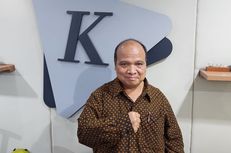
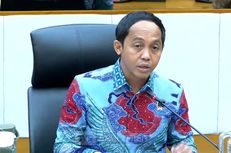
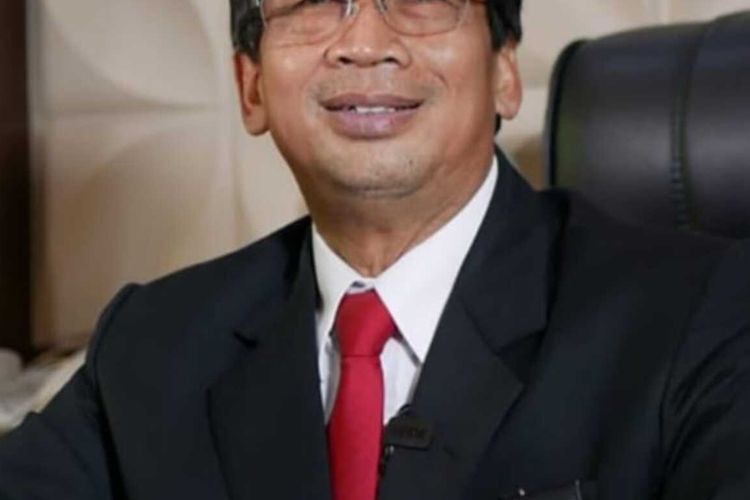 Professor of Law at Universitas Sebelas Maret (UNS) Surakarta, Jamal Wiwoho.
In addition to party candidates, Jamal noted that professionals and regional representatives should also be considered in the vice presidential candidate selection.
According to him, national leadership is not solely about issues in Jakarta but must encompass an understanding of various needs and challenges across Indonesia.
Jamal believes that experience and knowledge of regional issues can provide added value for a vice presidential candidate. This is especially important given Indonesia's island nation character with diverse development needs.
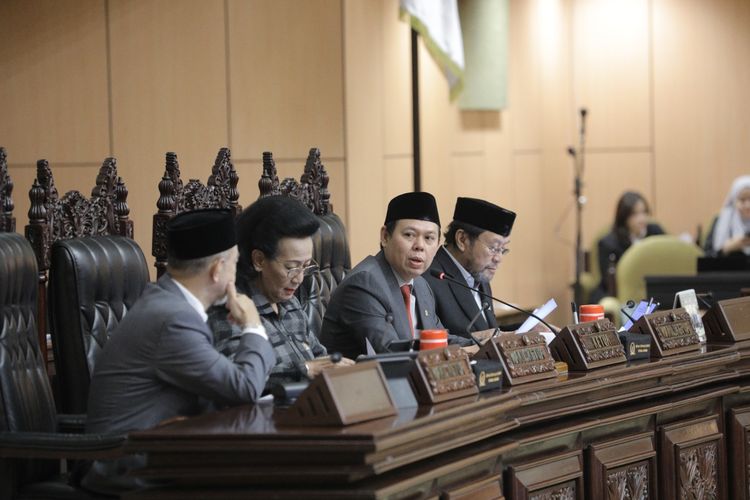
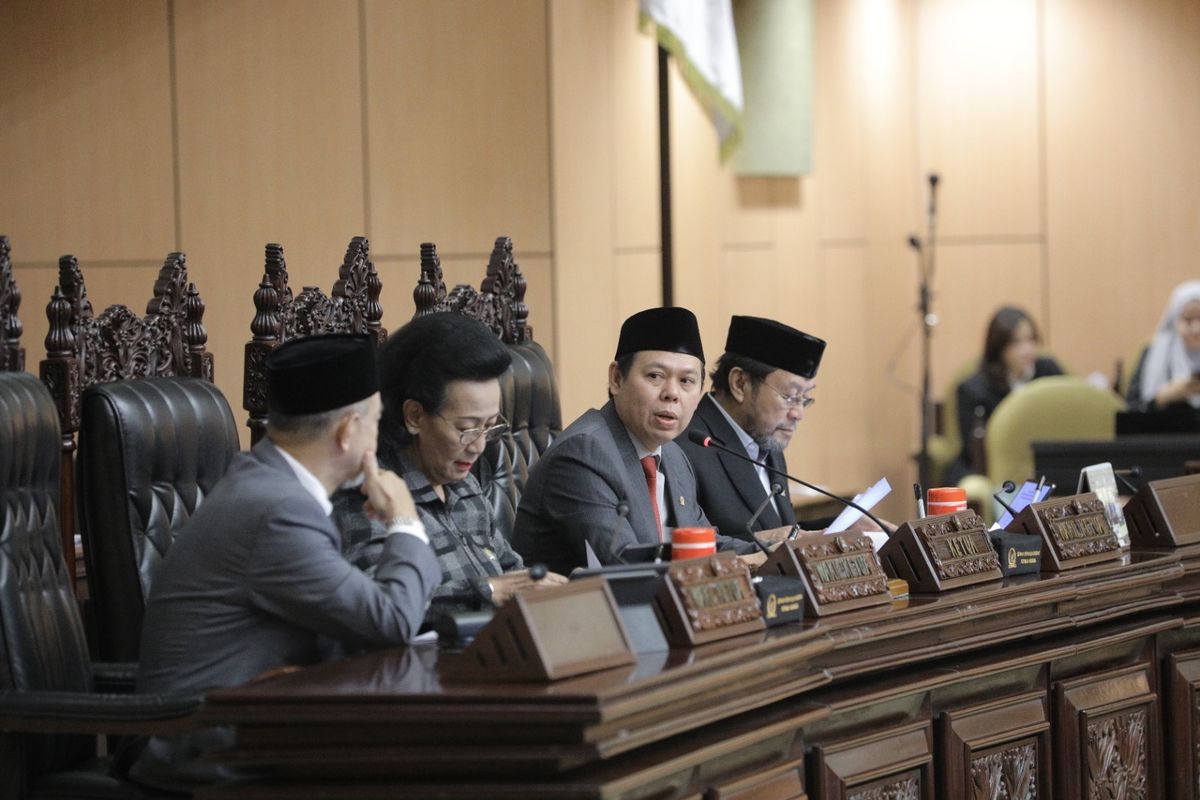
Several names of leaders from the Regional Representative Council (DPD) of the Republic of Indonesia are being discussed in this context. These include DPD Chairman Sultan Baktiar Najamudin and three of its vice chairs, namely GKR Hemas, Yorrys Raweyai, and Tamsil Linrung.
Jamal stated that DPD leaders possess experience in conveying regional aspirations to the national stage. Therefore, regional representation can be an important consideration in selecting a vice presidential candidate.
"For vice presidential opportunities, regional representation or individuals from the DPD RI should be considered. Although the prerogative lies with the president to propose two names, whether from political parties, professionals, or DPD RI, it is certainly worth considering, but it ultimately returns to the president's prerogative," explained Jamal.
He emphasized that the mechanism for filling the vice presidency vacancy is stipulated in the constitution. According to Article 8, Paragraph (2) of the 1945 Constitution, if a vice president's position becomes vacant, the president must propose two candidates to the People's Consultative Assembly (MPR) for selection.
Thus, according to Jamal, the vice presidential candidate does not need to come from a specific political party. Professionals, academics, technocrats, or figures with experience in advocating for regional aspirations can also be considered.
"If the vice president resigns (not due to impeachment), the president has time to propose two vice presidential candidates, whether they are from supporting parties or not, professionals, DPD RI, scientists, or technocrats; there are no restrictions," Jamal stated.
He sees that the selection of a vice presidential candidate should consider communication between the president and party leaders.
According to Jamal, the aspirations of the parties supporting the government can be part of the consideration process before the president makes his choice.
He pointed out several party leaders who are currently in the cabinet, such as Agus Harimurti Yudhoyono (Democrat), Zulkifli Hasan (PAN), and Muhaimin Iskandar (PKB).
This situation, said Jamal, influences the dynamics of political communication in determining the president's companion.
On the other hand, if considering internal Gerindra candidates, there are several names that could enter discussions, such as Sufmi Dasco Ahmad, Ahmad Muzani, and Sugiono.
Jamal believes that this choice carries multiple considerations. A shared party background may ease coordination between the president and vice president in governance. However, public acceptance and the effectiveness of leadership must also be taken into account.
"The advantage of having Gerindra candidates is stronger, making coordination smoother since they are all in one box without corners or barriers to their chemistry. If performance is good, that is social capital for 2029. But if not, it could become a serious problem for Prabowo in 2029," said Jamal.
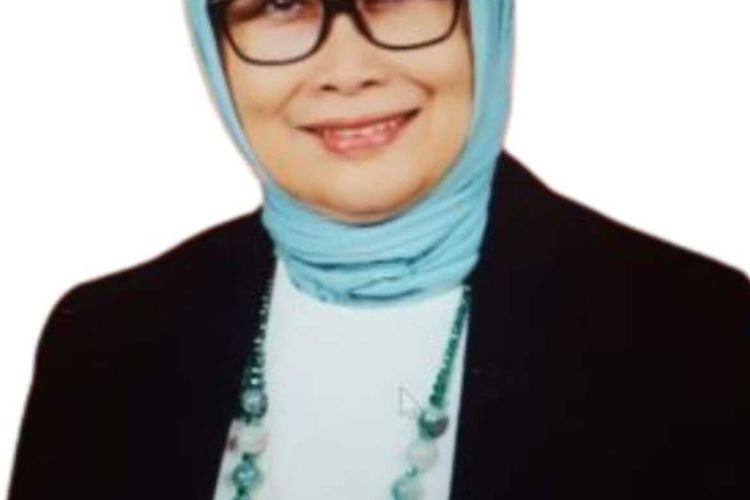 Professor of Legislation and Constitutional Law Expert at Universitas Diponegoro (Undip) Semarang, Lita Tyesta Addy Listya Wardhani.
In line with Jamal's views, Lita also believes that regional representation should be a key consideration in selecting the vice presidential candidate.
According to her, a candidate who understands regional conditions can assist the central government in formulating policies more aligned with the needs of communities across various regions.
Lita highlighted several issues in the relationship between the central and regional governments, from land conflicts to the reduction of fund transfers to regions.
She argued that these dynamics underscore the crucial need to pay attention to decentralization and equitable development.
Lita emphasized that decentralization needs to be continuously strengthened so that authority and implementation of development are not just concentrated in the central government. Each region has different needs and characteristics that require appropriate attention.
Therefore, Lita hopes that the next vice presidential candidate has a good understanding of regional issues and can bridge community aspirations with central government policies.
She stressed that the background of the candidate should not be the only consideration. Political ethics and the capacity to understand societal needs should also be part of the deliberation.
"Prabowo should truly consider a vice president who understands regional needs, someone who is close to the communities in those areas. Therefore, ideally, the new vice president should be selected based on political ethics and who comprehends how to address regional issues, regardless of who they are," Lita stated.