
Habiburokhman's Response After Being Reported by ICW to the MKD Regarding the Approval of the Asset Seizure Bill
-
News
-
8 minutes ago
This article was translated by AI. Read the original article on Kompas.com. See Original
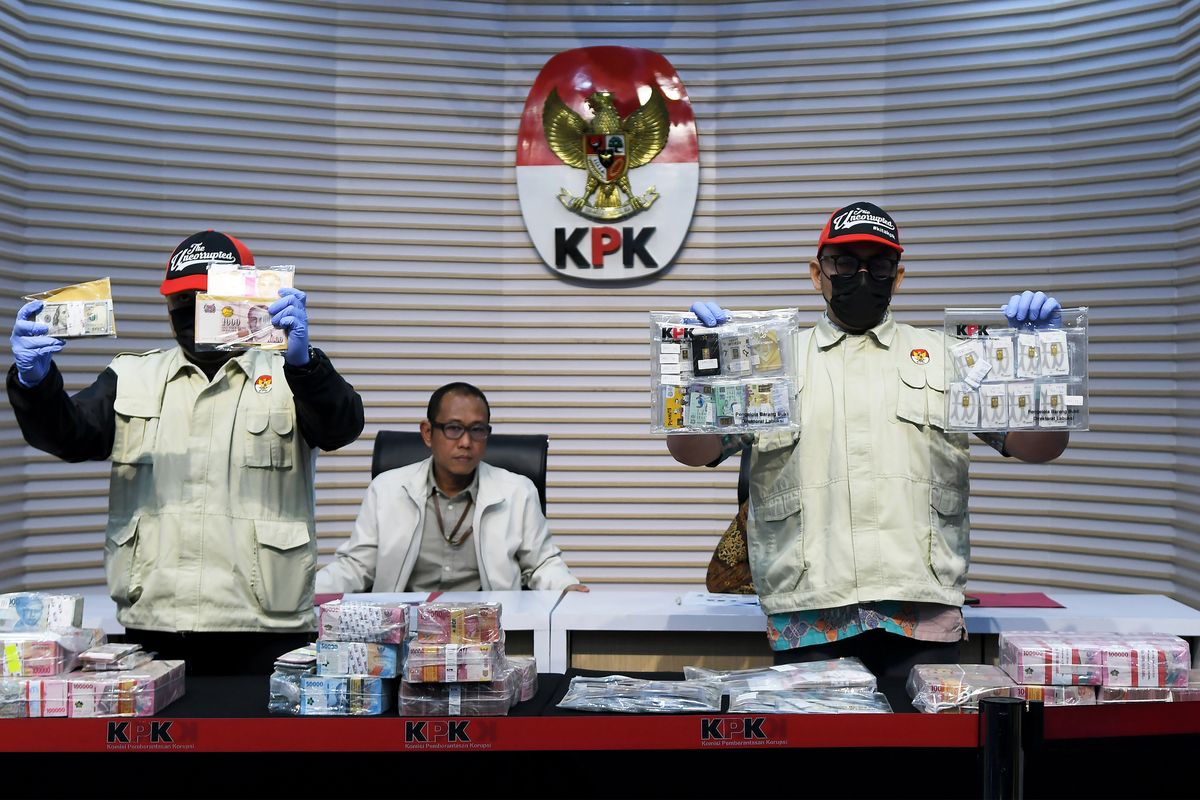
Ironically, many among them may actually stand at the forefront of the anti-corruption fight.
They condemn corruption, write anti-corruption articles, serve as anti-corruption speakers, partake in anti-corruption seminars, produce anti-corruption podcasts, and upload anti-corruption content.
However, as the legal framework shifts from pursuing perpetrators to pursuing assets, an unavoidable question emerges:
Could it be that the proceeds of corruption are actually much closer than we imagine?
Could it be that they reside not only in the corruptor's bank account and never appear in the form of sponsorship?
Of course, a rule of law cannot operate on prejudice.
Protection for good-faith parties must remain a primary principle.
Objection mechanisms, burden of proof, and judicial oversight are essential conditions to ensure that asset forfeiture does not turn into an instrument of arbitrariness.
The debate about third-party protection and the balance between the effectiveness of asset recovery and citizens' rights is indeed among the central issues in discussions surrounding this bill.
However, beyond this technical debate, there is one crucial lesson to be drawn.
The Asset Forfeiture Law forces us to view corruption from a different angle.
Corruption is not just about bad people stealing state money. It is also about how that money moves after it has been stolen.
Where it flows. Who enjoys it. Who has come into contact with it.
And to what extent the economic benefits of that crime have permeated our daily social lives.
Ultimately, the greatest paradox of the Asset Forfeiture Law may not lie in the clash between the state and corruptors.
The paradox lies within ourselves.
We want corruptors caught. We want the proceeds of corruption seized. We want the state to follow the money to the end.
Yet deep down, there may be a whisper never spoken aloud:
Arrest the corruptor, but don’t let the money trail point to me.
And that is precisely why the most important question of this entire debate is not whether corruptors should be punished.
The answer is clear.
The more difficult question is: If the state truly follows the money to its conclusion, how many of us might find ourselves not too far removed from the proceeds of that corruption?