
The Paradox of Corruption: Who's Afraid of Being Splash by Corrupt Money?
-
News
-
3 minutes ago
This article was translated by AI. Read the original article on Kompas.com. See Original
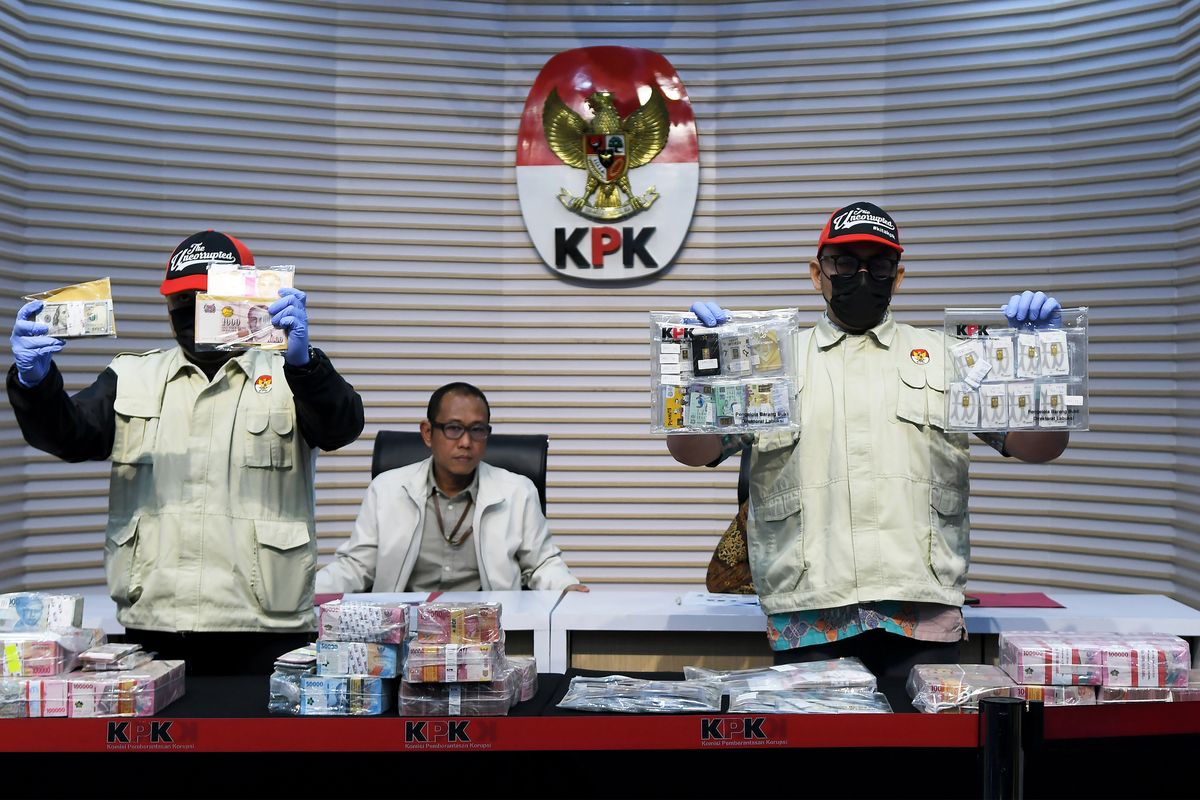
CORRUPTION is a common enemy. In this country, hardly anyone dares to openly defend corruption.
From civil society activists, academics, students, social media practitioners, religious leaders, to ordinary citizens, there is a consensus that corruptors must be punished.
In fact, prison sentences are often deemed insufficient. Corruptors must be impoverished. Their assets should be confiscated. The state must reclaim what has been stolen from the people.
Therefore, support for the Asset Forfeiture Law has grown significantly.
In public discourse, the demand for the state is no longer just to apprehend the culprits, but also to pursue the proceeds of their crimes.
The spirit is simple: Do not allow corruptors to enjoy their stolen money.
The issue arises when anger meets law; reality is often far more complicated than slogans suggest.
Many people imagine that the Asset Forfeiture Law is solely an instrument to seize the corruptor's wealth. Period. End of discussion. Nothing more to debate.
However, when reading various discussions and explanations regarding the bill, it becomes evident that the focus is not only on the perpetrators but also on the assets derived from criminal acts or linked to criminal activities.
Even discussions regarding non-conviction-based asset forfeiture indicate that legal attention can shift from punishing individuals to tracing assets.
Herein lies the paradox. Society has often perceived corruption as something distant, perpetrated by officials.
Corruption is conducted by elites. Corruption is perpetrated by those in power.
They are “them.” Not “us.” But money behaves differently than its perpetrators.
Corruptors can be identified. Their money does not always stand out. The proceeds of corruption can take forms—homes, vehicles, land, investments, grants, event sponsorships, organization aid, research funding, travel expenses, honoraria.
It may become campaign funds, donations, or even pocket money for demonstrations. It could translate into consultation payments, podcast production costs, or influencer contracts.
Money changes hands. Then it changes again. And once more.
At some point, its moral trace vanishes. What remains is merely transactions.
Thus, the truly intriguing question is no longer “Who is the corruptor?”
But rather:
Who has ever received funds from corruption without realizing it?
This question sounds unsettling. Yet, because it is unsettling, it deserves to be asked.
What if a community organization once received a grant from someone who was later found to have amassed wealth through corruption?
What if a foundation received funding for building development from money that turned out to be derived from criminal activities?