
Cipete Command Post and a State Within a State
-
News
-
26 minutes ago
This article was translated by AI. Read the original article on Kompas.com. See Original
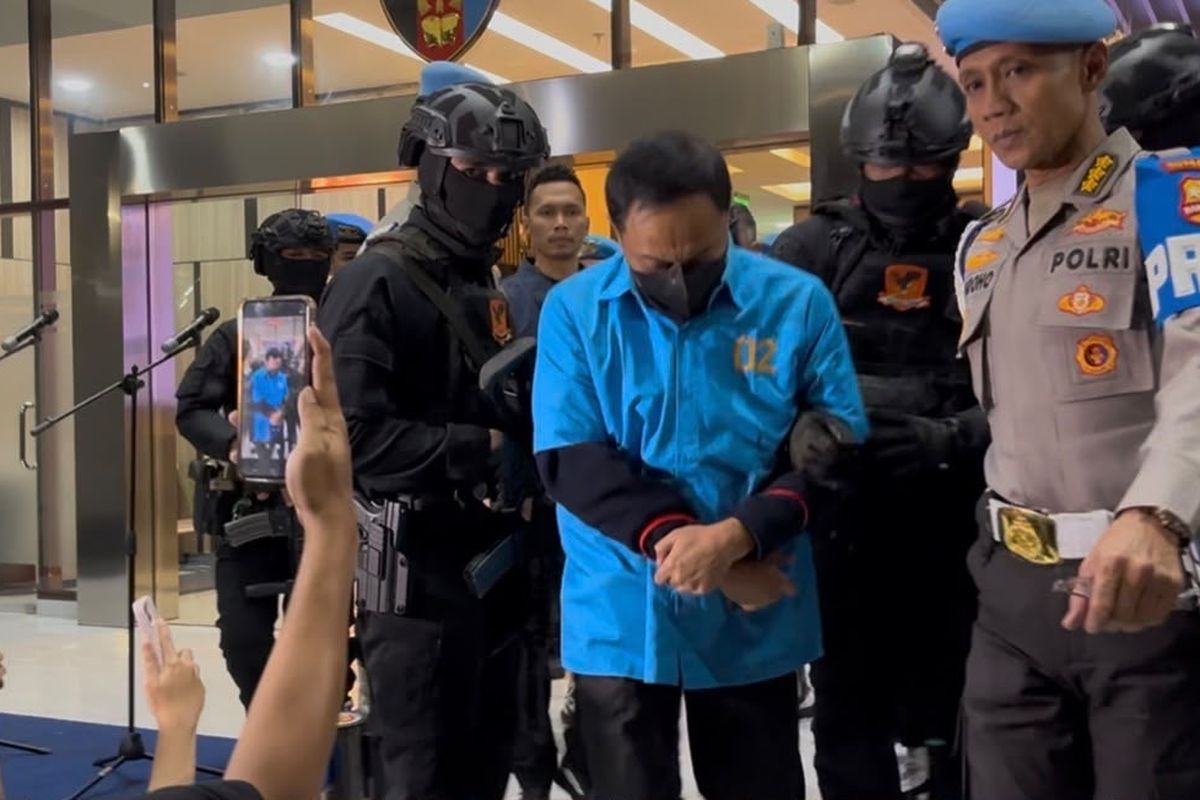
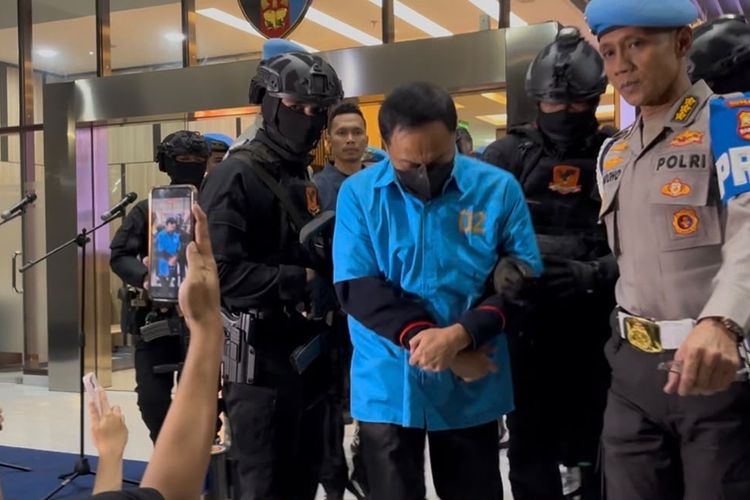
This case showcases both faces. According to statements from National Police Chief General Pol Suyudi Ario Seto in the DPR, orders for wiretapping allegedly came from Listyo Sigit Prabowo through Slamet Uliandi to Eko Hadi and Ahrie Sonta, with results reported back hierarchically (Kompas.id, 13/11/2026).
There is a command chain, there are operators, there are reports. The one thing missing is the legal basis, as the wiretapping was conducted without adhering to Perkap Number 5 of 2010.
The targets were not criminals, but rather the President, several ministers, political figures, and the media (Kompas.com, 5/11/2026).
This is where the public has the right to know. The tools used were purchased with tax money, the operators are paid by the state, and their authority is borrowed from the law.
When all these state facilities operate within the state but not for the state, the issue ceases to be simply an internal police matter. It becomes a matter for the republic.
Guillermo O’Donnell referred to the mechanism that should prevent such occurrences as horizontal accountability, which is the ability of state institutions to oversee one another.
The alleged wiretapping that purportedly took place from 2025 to 2026 without detection indicates that this mechanism is paralyzed.
It is no surprise that Mahfud MD referred to it in the podcast Terus Terang as potentially the largest crime in the history of the police, then asked, “What is the purpose of wiretapping the president if not to incite a coup?”
This rhetorical question represents the anxiety of many, although legally the police chief reminded that wiretapping does not automatically equate to conspiracy.
The tension between public anxiety and investigator caution creates a vacuum.
There is no suspect yet for the conspiracy charge, even though a notice of the start of the investigation has been sent to the prosecutor's office.
Government officials have occasionally spoken differently. Such vacuums are quickly filled with rumors, and rumors move much faster than press conferences.
The first possibility is that the case halts at the criminal charges of wiretapping, illegal access, and electronic data deletion, along with ethical sanctions for the generals involved.
Four suspects are tried, with Listyo positioned as both the orderer and end user, and the case is declared closed.
This scenario is the easiest to prove procedurally. However, as ISESS observer Bambang Rukminto reminded, it defies public logic that such a significant case would only involve four individuals.