
Cipete Command Post and a State Within a State
-
News
-
3 minutes ago
This article was translated by AI. Read the original article on Kompas.com. See Original
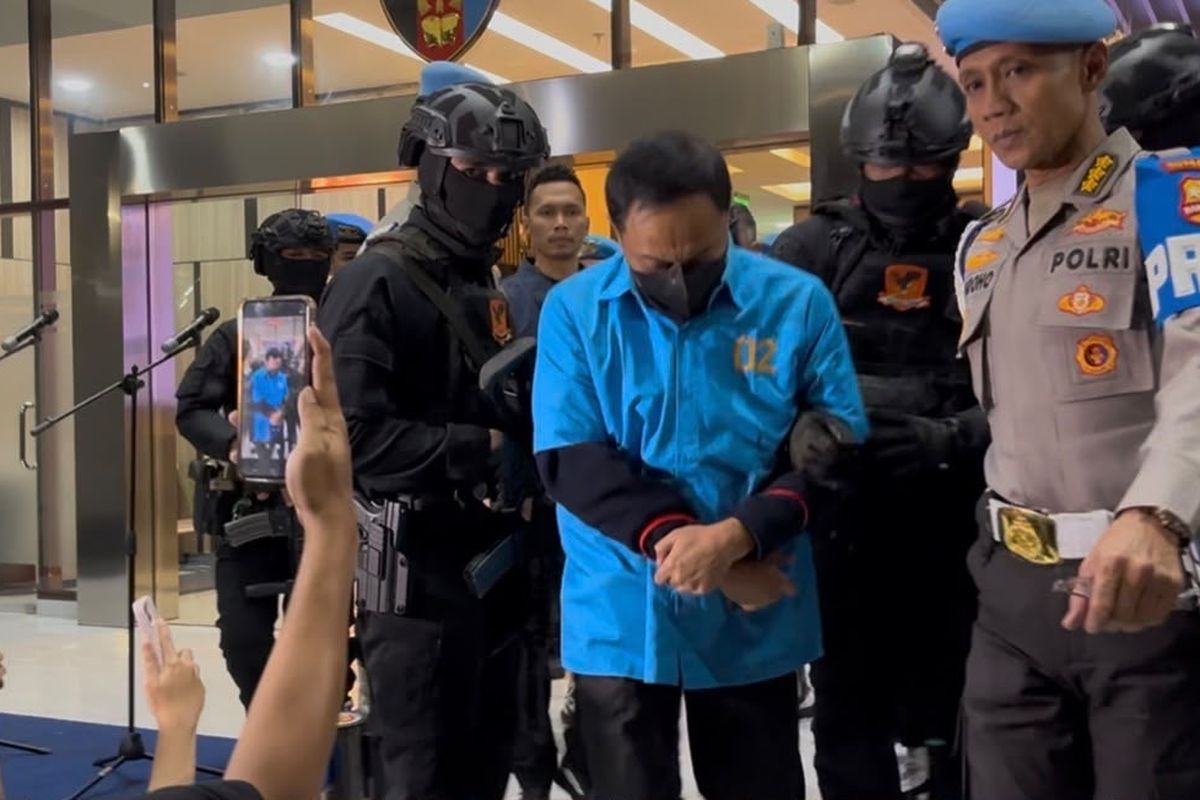
TUESDAY night, November 17, 2026, a house on Jalan Saidi II, Cipete Utara, South Jakarta suddenly transformed into a crime scene.
Investigators from the Criminal Investigation Department (Bareskrim) of the Indonesian National Police arrived, searched the premises, and conducted a crime scene investigation.
A house that appeared to neighbors as an ordinary residence was reportedly used by Inspector General Eko Hadi Santoso as a command post, according to investigators.
The police also stated that there were several other command posts being examined as part of the evidence collection for an alleged coup d'état.
The public was taken aback, and such surprise is understandable. For the previous two weeks, this case had been discussed as a wiretapping scandal, an act typically envisioned occurring in server rooms and on computer screens.
The term “command post” changes that imagery. It suggests people gathering, meetings being held, duties being assigned, and plans being formulated.
If the investigator's suspicions are proven true, we are not dealing merely with the missteps of an officer but rather an organized and deliberate operation.
What was actually being done at that house has not been officially disclosed. Bareskrim has not detailed the evidence confiscated.
Preliminary suspicions circulating claim that the house was used as a base for illegal wiretapping of President Prabowo Subianto’s phone number and several other targets.
This suspicion aligns with the decision from the police ethics council stating that Eko Hadi conspired to conduct wiretapping using police technology and sanctioned his dismissal without honor, a decision currently under appeal.
Additionally, there are wilder rumors circulating, including one about state wiretapping equipment valued at around IDR 1 trillion being transferred to various generals' residences, as well as allegations of financial flows from online gambling, drugs, and illegal mining.
This last rumor has not been confirmed by the police and should be treated as speculation.
Ernst Fraenkel in The Dual State (1941) distinguished two faces of a state that can coexist.
There is the normative state that operates according to the law, procedures, and clear authorities. There is also the prerogative state that operates according to the will of a handful of power holders, using state apparatus but bypassing its rules.
The frightening aspect of the prerogative state is not the absence of bureaucracy, but rather the presence of well-structured bureaucracy that is directed toward purposes that have never been sanctioned.