
Cipete Command Post and a State Within a State
-
News
-
26 minutes ago
This article was translated by AI. Read the original article on Kompas.com. See Original
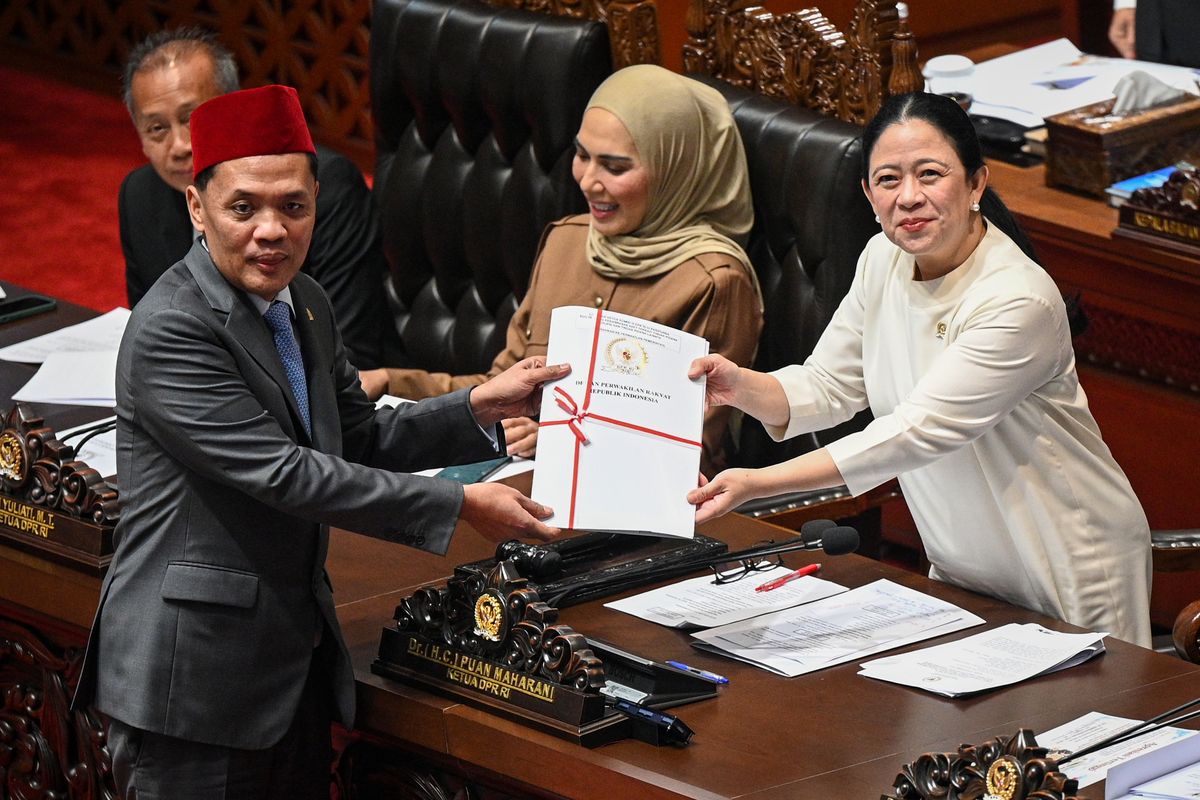
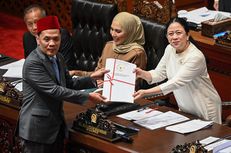
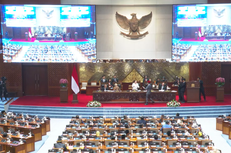
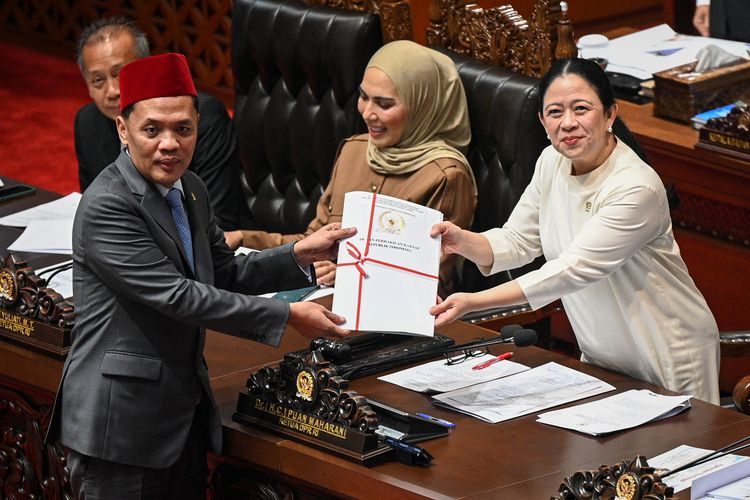
JAKARTA, KOMPAS.com - The Indonesian House of Representatives has officially passed the Bill on Asset Forfeiture Related to Corruption and Other Offenses into law.
However, various parties believe that the law still has significant shortcomings.
Indonesia Corruption Watch (ICW) argues that the law does not address the issue of illicit enrichment.
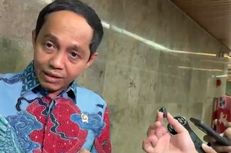
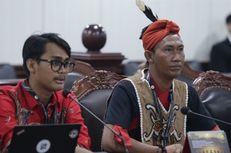
"What should actually be included in the drafting of the asset forfeiture law is related to illicit enrichment, which refers to the unjust increase of wealth, currently a significant issue concerning our economic inequality," said Ibrahim, Head of the Law and Investigation Division at ICW, during a visit to the Senayan Parliamentary Complex in Jakarta on Thursday (19/11/2026).
He stated that under the current provisions, corrupt individuals whose wealth continues to grow may not necessarily be prosecuted under this law.
He added that the House ignored the Corruption Eradication Commission's (KPK) request to establish illicit enrichment norms as part of this law.
ICW also pointed out that the House of Representatives did not include this provision, citing conflicts with Human Rights (HAM).
According to him, this cannot be used as a valid reason.
ICW suspects that many House members cannot account for their wealth in the LHKPN (State Officials Wealth Report).
"And that is not a violation of human rights. Why doesn't the House dare to regulate illicit enrichment? Because many members of the House and the government have seen their wealth rise unjustly, and they cannot account for it. Their LHKPN reports are inaccurate, and they own companies not listed in the LHKPN," emphasized Azhim, a staff member of ICW's Law and Investigation Division.
In addition to illicit enrichment, the second point ICW highlighted is the potential inability to recover state losses stemming from corruption cases that occurred before the law took effect.
He noted that past corruption cases, already published and with documented financial losses to the state, will not be addressed by this law.
Moreover, a crucial issue raised by ICW involves the asset management agency whose regulations have been shifted to the Presidential Regulation level and will be directly under presidential control.
Ibrahim stressed that these three issues should have been discussed openly with the public before regulations were passed.
Based on these three observations, ICW believes that the substance of the rules currently enacted differs significantly from the original spirit behind the asset forfeiture drafting.
"Therefore, we assert that the asset forfeiture law today is a counterfeit of what was initially discussed as the draft in 2023," Ibrahim stated emphatically.