

Cipete Command Post and a State Within a State
-
News
-
2 minutes ago
This article was translated by AI. Read the original article on Kompas.com. See Original
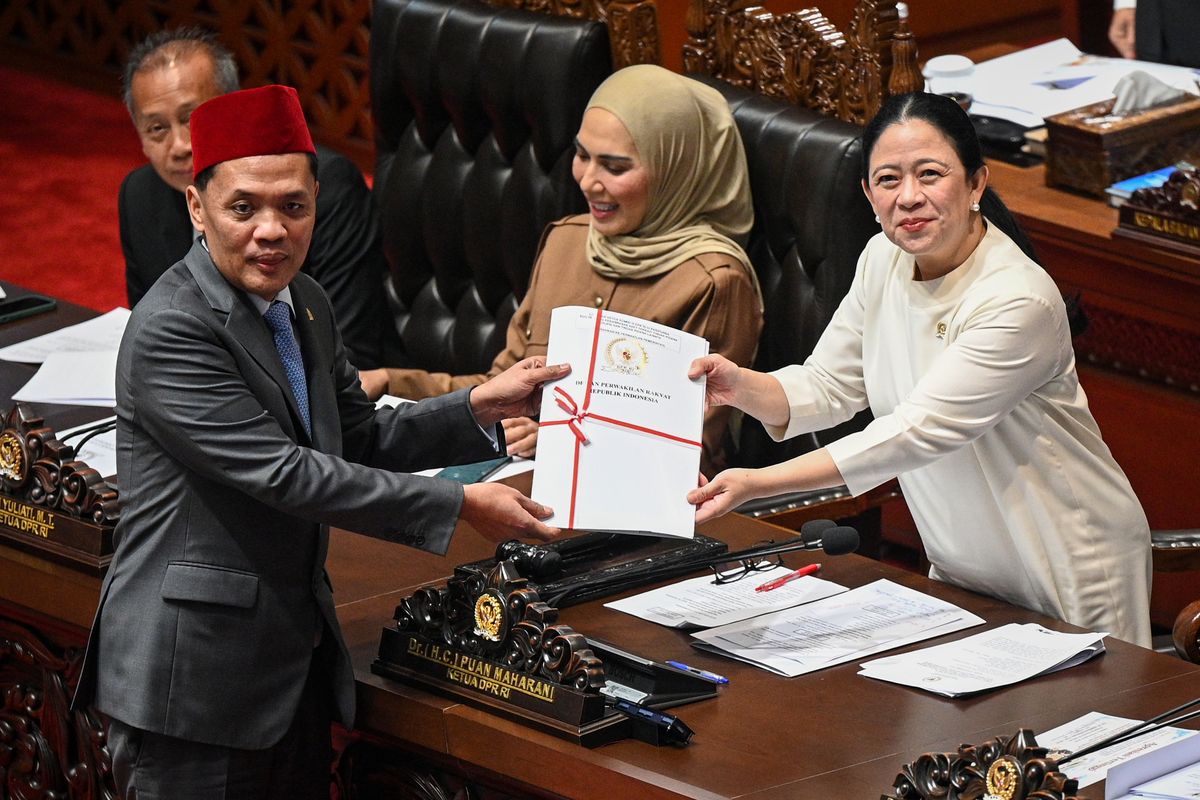
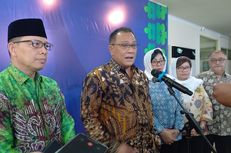
ICW has officially reported House Speaker Puan Maharani and the Chairman of Commission III, Habiburokhman, to the Council of Ethics (MKD) of the House.
"Today, we, representing the coalition, are filing a complaint with the Council of Ethics regarding alleged ethical violations committed by the House Speaker and the Chairman of Commission III concerning the undisclosed draft of the Asset Forfeiture Bill," Ibrahim stated.
According to Ibrahim, the parliament did not apply the principle of meaningful participation during the drafting process of the Asset Forfeiture Bill.
Public access to the draft legislation was closed even until the approval process was completed.
"As of today, when the law was passed, we still have not received access to the document on the House's websites," he said.
On the other hand, ICW dismissed claims from the leadership of the House and Commission III, who asserted that the regulatory discussion was conducted transparently.
Ibrahim stated that civil society organizations like ICW were not involved at all in the discussions regarding the formulation of the regulations.
"To this moment, with our complaint filed to the MKD, ICW has never been invited to participate in the formulation of this law," he asserted.
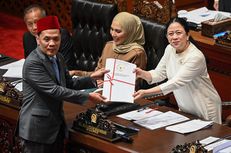
Ibrahim confirmed that the report's documents from ICW have been officially received by the MKD secretariat.
This ethical reporting step follows a prior warning letter sent on November 16.
"We hope that the asset forfeiture advocacy coalition wishes for the MKD to follow up on our report and impose sanctions regarding the alleged lack of disclosure of the asset forfeiture bill's drafting," he expressed.
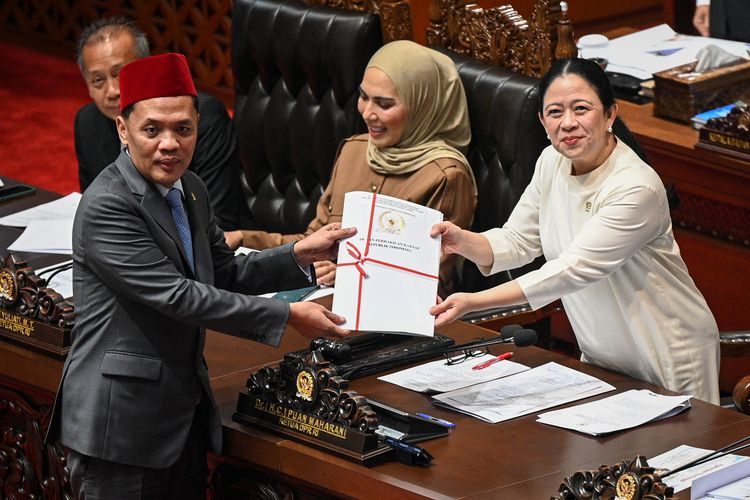
House Speaker Puan Maharani assured that the decision to pass the Asset Forfeiture Bill related to corruption and other offenses was not pressured by any party.
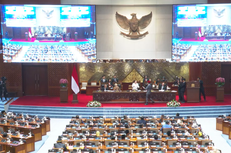
"Today we are passing this law not due to pressure or coercion, but because it has been done as thoroughly as possible," Puan stated during the 13th Plenary Meeting of the 2026-2027 Session on Thursday (19/11/2026).
Puan stated that the parliament prioritized the principle of meaningful participation during the drafting of this regulation.
Throughout the process, the House has recorded holding a total of 87 public hearings (RDP) and General Public Hearings (RDPU).
"It has also been explained that meaningful participation was prioritized, with 87 RDP and RDPU activities, along with 15 working visits to 15 provinces to obtain inputs from all community elements," she explained.
Additionally, members of parliament also directly visited 46 electoral districts to gather grassroots feedback regarding this asset forfeiture policy.
In-depth studies were also conducted to ensure the substance of this Bill aligns without conflicting with existing laws, such as the Criminal Procedure Code and the Criminal Code.
"So, hopefully, this law will be beneficial and useful for our nation and state, particularly serving its initial objective of eliminating any connections or ulterior motives from what we all or society desires," she concluded.